enfield abudhabi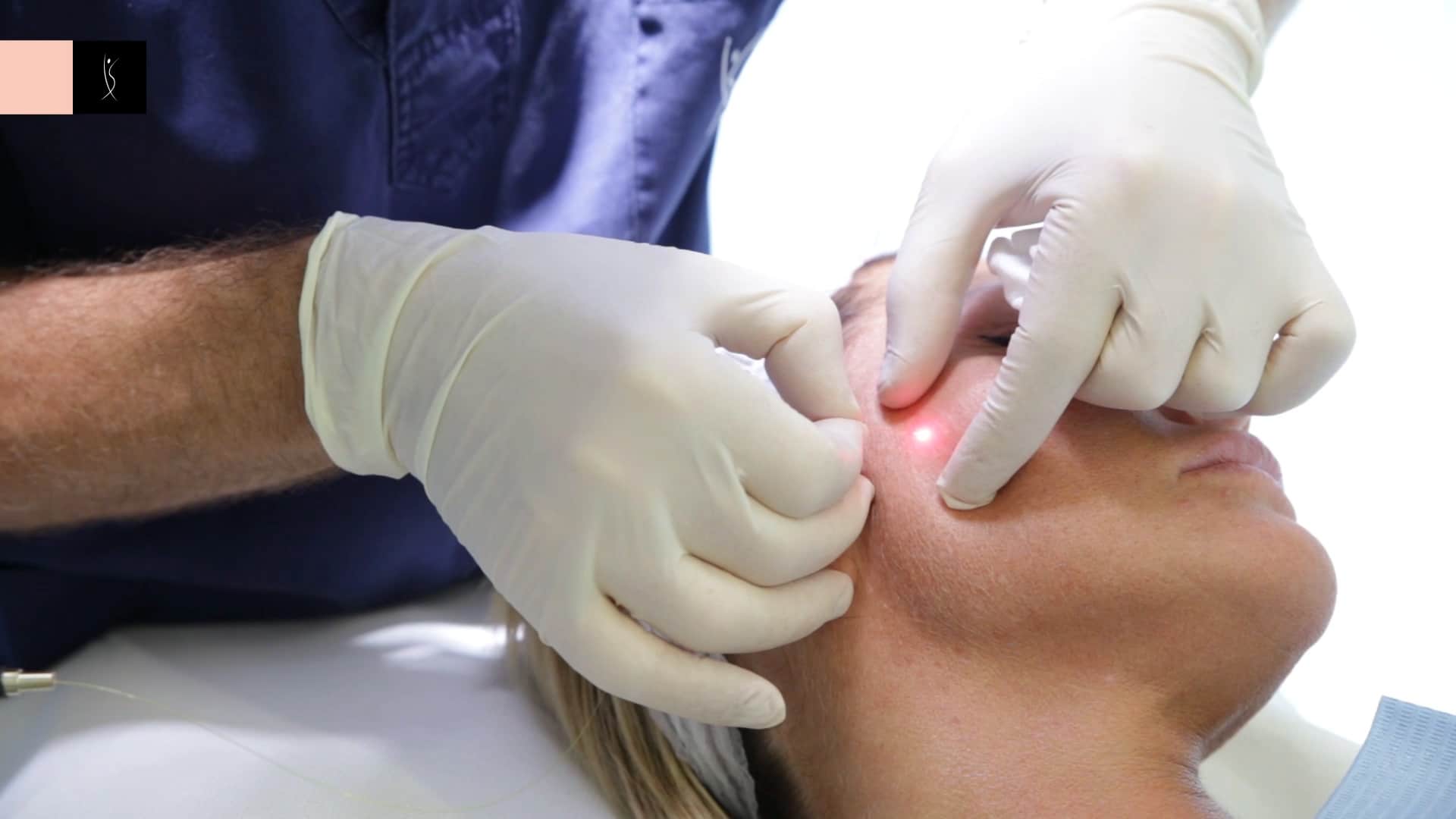
The quest for a youthful, contoured appearance has led to significant advancements in aesthetic technology, bridging the gap between topical treatments and invasive surgeries. Many individuals seeking to address sagging skin and loss of definition now find themselves at a crossroads between time-tested surgical methods and modern, minimally invasive alternatives.
Exploring EndoLift in Abu Dhabi has become a primary focus for those looking to achieve structural skin tightening without the extensive commitments typically associated with traditional cosmetic surgery. This innovative approach utilizes advanced laser technology to target the subdermal layers of the skin, offering a unique middle ground for facial rejuvenation.
-
Aesthetic Evolution: Facial rejuvenation has moved from high-impact surgeries toward precision-based laser treatments.
-
Technological Shift: The focus is now on internal tissue remodeling rather than just external skin stretching.
-
Defining the Goal: Understanding whether a non-surgical approach outperforms a traditional lift depends on individual skin quality and aesthetic objectives.
Understanding the EndoLift Mechanism
At its core, this procedure is a laser-based treatment that works from the inside out. Unlike external lasers that treat the surface of the skin, this method involves the use of microscopic, hair-thin fiber optics. these fibers are gently inserted into the superficial hypodermis, the layer just beneath the skin where structural support and fat deposits reside.
The Role of Fiber Optics
The use of ultra-thin fibers allows for a high degree of precision. These fibers transmit laser energy directly to the connective tissue, creating a thermal effect that triggers two primary responses: immediate tissue contraction and long-term collagen synthesis. Because the fibers are so thin, the entry points are nearly invisible, requiring no traditional sutures.
Laser-Tissue Interaction
The specific wavelength used in this procedure is designed to be absorbed by water and fat. This allows the energy to selectively target areas of laxity and small pockets of localized fat, such as those found in the jowls or under the chin. The heat causes the skin to “shrink-wrap” around the facial structure, providing a more defined silhouette.
-
Internal Access: Micro-fibers bypass the surface to treat the deep dermal layers directly.
-
Selective Heating: Controlled energy targets fat and connective tissue without affecting surrounding areas.
-
Double Action: The process simultaneously tightens existing fibers and encourages the growth of new ones.
Comparing the Procedure to a Traditional Facelift
When evaluating if one method is “better” than the other, it is essential to compare the physical requirements of the two approaches. A traditional facelift is a major surgical event that involves repositioning deep facial tissues and removing excess skin. In contrast, the laser-based alternative focuses on tightening the skin and remodeling the underlying layers without removal.
Invasive vs. Minimally Invasive
The primary difference lies in the nature of the access. Surgery requires significant incisions, usually hidden around the hairline and ears, to allow the practitioner to lift the skin. The laser method requires only tiny entry points for the fibers. This fundamental difference dictates the entire experience, from the type of anesthesia used to the immediate post-treatment period.
Structural Changes vs. Tissue Remodeling
A traditional lift is unparalleled in its ability to address severe skin sagging and deep tissue displacement. It physically moves the anatomy back to a more youthful position. The laser approach, however, relies on the body’s natural regenerative capacity. It strengthens the skin’s architecture, making it thicker and more elastic, which creates a natural-looking lift that develops over time.
-
Access Methods: Surgery uses incisions for tissue repositioning; the laser uses micro-fibers for remodeling.
-
Tissue Management: Traditional methods remove excess skin; modern laser methods tighten existing skin.
-
Regenerative Focus: The non-surgical option relies on biological collagen production for its final results.
The Benefits of a Non-Surgical Approach
For many, the appeal of a non-surgical option lies in the preservation of natural facial expressions and the avoidance of a “pulled” look. Because the laser stimulates the body’s own collagen, the results tend to be subtle and progressive, appearing as if the individual has simply aged in reverse or is exceptionally well-rested.
Reduced Physical Impact
One of the most significant advantages is the lack of a need for general anesthesia. Most individuals remain comfortable using only localized numbing, which reduces the physiological stress on the body. This makes the procedure accessible to a wider range of people who may not be suitable candidates for major surgery due to various factors.
Versatility in Treatment Areas
While traditional lifts are often focused on the mid-to-lower face, laser-based tightening can be applied with high precision to smaller, more delicate areas. This includes the jawline, the “double chin” area, and even under the eyes, where surgical intervention might be too aggressive for mild to moderate concerns.
-
Natural Aesthetics: Results are driven by the body’s own healing response rather than mechanical stretching.
-
Broad Accessibility: Suitable for those who prefer to avoid general anesthesia or intensive procedures.
-
Precision Contouring: Effective for localized areas like the jawline and neck definition.
Recovery and Longevity Expectations
The “better” option is often defined by how quickly a person can return to their daily life. Traditional surgery usually involves a significant period of rest and limited activity while the incisions heal. The laser-based alternative is often referred to as a “lunchtime” or “weekend” procedure because of its minimal impact on daily routines.
The Healing Timeline
Following a laser-tightening session, most people experience only minor sensations in the treated area. Unlike surgery, there are no bandages or drains to manage. The skin might appear slightly different for a few days, but this typically does not prevent a return to work or social activities within a very short window.
Durability of Results
While a surgical lift can last a decade or more, it does not stop the aging process. A laser-based treatment provides results that typically last between one to three years. Many see this as an advantage, as it allows for “maintenance” treatments that evolve alongside the natural changes of the face, rather than one permanent, static change.
-
Rapid Return: Most individuals resume normal activities within 24 to 48 hours.
-
No Intensive Aftercare: Absence of sutures and major bandages simplifies the post-treatment phase.
-
Maintenance Model: Results can be refreshed periodically to manage the ongoing signs of aging.
Suitability: Who Should Choose Which?
The decision between these two paths often comes down to the degree of skin laxity. There is no “one size fits all” answer, but rather a spectrum of suitability based on age and the current state of the skin.
Ideal Candidates for Laser Tightening
This method is exceptionally effective for those in the 30-to-50 age bracket who are noticing the first signs of jowls, a softening jawline, or mild skin looseness. It serves as a preventative and corrective measure that can delay the need for surgery for many years.
When Surgery Remains the Gold Standard
For individuals with significant skin “draping” or very deep structural folds, surgery remains the most effective way to achieve a dramatic transformation. The laser can tighten skin, but it cannot remove large amounts of redundant tissue. Therefore, those with advanced signs of aging may find that the surgical route provides the most satisfying outcome.
-
Early Intervention: Laser treatments are ideal for mild to moderate sagging and contouring.
-
Preventative Care: Helps maintain skin density to slow down future visible aging.
-
Advanced Laxity: Traditional surgery is reserved for cases where tissue removal is a necessity.
FAQ
How long does the procedure typically take?
A session generally lasts between 45 and 90 minutes, depending on the number of areas being addressed. Because it is performed with localized numbing, the preparation time is minimal compared to surgical alternatives.
When will I start to see the final results?
Some immediate tightening is often visible due to the contraction of collagen fibers. However, the most significant improvements emerge between three to six months as the body produces new collagen and the skin undergoes its remodeling process.
Can this treatment be combined with other procedures?
Yes, it is highly versatile and can be used alongside other non-invasive treatments like dermal fillers or skin boosters. Combining treatments can address both skin laxity and volume loss for a more comprehensive rejuvenation.
Is the treatment suitable for all skin types?
Because the laser energy is delivered beneath the surface, it is generally considered safe for a variety of skin tones and types. It does not carry the same risks of surface pigment changes that some external lasers might pose for darker skin.

 candus misheel
 sobiyya Kazmi