enfield abudhabi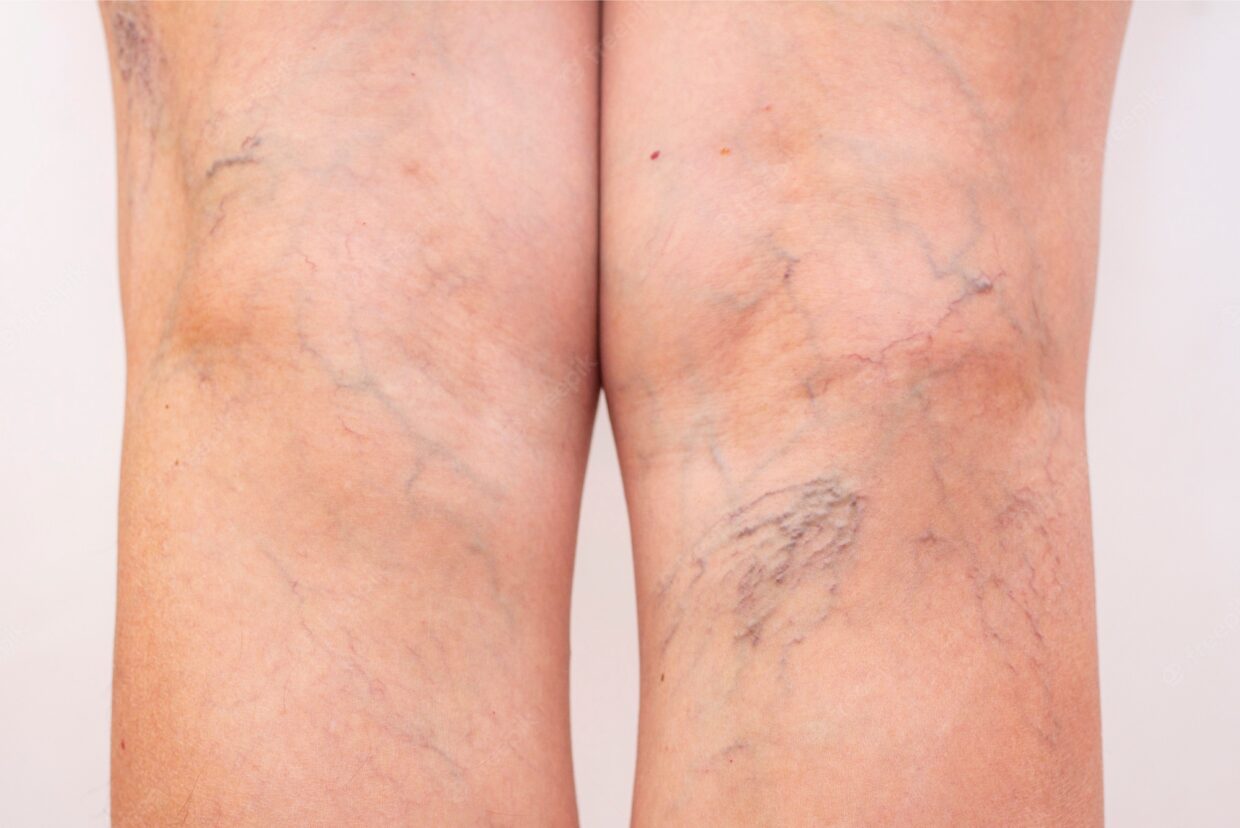
When considering aesthetic or medical enhancements for vascular concerns, patients often ask whether specific procedures are universally applicable. Among the various questions regarding Sclerotherapy Abu Dhabi options, understanding the role of skin type is a significant aspect of patient education. Sclerotherapy is a widely utilized procedure designed to address the appearance of spider veins and smaller varicose veins by encouraging the vessel to collapse and fade over time. Because skin tone and texture can vary greatly across different populations, it is helpful to explore how this treatment interacts with various biological profiles.
-
Introduces sclerotherapy as a popular vascular treatment.
-
Highlights the importance of considering skin type in aesthetic procedures.
-
Sets the context for understanding how the treatment functions across diverse profiles.
The Science of Sclerotherapy: How It Functions
Sclerotherapy operates on a relatively straightforward physiological principle: the introduction of a specialized solution directly into the targeted vein. This solution irritates the interior lining of the vessel, causing the walls to swell and eventually seal shut. Once the vessel is closed, blood is naturally diverted to healthier, deeper veins. Over the course of several weeks, the body gradually absorbs the treated vein, leading to its disappearance or significant fading. This process relies on the body’s natural healing response to internal irritation.
-
Explains the mechanism of action involving vein irritation and collapse.
-
Describes the role of blood flow redirection to healthier veins.
-
Details the natural reabsorption process by the body.
Skin Diversity and Aesthetic Outcomes
In the context of suitability, “skin type” often refers to the Fitzpatrick scale, which categorizes skin based on melanin content and reactivity to sunlight. While sclerotherapy is a chemical-based injection rather than a light-based therapy (like laser treatments), pigment-related considerations remain relevant. Research indicates that the procedure is generally viable across all skin tones. However, individual biological responses—such as how the skin heals—can vary. Understanding these nuances helps in setting realistic expectations regarding the appearance of the skin during the post-treatment healing phase.
-
Discusses the Fitzpatrick scale in the context of vascular treatments.
-
Clarifies that sclerotherapy is a chemical rather than light-based process.
-
Emphasizes the importance of individual biological healing responses.
Physiological Factors Beyond Skin Color
When determining if this approach is appropriate for a patient, specialists focus on factors that extend well beyond the surface layer of the skin. The diameter of the veins, their location, and the underlying cause of the venous insufficiency are far more critical to the success of the treatment than the skin tone itself. For instance, the elasticity of the vein walls and the overall health of the circulatory system in the legs or other areas play a significant role. A thorough consultation is always the primary step in evaluating whether a patient’s specific venous structure will respond favorably to the technique.
-
Identifies vein diameter and location as key technical considerations.
-
Explains the role of venous insufficiency in determining treatment success.
-
Stresses the necessity of a comprehensive professional assessment.
Enhancing the Healing Process
Post-treatment care is a universal requirement regardless of an individual’s skin characteristics. After the injections, the treated area benefits from compression, which helps keep the vein walls in contact while they heal. Gentle movement, such as walking, is also encouraged to support healthy circulation and prevent blood from pooling. These simple lifestyle adjustments are standard for everyone and ensure that the body’s natural recovery process is optimized, leading to smoother results and improved skin appearance in the treated region.
-
-
Highlights the role of compression in post-procedure healing.
-
Emphasizes the importance of movement for circulatory health.
-
Explains that standard aftercare promotes optimal results for all patients.
-
The Importance of Realistic Expectations
As with any form of improvement, patience is a central component of the experience. The treated veins do not vanish instantly; rather, they go through a gradual transition as the body processes the closed vessels. Some individuals may observe that the treated area appears to change in color or texture slightly before achieving the final result. Because everyone’s immune system and healing speed differ, the timeline for seeing the full benefits can vary. Maintaining a clear understanding of this timeline is key to a positive and stress-free experience.
-
Addresses the gradual nature of the fading process.
-
Notes that temporary skin changes are a normal part of the healing cycle.
-
Reiterates that individual healing timelines differ for every person.
Modern Advances in Vascular Care
The medical field continues to innovate, providing more refined solutions for vascular concerns. Today’s techniques are more precise than ever, allowing practitioners to target vessels with greater accuracy while minimizing the impact on surrounding tissue. As we look toward the future, the integration of better imaging tools and improved chemical agents continues to broaden the accessibility of these treatments. This progress ensures that more people can access care that is tailored to their specific needs, regardless of their background.
-
Highlights ongoing technological and chemical advancements in the field.
-
Discusses the increased precision of modern injection techniques.
-
Reflects on the growing accessibility and personalization of vascular treatments.
Frequently Asked Questions
1. Is sclerotherapy considered a permanent solution for spider veins?
Sclerotherapy effectively causes the treated vein to collapse and be reabsorbed by the body, effectively removing it. While this is a long-term solution for the specific veins treated, it does not prevent the development of new veins in the future, as factors like genetics and lifestyle can still influence vein health.
2. How many sessions are typically required?
The number of sessions depends on the number, size, and location of the veins being addressed. During a consultation, a practitioner assesses the area and provides an estimated timeline, as some patients may see their desired results in one session, while others may benefit from a series of treatments spaced several weeks apart.
3. Will the procedure leave any lasting marks on my skin?
Most patients experience a smooth recovery, though temporary changes like minor bruising or slight skin discoloration at the injection site can occur. These usually fade naturally over a few weeks or months as the body continues the healing process.
4. Can this treatment be performed on areas other than the legs?
Yes, while it is most commonly performed on the legs to treat spider veins and varicose veins, it can be applied to other areas of the body if the vascular concerns are deemed suitable for the procedure. A professional assessment is required to determine the best approach for specific anatomical sites.


 Jeena Sikho HiiMS
 High Luxury Spa