Jeena Sikho HiiMS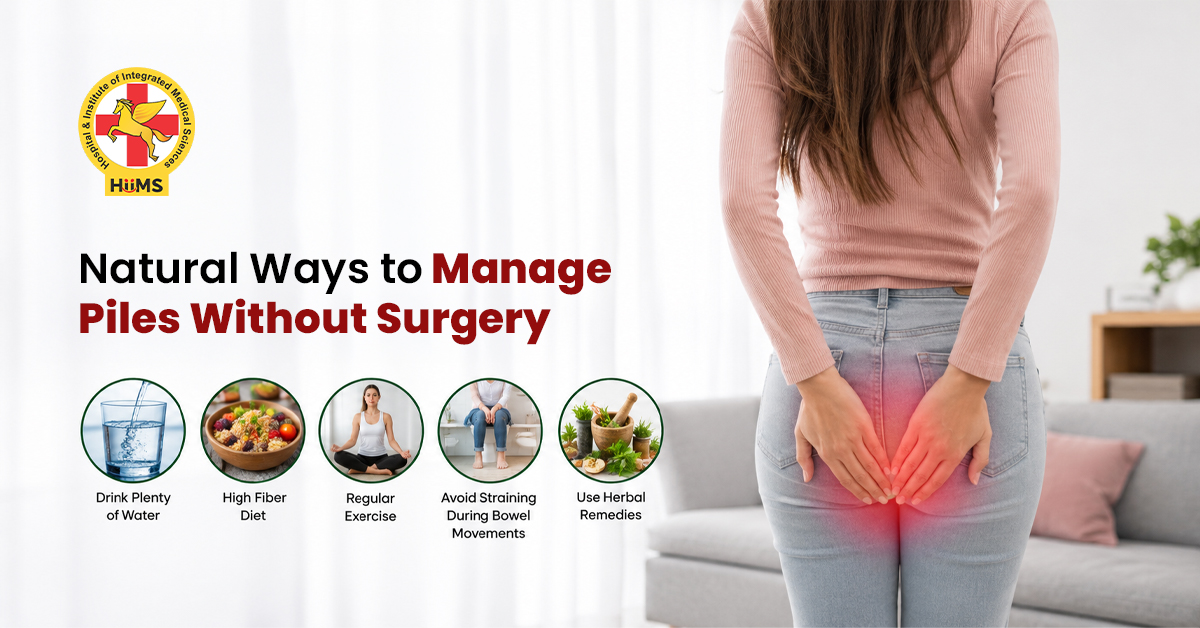
Piles, also known as hemorrhoids, are a common condition that affects people of all ages. They develop when the veins around the rectum or anus become swollen and inflamed. While piles are rarely dangerous, they can cause discomfort, itching, pain, and bleeding during bowel movements. Many people assume that surgery is the only solution, but in reality, there are several ways to manage the condition naturally. Piles Treatment Without Surgery focuses on improving digestive health, reducing strain during bowel movements, and supporting the body’s natural healing process.
Understanding Why Piles Develop
Piles often develop due to increased pressure on the veins in the lower rectum. This pressure can result from chronic constipation, prolonged sitting, obesity, pregnancy, or a low-fiber diet. Straining during bowel movements is one of the most common contributing factors.
When digestion is not functioning properly, stools become hard and difficult to pass. Over time, repeated straining can cause veins to swell and lead to piles. Addressing digestive health is therefore an important part of Piles Treatment Without Surgery.
Common Symptoms of Piles
Symptoms may vary from person to person, but common signs include:
Bleeding During Bowel Movements
Bright red blood on toilet paper or in the toilet bowl is one of the most noticeable symptoms.
Itching and Irritation
Many individuals experience itching or irritation around the anal area.
Swelling and Discomfort
Inflamed veins may cause swelling that makes sitting uncomfortable.
Pain During Bowel Movements
Pain can occur when passing stool, especially if constipation is present.
Recognizing these symptoms early can help individuals take steps to manage the condition before it becomes more severe.
Lifestyle Habits That Support Recovery
One of the most effective aspects of Piles Treatment Without Surgery is improving everyday habits.
Increase Fiber Intake
Fiber helps soften stool and promotes regular bowel movements. Foods rich in fiber include fruits, vegetables, whole grains, and legumes.
Stay Hydrated
Drinking enough water supports healthy digestion and helps prevent constipation.
Avoid Prolonged Sitting
Sitting for long periods may increase pressure around the rectal area. Taking short breaks and moving regularly can be helpful.
Exercise Regularly
Physical activity supports digestion and helps maintain a healthy weight.
The Importance of Healthy Digestion
Digestive health is closely connected to pile management. Regular bowel movements reduce strain and allow the affected area to heal. Simple dietary adjustments and healthy habits can improve digestive function and support long-term comfort.
Conclusion
Piles Treatment Without Surgery focuses on addressing the factors that contribute to piles rather than simply managing symptoms. Through healthy eating, hydration, regular movement, and proper digestive care, many individuals can experience significant improvement. Early attention and consistent lifestyle changes can play a valuable role in supporting comfort and overall well-being.Take control of your health with timely guidance. Book an appointment at Jeena Sikho HiiMS and receive a personalized wellness plan.


 High Luxury Spa
 Podiatry Specialist in Lakeway