sundar jodi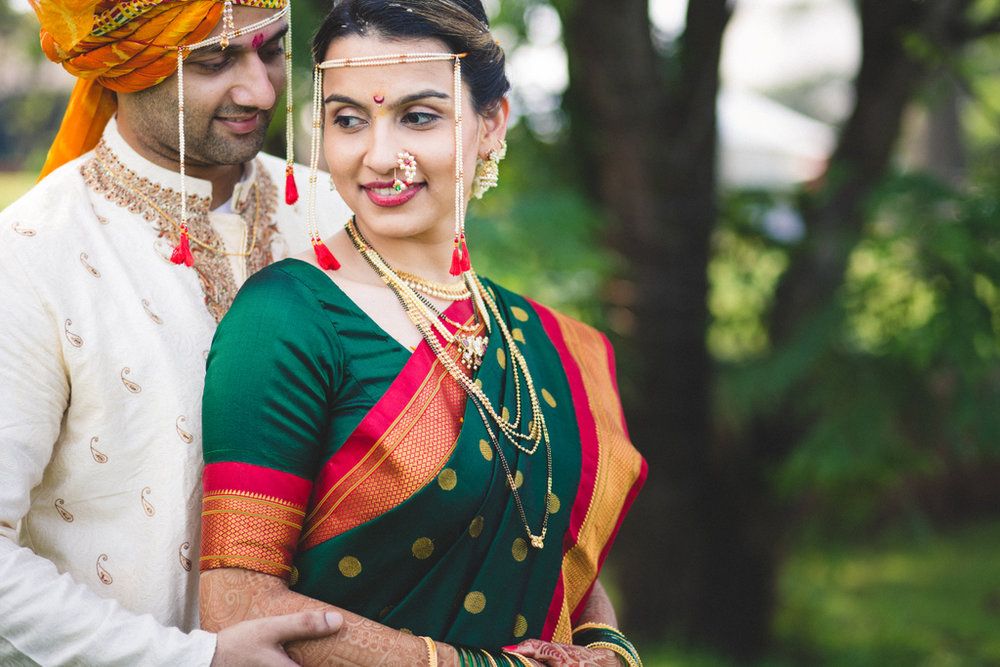
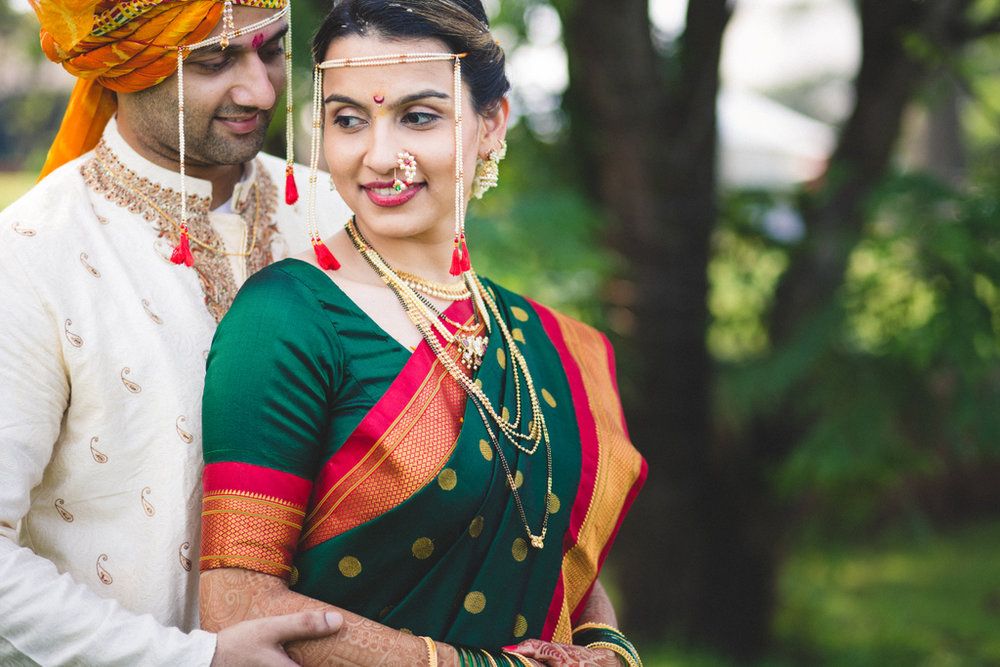
Marathi Brahmin weddings are admired for their purity, cultural depth, and spiritual elegance. Rooted in ancient Vedic traditions, these rituals symbolize the sacred union of two souls and the merging of two families. If you’re preparing for a Marathi Brahmin wedding whether as a bride, groom, or family member understanding the Marathi Brahmin marriage rituals you should know before wedding can make the experience more meaningful and joyous.
This guide walks you through every important ritual, explaining the history behind them and the emotions they represent.
The Cultural Significance of Marathi Brahmin Weddings
Ancient Vedic Roots
Marathi Brahmin weddings are deeply inspired by Vedic teachings. The rituals emphasize spiritual bonding, moral values, respect, and lifelong companionship. Every mantra recited and every gesture performed symbolizes purity and the blessings of divine energies.
Importance of Simplicity & Spirituality
While some Indian weddings are grand and flamboyant, Marathi Brahmin weddings focus on simplicity, devotion, and tradition. What makes them truly beautiful is their emphasis on inner values rather than outward extravagance.
Pre-Wedding Marathi Brahmin Rituals
Sakhar Puda – The Engagement
This is the formal beginning of the marriage journey. The bride’s family offers sugar (sakhar) to the groom and his family, symbolizing sweetness, acceptance, and prosperity.
Kelvan – Ritual of Family Blessings
The kelvan ceremony is performed at the family deity’s temple or at home. Both families hold separate pujas to pray for a blissful marriage. Relatives gather for a meal, blessings, and joyful celebrations.
Halad Chadavane – Turmeric Blessing Ritual
In this lively ceremony, family members apply turmeric paste to both the bride and groom. Turmeric is considered sacred and purifying. It represents protection from evil energies and the enhancement of inner radiance.
Devkarya – Seeking Divine Blessings
Before the wedding, both families pray to their household deities for guidance, strength, and prosperity. This ritual aligns the couple’s future with divine grace.
Wedding Day Rituals in Marathi Brahmin Weddings
Ganpati Puja – Invoking Lord Ganesha
The wedding begins with the worship of Lord Ganesha, the remover of obstacles. This ensures a smooth and auspicious ceremony.
Arrival of the Groom – Baraat & Seemanpuja
The groom arrives with his procession, welcomed warmly by the bride’s family. The bride’s mother performs Seemanpuja, washing the groom’s feet and applying tilak to honor him as the future son-in-law.
Antarpat – The Sacred Divider
A white cloth called antarpat is held between the bride and groom so they cannot see each other. This symbolizes the beginning of their journey as separate individuals until the auspicious mantras unite them.
Sankalp & Mangalashtak
As priests chant the Mangalashtak—traditional wedding verses—the antarpat is lowered. The bride and groom exchange heartfelt glances while guests shower them with akshata (rice grains blessed during puja).
Jaimala – Exchange of Garlands
The bride and groom place floral garlands around each other’s necks, signifying acceptance and mutual respect.
Kanyadaan – Sacred Giving Away of the Bride
In this emotional ritual, the bride’s parents entrust their daughter to the groom’s care. It symbolizes the merging of two families and the beginning of a new chapter.
Vivah Homa – The Sacred Fire Ceremony
A holy fire is lit as a witness to the marriage. The couple offers ghee and grains to the fire while chanting Vedic mantras that bless their union.
Saptapadi – Seven Sacred Steps
This is the heart of the Marathi Brahmin wedding. The couple takes seven steps around the fire, each step symbolizing:
- Nourishment
- Strength
- Prosperity
- Happiness
- Progeny
- Harmony
- Lifelong companionship
After the seventh step, the marriage is considered complete according to Vedic tradition.
Post-Wedding Marathi Brahmin Traditions
Lajahoma – Honoring Family Bonds
This ritual reinforces respect for ancestors and family values. The couple prays for peace, harmony, and mutual respect in their new life.
Grihapravesh – Entering the New Home
The bride enters the groom’s home with her right foot first, symbolizing good fortune. She topples a rice-filled pot slightly to represent abundance entering the household.
Suvasini Poojan – Blessings from Married Women
Married women bless the bride for a long, happy, and prosperous married life. Their blessings create a sense of community, love, and support.
Modern Adaptations in Marathi Brahmin Weddings
Blending Tradition with Minimalist Trends
Many modern couples prefer shorter ceremonies, eco-friendly decorations, and simplified rituals while preserving cultural authenticity.
Role of Photography & Personalization
Today’s weddings include:
- Candid photography
- Personalized vows
- Modern music
- Customized decor
Yet, they beautifully retain the essence and spiritual purity of traditional Marathi Brahmin rituals.
Frequently Asked Questions:
1. What makes Marathi Brahmin weddings unique?
Their simplicity, Vedic rituals, and spiritually rich traditions make them unique.
2. How long does a Marathi Brahmin wedding ceremony last?
Typically 2–3 hours, depending on the pandit and family customs.
3. Is Kundali matching required?
Yes, many Brahmin families follow kundali matching before proceeding.
4. What should guests wear?
Traditional attire like sarees, paithanis, kurta-pajamas, and dhotis are preferred.
5. Are all Marathi Brahmin rituals mandatory?
Families may customize rituals based on tradition and personal preference.
6. Can modern elements be added?
Absolutely! Photography, décor themes, and personalized touches are common today.
Conclusion:
Understanding Marathi Brahmin marriage rituals you should know before wedding enriches the experience for everyone involved. These rituals aren’t just ceremonies they’re blessings, values, and traditions passed down through generations. Whether you’re planning a wedding or attending one, knowing these customs deepens your appreciation for the spiritual and cultural beauty of Marathi Brahmin marriages.


 Aesthetic clinic
 HelloFi Recommerce