AirShip Ribs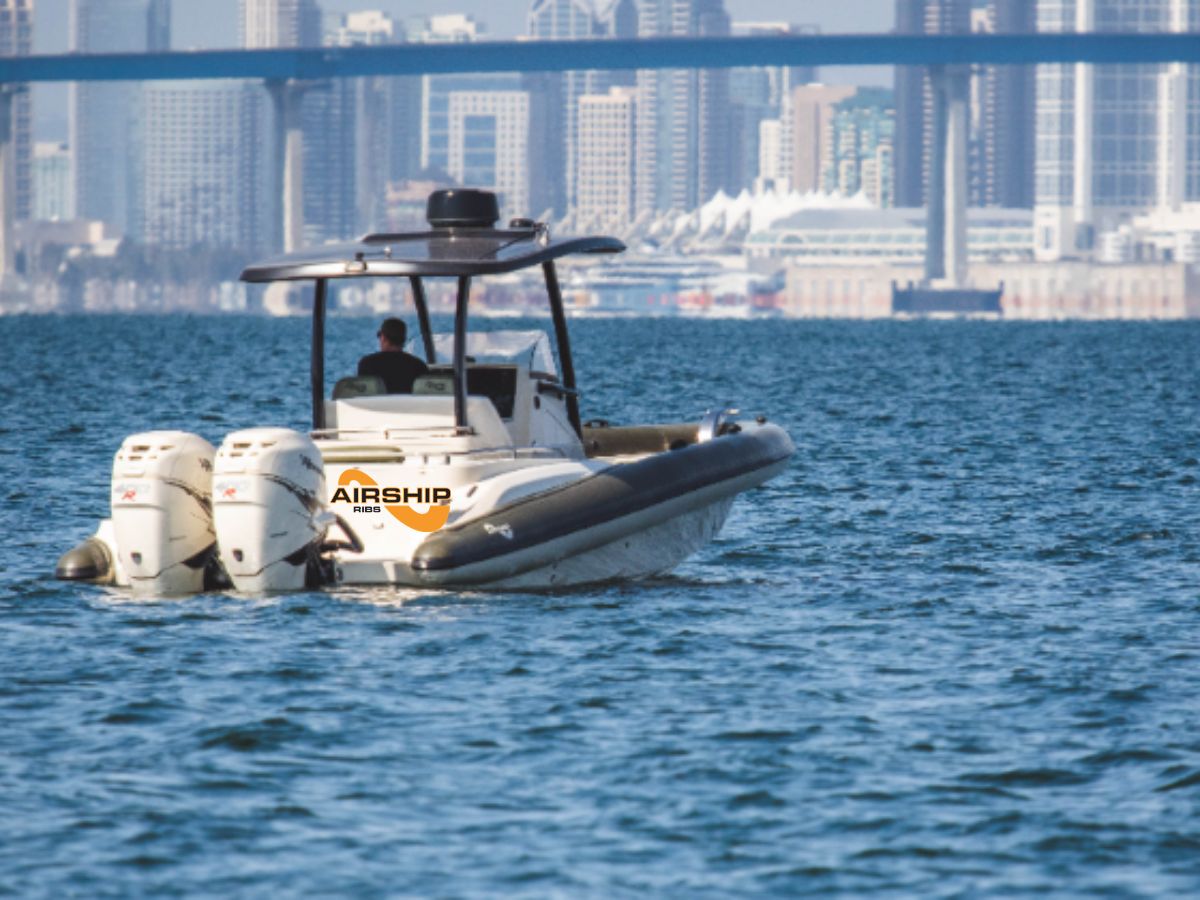
People compare RHIBs and traditional boats all the time, but honestly, the answer isn’t always as clear as it sounds. It really depends on how you use the boat and how much performance actually matters to you.
Some boaters stick with traditional designs because that’s what they know. Others switch to RHIBs and don’t go back. There’s a reason for that.
So, what’s the real difference?
A rigid hull inflatable boat is basically a solid boat with inflatable sides. That one change does more than you’d expect. It makes the boat lighter, more stable, and a lot more forgiving when the water isn’t calm.
Traditional boats are just solid all around. No tubes, no extra cushioning. They’ve been around forever, and for certain uses, they still make sense.
Speed isn’t just about numbers
On paper, a lot of boats can be “fast.” But how they feel is different.
RHIBs usually feel quicker. They get moving faster, and they don’t drag as much in the water. You don’t have to push them as hard, which also means less fuel burn over time. In rough water, they don’t slow down as much either, which is something you really notice after a while.
Traditional boats can still perform well, no doubt. But they feel heavier. When the water gets choppy, you start backing off the throttle—not because you have to, but because it just feels better to.
Safety this is where things change
This part is hard to ignore.
RHIBs feel more stable. The inflatable sides help with balance, and they soften the impact when you hit waves. It’s not something you fully understand until you’ve been in rough water.
They’re also pretty difficult to sink, which is why you see them used in rescue work and patrol operations. That alone says a lot.
Traditional boats are fine in normal conditions. But once things get rough, you feel more of the impact. There’s less margin for error, especially at higher speeds.
What about value?
This depends on how often you’re using the boat.
RHIBs tend to be more efficient. Less fuel, better performance across different conditions, and more flexibility overall. The only downside is the tubes don’t last forever and will need attention at some point.
Traditional boats might be cheaper upfront, and the hull itself is usually very durable. But over time, fuel and operating costs can creep up, especially if you’re using it regularly.
So… which one is better?
If you’re going offshore, dealing with rough water, or just want something that feels more stable and responsive, RHIBs are hard to beat. That’s exactly why brands like airship ribs focus so heavily on performance-focused designs; they’re built for people who actually push their boats, not just cruise on calm days.
If your boating is occasional, calm, and more about simplicity, a traditional boat will still do the job.
Final thought
It’s not really about which boat is “better” overall. It’s about which one fits how you actually use it.
That said, once people spend time on an RHIB especially in rough conditions it’s pretty common for their opinion to change.


 Dipak Straits
 ARG Finance