Jeena Sikho HiiMS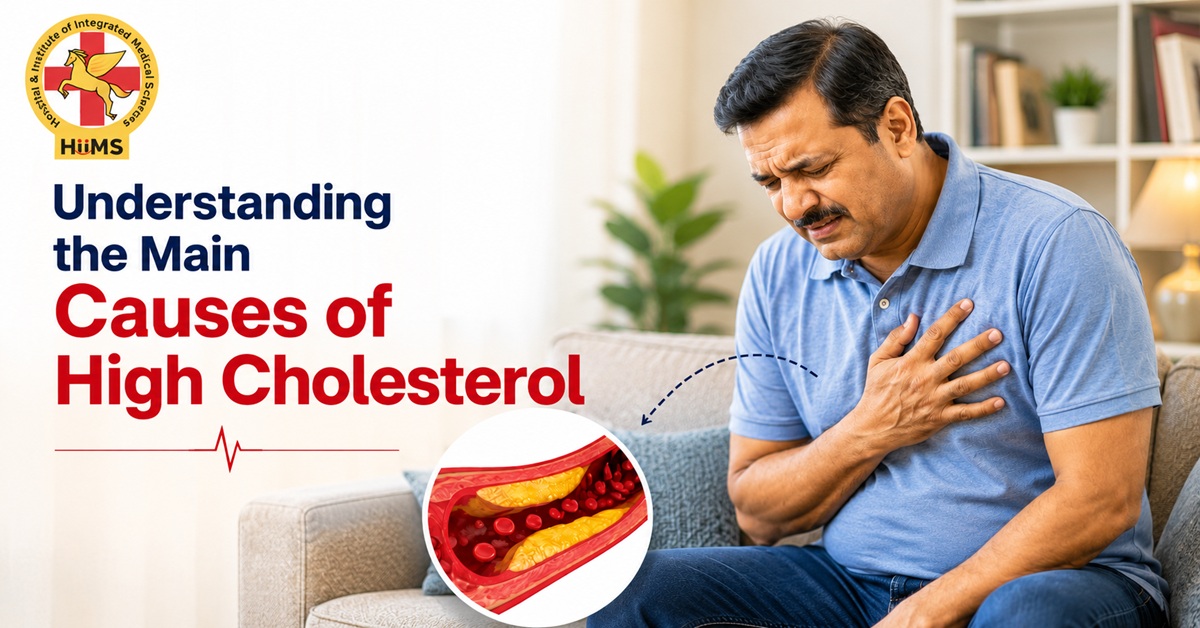
High cholesterol is becoming a common health problem among people of all ages. Many people do not notice any signs in the beginning, which makes it harder to identify early. Over time, unhealthy cholesterol levels may affect heart health and overall well-being. Knowing the causes of high cholesterol can help people make better lifestyle choices and reduce future health risks.
Cholesterol is a fatty substance found in the blood. The body needs a small amount of it to build cells and support different functions. However, when cholesterol levels become too high, it can start building up in the blood vessels. This may slow down blood flow and increase the chances of serious health concerns.
Unhealthy Eating Habits
One of the most common causes of high cholesterol is unhealthy food choices. Eating too much fried food, processed snacks, sugary items, and fast food can increase bad cholesterol levels in the body. Foods rich in unhealthy fats may slowly affect heart health over time.
Many people today prefer packaged meals because they are quick and easy. However, these foods often contain high amounts of salt, sugar, and unhealthy fats. Regular consumption can raise cholesterol levels without people realizing it.
Adding more fresh fruits, vegetables, whole grains, nuts, and homemade meals to the diet may help support better cholesterol balance.
Lack of Physical Activity
Another major cause of high cholesterol is an inactive lifestyle. Sitting for long hours and not exercising regularly may lead to weight gain and poor cholesterol levels. Physical activity helps the body maintain healthy blood circulation and supports heart health.
Modern work routines often involve spending hours in front of screens. Many people also avoid outdoor activities because of busy schedules. Over time, this lack of movement can increase bad cholesterol and lower good cholesterol.
Simple habits like walking, cycling, stretching, or light exercise for at least 30 minutes daily may help improve overall health.
Excess Body Weight
Being overweight is also among the important causes of high cholesterol. Extra body fat can affect the way the body processes fats and sugars. This may increase unhealthy cholesterol levels and put additional pressure on the heart.
Weight gain often happens because of unhealthy eating, poor sleep, stress, and low physical activity. Even small increases in body weight can affect cholesterol levels in some people.
Maintaining a healthy weight through balanced eating and regular movement may support better cholesterol management.
Smoking and Alcohol Consumption
Smoking and frequent alcohol intake are common lifestyle-related causes of high cholesterol. Smoking may damage blood vessels and lower good cholesterol levels. Alcohol, especially in large amounts, can also increase unhealthy fats in the blood.
Many people ignore the long-term effects of these habits. Over time, they may increase the risk of heart-related problems and poor circulation.
Quitting smoking and limiting alcohol intake can support better heart and cholesterol health.
Stress and Poor Sleep
Stress is another hidden factor connected to the causes of high cholesterol. When people remain stressed for long periods, they may develop unhealthy habits such as overeating, smoking, or sleeping less. These habits may indirectly affect cholesterol levels.
Poor sleep may also disturb the body’s natural balance. People who do not get enough rest often feel tired and less active during the day, which may further impact health.
Managing stress through relaxation, meditation, hobbies, or spending time with loved ones may help improve overall wellness.
Family History and Age
Sometimes, the causes of high cholesterol are linked to family history. If close family members have cholesterol problems, there may be a higher chance of developing the same issue. In such cases, cholesterol levels may rise even when a person follows a healthy lifestyle.
Age can also play a role. As people grow older, the body may process fats more slowly. This can increase cholesterol levels naturally over time.
Regular health checkups may help detect cholesterol problems early and allow timely lifestyle changes.
Health Conditions That May Affect Cholesterol
Certain health conditions may also contribute to high cholesterol. Problems related to blood sugar, thyroid function, liver health, or kidney health can sometimes affect cholesterol balance in the body.
People dealing with long-term health concerns should monitor their cholesterol levels regularly. Following medical advice and maintaining healthy daily habits may help lower future risks.
Simple Ways to Prevent High Cholesterol
Understanding the causes of high cholesterol is the first step toward prevention. Small daily improvements can make a big difference over time. Here are some simple ways to support healthy cholesterol levels:
-
Eat fresh and balanced meals
-
Avoid excessive fried and processed foods
-
Stay physically active every day
-
Maintain a healthy body weight
-
Avoid smoking and limit alcohol
-
Sleep well and manage stress
-
Go for regular health checkups
Healthy habits not only support cholesterol balance but also improve overall energy and quality of life.
Natural Wellness Support at Jeena Sikho HiiMS
Managing cholesterol is not only about taking temporary steps but also about building healthier habits for long-term wellness. At Jeena Sikho HiiMS, the focus is on encouraging natural lifestyle improvements through balanced nutrition, healthy routines, stress management, and wellness-focused care. By following a healthier daily routine and making mindful choices, people may support better heart health and overall well-being naturally.
Conclusion
The causes of high cholesterol are often linked to everyday habits such as unhealthy eating, low physical activity, stress, smoking, and weight gain. In some cases, family history and medical conditions may also play a role. Although high cholesterol may not show early signs, it can affect long-term health if ignored.
Making simple lifestyle changes, eating balanced meals, staying active, and following a healthy routine may help support better cholesterol levels naturally. Understanding these risk factors can encourage people to take better care of their heart and overall well-being.
FAQs
1. What are the main causes of high cholesterol?
The main causes of high cholesterol include unhealthy eating habits, lack of exercise, obesity, smoking, stress, poor sleep, and family history.
2. Can stress increase cholesterol levels?
Yes, long-term stress may affect daily habits like eating and sleeping, which can indirectly increase cholesterol levels over time.
3. Does high cholesterol always show symptoms?
No, high cholesterol usually does not show clear symptoms in the beginning. Many people only discover it during health checkups.
4. Can exercise help reduce high cholesterol?
Regular physical activity may help improve good cholesterol levels and support overall heart health.
5. Which foods should be avoided in high cholesterol?
People with high cholesterol should try to avoid excessive fried foods, processed snacks, sugary items, and foods high in unhealthy fats.

 Ahmad hassan
 Dental Clinic789