neer flow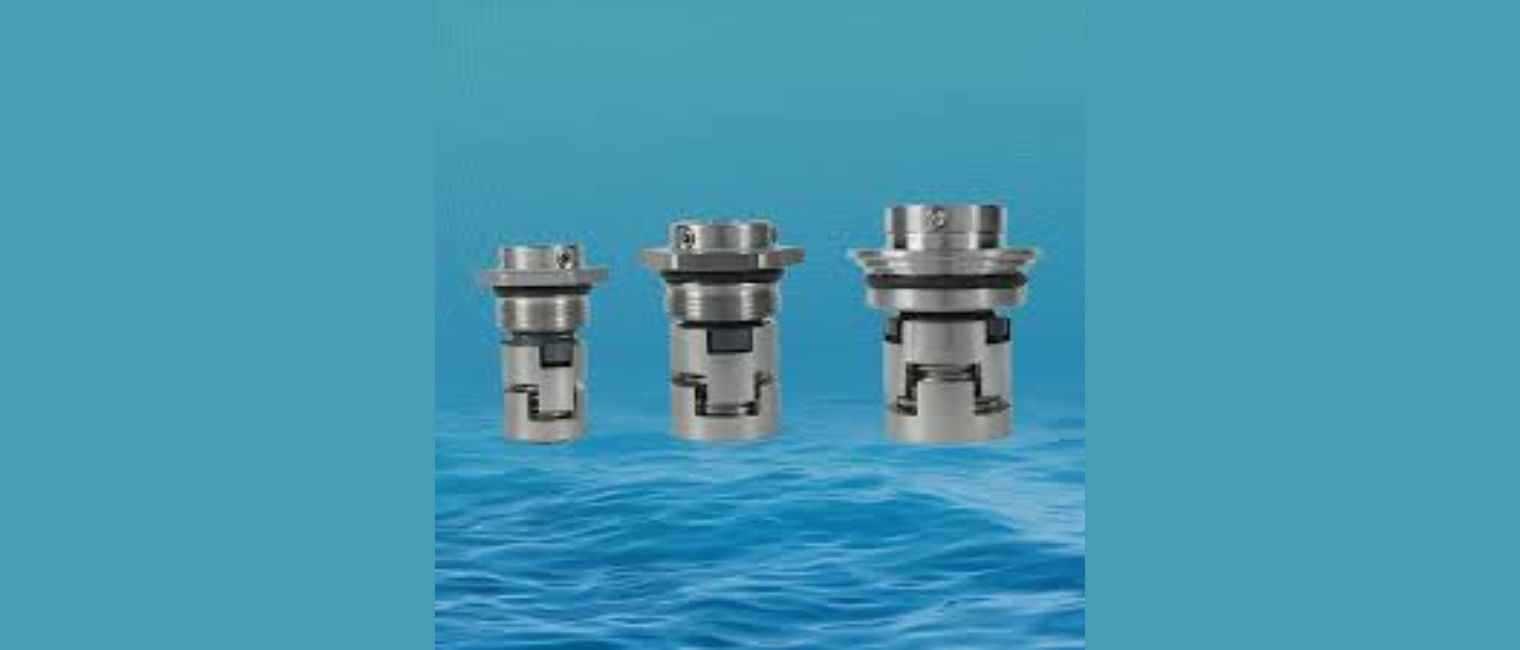
When managing industrial fluid systems, one of the most critical decisions is choosing the right sealing mechanism to prevent leaks and ensure longevity. The primary difference between cartridge and component mechanical seals is that cartridge seals are pre-assembled, “all-in-one” units that are ready to install, whereas component seals consist of separate parts that must be manually measured, aligned, and assembled onto the pump shaft.
Key Takeaways
- Ease of Installation: Cartridge seals are “plug-and-play,” while component seals require high technical skill to install.
- Reliability: Cartridge seals minimize human error during setup, significantly reducing the risk of premature failure.
- Cost vs. Value: While component seals have a lower initial purchase price, cartridge seals often save money long-term through reduced labor and downtime.
- System Integration: Both seal types are essential for maintaining the efficiency of a Sewage Pump or a Monobloc Pump.
Technical Comparison: Cartridge vs. Component Seals
To understand which seal is right for your application, we must look at how they are built. Component Mechanical Seals are the traditional choice. They consist of a stationary part and a rotating part that are installed individually. Because they are open, they require precise measurement of the “working length” to ensure the spring tension is correct.
On the other hand, cartridge seals house all components—seal faces, gland, sleeve, and springs—inside a single housing. This housing is set at the factory, meaning you don’t have to worry about axial measurements during installation.
Comparison Table
|
Feature |
Component Seals |
Cartridge Seals |
|
Assembly |
Separate parts (Face, Spring, O-rings) |
Pre-assembled single unit |
|
Installation Skill |
High (Requires precision) |
Low (Simplified process) |
|
Error Margin |
High (Easy to misalign) |
Low (Factory set) |
|
Initial Cost |
Lower |
Higher |
|
Repairability |
Parts can be replaced individually |
Usually requires full unit service |
|
Typical Use |
High-volume production / Simple pumps |
Critical applications / High-pressure pumps |
The Role of Seals in Modern Pumping Systems
Whether you are working with a Monobloc Pump or a heavy-duty Sewage Pump, the mechanical seal is the “heart” of the system. If the seal fails, the pump fails.
For many Monobloc Pump Manufacturers, providing a reliable seal is a priority because these pumps are often used in domestic and light industrial settings where maintenance is infrequent. A failure in the seal can lead to water entering the motor, causing a total system burnout. Similarly, in systems involving a Pressure Tank, maintaining a consistent vacuum and pressure level is impossible if the seal is compromised.
Step-by-Step Guide: Choosing the Right Seal for Your Business
Selecting the right seal isn’t just about the pump; it’s about your operational capacity. Follow these steps to make the right choice:
1. Assess Your Technical Expertise
If your maintenance team is highly skilled and has the time to perform precision measurements, component Mechanical Seals can be a cost-effective way to manage a large fleet of pumps. However, if you want to minimize downtime and don’t have specialized seal technicians, the cartridge seal is the safer bet.
2. Analyze the Operating Environment
In a Sewage Pump application, the environment is often dirty and hazardous. Trying to install delicate component seals in a cramped, dirty pump room leads to contaminated seal faces. Cartridge seals protect the internal faces during installation, making them ideal for “dirty” industries.
3. Consider the Pressure Dynamics
If your system utilizes a Pressure Tank to maintain constant flow, the seal must handle varying pressure loads. Cartridge seals are generally more robust and better suited for fluctuating pressure environments compared to basic component seals.
4. Consult with Manufacturers
Reach out to reputable Monobloc Pump Manufacturers or seal specialists. They can provide data on the chemical compatibility of the seal faces (like Silicon Carbide or Tungsten Carbide) based on the liquid you are pumping.
Conclusion
Deciding between a cartridge and a component mechanical seal ultimately comes down to a balance of “Upfront Cost” vs. “Operational Reliability.” While component seals offer a lower barrier to entry in terms of price, the hidden costs of installation errors and leaked fluids can quickly add up.
For critical infrastructure, such as a Sewage Pump station or a high-pressure line supported by a Pressure Tank, the precision of a cartridge seal is almost always worth the investment. By ensuring a perfect fit every time, you protect your Monobloc Pump from damage and keep your operations running smoothly.
FAQ Section
Q: Can I replace a component seal with a cartridge seal?
A: In most cases, yes. As long as there is enough space in the pump’s stuffing box and the shaft dimensions match, you can upgrade to a cartridge unit for easier maintenance.
Q: Why do Monobloc Pump Manufacturers often use component seals?
A: Component seals are highly effective in standardized, high-volume pump manufacturing where the assembly is done in a controlled factory environment, allowing for lower consumer costs.
Q: Does a Pressure Tank affect seal life?
A: Yes. A Pressure Tank helps regulate pump cycling. If the tank is not working correctly, the pump may “short cycle” (turn on and off too frequently), which creates heat and friction that can degrade Mechanical Seals prematurely.
Q: Which seal is better for thick or abrasive fluids?
A: Cartridge seals are generally better for abrasive fluids, such as those found in a Sewage Pump, because the delicate parts are shielded from the fluid until the pump is fully operational.
Q: How often should I inspect my seals?
A: It is recommended to perform a visual inspection for moisture or “weeping” every month. A total replacement should be considered based on the manufacturer’s run-hour recommendations, typically every 12 to 24 months depending on the intensity of use.


 Heylux Chauffeurs
 GodDigital GodDigital