umar khan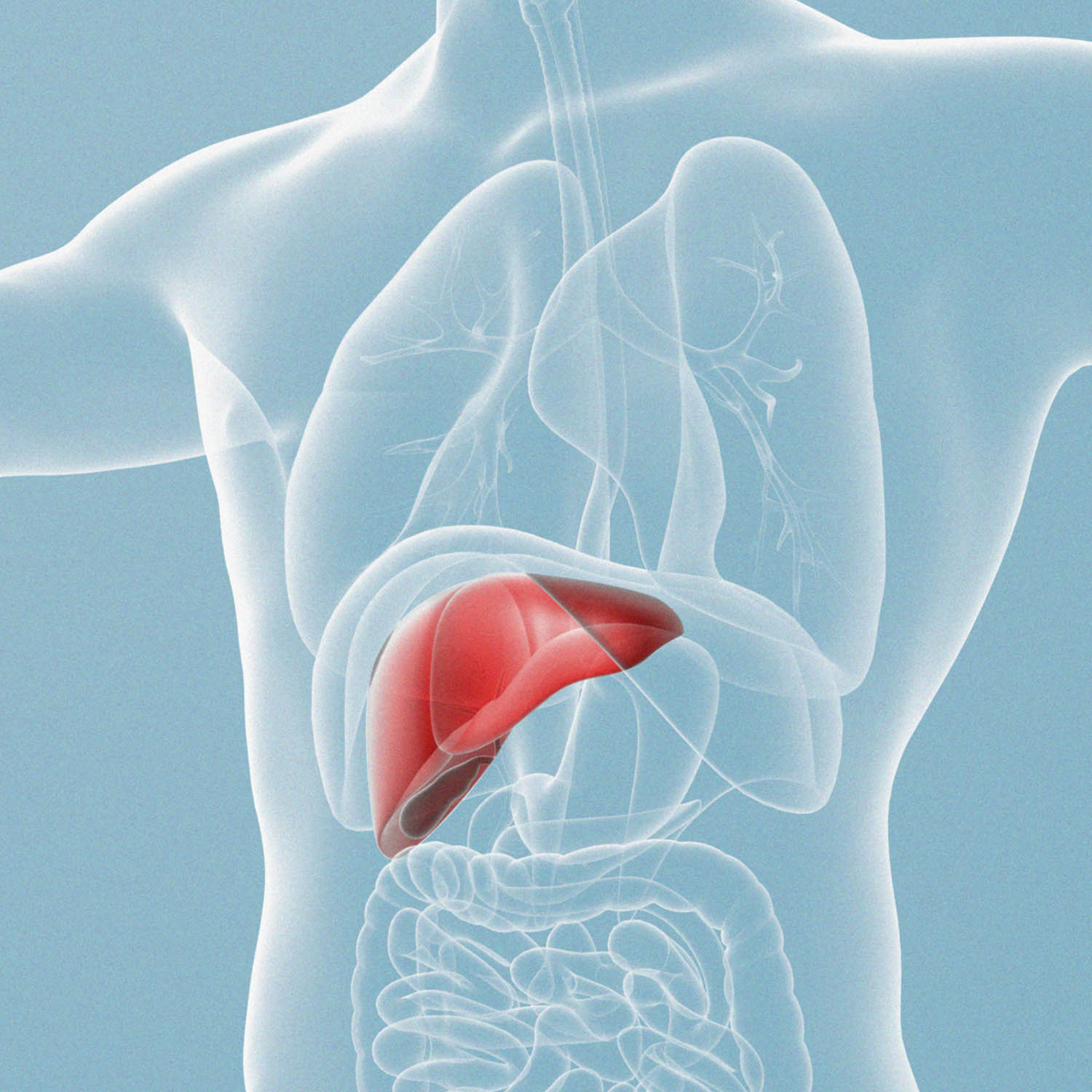
Liver health is often ignored until symptoms become severe. Many people do not realise that the liver works silently, performing hundreds of vital functions every day. From filtering toxins to helping digestion and storing energy, the liver plays a central role in keeping the body healthy.
In today’s fast-paced lifestyle, liver problems are becoming more common due to unhealthy diets, alcohol consumption, obesity, stress, and viral infections. This is why specialised liver care is extremely important. A hepatologist dubai is a medical expert trained specifically to diagnose, treat, and manage liver-related diseases using advanced medical knowledge and technology.
This article explains in simple terms what a hepatologist does, which liver conditions they treat, when you should see one, and how expert liver care in Dubai can make a real difference in long-term health.
Understanding the Role of the Liver
The liver is one of the largest and most important organs in the human body. It performs more than 500 essential functions, including:
-
Removing toxins from the blood
-
Producing bile for digestion
-
Regulating cholesterol levels
-
Storing vitamins and minerals
-
Supporting immune function
-
Managing blood sugar levels
Because the liver is so resilient, it often continues working even when damaged. This is why many liver diseases progress quietly without early symptoms. By the time signs appear, the condition may already be advanced. A hepatologist focuses on detecting problems early and preventing long-term damage.
Who Is a Hepatologist?
A hepatologist is a doctor who specialises in liver, gallbladder, bile duct, and pancreas disorders. Unlike general physicians, hepatologists receive advanced training in liver diseases, making them experts in complex and chronic liver conditions.
In Dubai, hepatologists work with modern diagnostic tools, advanced imaging, and evidence-based treatments. They also collaborate closely with gastroenterologists, surgeons, radiologists, and nutrition specialists to provide complete liver care.
Common Liver Conditions Treated by a Hepatologist in Dubai
1. Fatty Liver Disease
Fatty liver disease is one of the most common liver conditions today. It occurs when excess fat builds up in the liver. There are two main types:
-
Non-alcoholic fatty liver disease (NAFLD)
-
Alcohol-related fatty liver disease
A hepatologist helps by identifying the cause, assessing liver damage, and creating a treatment plan that often includes lifestyle changes, diet guidance, weight management, and regular monitoring.
2. Hepatitis (A, B, C, and Other Types)
Hepatitis is inflammation of the liver, usually caused by viral infections. If left untreated, it can lead to liver failure or cancer.
A hepatologist can:
-
Diagnose the type of hepatitis
-
Monitor liver function
-
Prescribe antiviral medications
-
Prevent disease progression
-
Manage long-term complications
Dubai offers access to the latest antiviral therapies, allowing many patients to achieve full control or cure, especially in hepatitis C.
3. Liver Cirrhosis
Cirrhosis occurs when healthy liver tissue is replaced by scar tissue due to long-term damage. Common causes include hepatitis, alcohol use, and fatty liver disease.
A hepatologist focuses on:
-
Slowing disease progression
-
Managing complications such as fluid retention and bleeding
-
Preventing infections
-
Monitoring for liver cancer
-
Preparing patients for advanced care if needed
Early specialist care can significantly improve quality of life for patients with cirrhosis.
4. Liver Infections and Inflammation
Apart from viral hepatitis, the liver can be affected by bacterial, parasitic, or autoimmune conditions. These conditions may cause pain, fever, jaundice, or abnormal blood tests.
A hepatologist uses blood tests, imaging, and sometimes liver biopsy to identify the cause and start appropriate treatment quickly.
5. Alcohol-Related Liver Disease
Excessive alcohol consumption can damage liver cells over time. This damage can progress from fatty liver to hepatitis and eventually cirrhosis.
A hepatologist provides:
-
Medical treatment for liver damage
-
Support for alcohol cessation
-
Nutritional therapy
-
Regular monitoring of liver recovery
Early intervention can often reverse damage before it becomes permanent.
6. Autoimmune Liver Diseases
Some liver diseases occur when the immune system mistakenly attacks liver cells. These include autoimmune hepatitis, primary biliary cholangitis, and primary sclerosing cholangitis.
A hepatologist manages these conditions using:
-
Immune-suppressing medications
-
Regular blood tests
-
Long-term monitoring
Proper management helps patients live a normal and active life.
7. Liver Cancer and Tumours
Liver cancer can develop due to chronic liver disease or viral hepatitis. Early detection is critical.
A hepatologist plays a key role in:
-
Screening high-risk patients
-
Early diagnosis
-
Coordinating cancer care with oncology teams
-
Monitoring treatment response
Dubai offers advanced imaging and treatment options, improving outcomes for liver cancer patients.
Diagnostic Tests Used by a Hepatologist
A hepatologist in Dubai uses advanced and accurate diagnostic tools to assess liver health, including:
-
Blood tests to check liver enzymes and function
-
Ultrasound scans
-
CT scans and MRI
-
FibroScan to measure liver stiffness
-
Liver biopsy when necessary
These tests help determine the severity of disease and guide the most effective treatment plan.
Treatment Approaches for Liver Conditions
Liver treatment is highly personalised. A hepatologist creates a care plan based on the patient’s condition, lifestyle, and overall health.
Lifestyle and Diet Management
Many liver conditions improve significantly with:
-
Balanced nutrition
-
Weight control
-
Reduced sugar and fat intake
-
Avoiding alcohol
-
Regular physical activity
Hepatologists often work with dietitians to ensure long-term success.
Medication-Based Treatment
Depending on the condition, treatment may include:
-
Antiviral drugs
-
Immune-modulating medications
-
Anti-inflammatory medicines
-
Supplements for vitamin deficiencies
Medications are carefully monitored to avoid further liver stress.
Long-Term Monitoring and Prevention
Chronic liver conditions require ongoing care. A hepatologist provides regular follow-ups to:
-
Monitor liver health
-
Detect complications early
-
Adjust treatment plans
-
Prevent disease progression
This long-term approach is key to maintaining liver function.
When Should You See a Hepatologist?
You should consider seeing a hepatologist if you experience:
-
Persistent fatigue
-
Yellowing of the skin or eyes
-
Abdominal pain or swelling
-
Unexplained weight loss
-
Dark urine or pale stools
-
Abnormal liver blood tests
Early consultation can prevent serious complications.
Why Choose Specialist Liver Care in Dubai?
Dubai is known for its high standards in healthcare, advanced technology, and experienced specialists. Patients benefit from:
-
Access to modern diagnostic tools
-
Evidence-based treatments
-
Multidisciplinary care teams
-
International treatment guidelines
-
Patient-focused care environments
This makes Dubai a trusted destination for liver care.
Importance of Early Liver Care
Many liver diseases are preventable or manageable if detected early. Ignoring symptoms or delaying care can lead to irreversible damage. A hepatologist helps identify issues before they become life-threatening and supports patients through every stage of treatment.
Conclusion
Liver health should never be taken lightly. From fatty liver and hepatitis to cirrhosis and liver cancer, timely care makes a significant difference. Consulting a specialist ensures accurate diagnosis, effective treatment, and long-term monitoring tailored to individual needs.
If you are seeking expert liver care, Dr. Neil Philip Galletly offers comprehensive evaluation and management for a wide range of liver conditions, combining medical expertise with a patient-focused approach to support long-term liver health.


 Pratham Yoga
 Bernard buckingham