Astberg Ventilation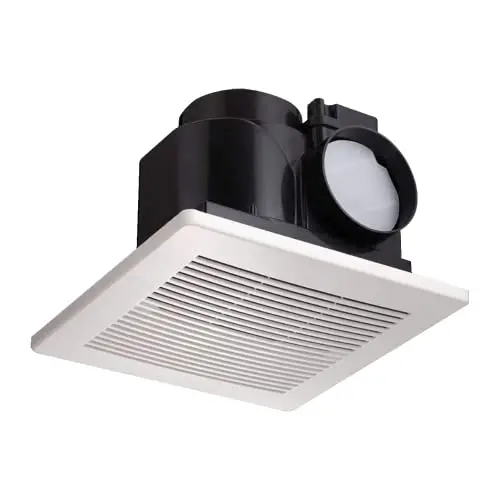
Indoor air quality plays a significant role in maintaining a comfortable, healthy, and productive environment. Whether in homes, offices, commercial buildings, or industrial facilities, proper ventilation is essential for removing stale air, controlling humidity, and ensuring a continuous supply of fresh air. One of the most effective components of a modern ventilation system is the exhaust fan, which helps regulate airflow and improve overall indoor conditions.
As buildings become more energy-efficient and airtight, the need for effective ventilation has increased. Without proper air circulation, indoor spaces can trap moisture, odors, pollutants, and airborne contaminants, creating an unhealthy environment. Modern ventilation systems address these challenges by improving airflow and maintaining balanced indoor air quality.
This article explores the key benefits of installing a modern ventilation system and explains why investing in high-quality ventilation solutions can improve comfort, health, and energy efficiency.
What Is a Modern Ventilation System?
A ventilation system is designed to move fresh air into a building while removing stale, polluted, or humid air. Modern systems use advanced technologies to maintain proper airflow and support healthy indoor environments.
These systems often include:
- Exhaust fans
- Inline fans
- Air handling units
- Duct systems
- Ventilation controls
- Air filtration components
An exhaust fan serves as one of the most important elements by extracting unwanted air and promoting continuous air circulation.
Why Ventilation Is Important
Many indoor environments contain pollutants that are not immediately visible. Everyday activities such as cooking, cleaning, bathing, and operating equipment can contribute to indoor air contamination.
Without proper ventilation, indoor air may contain:
- Excess humidity
- Dust particles
- Cooking odors
- Smoke
- Volatile organic compounds (VOCs)
- Allergens
- Bacteria and airborne contaminants
A modern ventilation system helps remove these pollutants while improving overall indoor comfort.
Improved Indoor Air Quality
One of the primary benefits of installing a modern ventilation system is better indoor air quality.
Poor air quality can negatively affect:
- Respiratory health
- Comfort levels
- Concentration
- Sleep quality
- Overall well-being
A properly installed exhaust fan helps remove stale air and replace it with cleaner, fresher air, reducing the accumulation of pollutants inside the building.
For homes and workplaces alike, cleaner air contributes to a healthier environment for occupants.
Effective Moisture and Humidity Control
Excess humidity is a common problem in many indoor spaces, particularly kitchens, bathrooms, laundry rooms, and industrial facilities.
High humidity levels can lead to:
- Mold growth
- Mildew formation
- Condensation
- Structural damage
- Unpleasant odors
Modern ventilation systems use strategically placed exhaust fans to remove excess moisture before it causes problems.
By controlling humidity levels, ventilation systems help protect both occupants and building materials.
Reduction of Mold and Mildew Growth
Mold and mildew thrive in damp, poorly ventilated environments.
Exposure to mold can contribute to:
- Allergic reactions
- Respiratory issues
- Skin irritation
- Indoor air quality problems
An efficient exhaust fan helps remove moist air from areas prone to humidity buildup, reducing the conditions that encourage mold growth.
This preventive approach supports healthier indoor environments while minimizing maintenance concerns.
Enhanced Comfort Levels
Comfort is influenced by more than temperature alone. Air circulation plays an equally important role.
A modern ventilation system improves comfort by:
- Maintaining consistent airflow
- Reducing stuffiness
- Eliminating hot spots
- Controlling humidity
- Removing odors
Better air movement creates a fresher and more pleasant indoor atmosphere throughout the year.
Removal of Unpleasant Odors
Everyday activities can generate odors that linger if not properly ventilated.
Common sources include:
- Cooking
- Cleaning products
- Smoke
- Pets
- Industrial processes
A high-quality exhaust fan quickly removes unwanted odors, helping maintain a cleaner and more comfortable indoor environment.
This benefit is particularly valuable in kitchens, restaurants, washrooms, and commercial facilities.
Energy Efficiency Benefits
Modern ventilation systems are designed with energy efficiency in mind.
Advanced ventilation technologies help:
- Optimize airflow
- Reduce energy waste
- Improve HVAC performance
- Lower operating costs
Energy-efficient exhaust fans use less electricity while delivering effective ventilation performance.
When integrated with heating and cooling systems, proper ventilation can contribute to overall energy savings.
Improved Workplace Productivity
Indoor air quality has a direct impact on employee comfort and productivity.
Poor ventilation can contribute to:
- Fatigue
- Headaches
- Difficulty concentrating
- Reduced performance
Installing a modern ventilation system helps create a healthier work environment that supports focus, comfort, and productivity.
Businesses that prioritize indoor air quality often experience improved employee satisfaction and performance.
Better Protection for Building Materials
Moisture and poor air circulation can damage building components over time.
Potential issues include:
- Warped wood
- Peeling paint
- Corrosion
- Ceiling damage
- Insulation deterioration
An effective exhaust fan helps remove moisture before it accumulates, protecting the building and extending the lifespan of interior materials.
Improved Kitchen Ventilation
Kitchens generate significant amounts of heat, steam, grease, and cooking odors.
Modern ventilation systems help:
- Remove airborne grease particles
- Extract cooking fumes
- Reduce heat buildup
- Improve air quality
Proper kitchen ventilation creates a safer and more comfortable cooking environment in both residential and commercial settings.
Support for Healthier Living Environments
Clean air contributes to better overall health.
Ventilation systems help reduce exposure to:
- Allergens
- Dust
- Airborne contaminants
- Excess moisture
- Pollutants
For individuals with allergies, asthma, or respiratory sensitivities, improved ventilation can make a noticeable difference in daily comfort and well-being.
A reliable exhaust fan is an important component in maintaining healthier indoor conditions.
Applications of Modern Ventilation Systems
Ventilation systems are beneficial across a wide range of environments.
Residential Applications
Homeowners use ventilation systems to improve:
- Bathroom ventilation
- Kitchen airflow
- Basement moisture control
- Whole-home air circulation
Commercial Applications
Commercial properties rely on ventilation systems for:
- Office comfort
- Restaurant ventilation
- Retail environments
- Healthcare facilities
Industrial Applications
Industrial facilities require ventilation to:
- Remove contaminants
- Control temperature
- Improve worker safety
- Maintain air quality standards
Modern systems can be customized to meet the specific needs of each environment.
Choosing the Right Exhaust Fan
Selecting the right exhaust fan depends on several factors.
Important considerations include:
- Room size
- Airflow requirements
- Noise levels
- Energy efficiency
- Installation location
- Application type
A properly sized fan ensures optimal performance while maximizing efficiency.
Professional guidance can help determine the most suitable ventilation solution for your space.
Long-Term Value of Ventilation Systems
Investing in a quality ventilation system offers long-term benefits beyond immediate comfort.
Advantages include:
- Lower maintenance costs
- Improved property value
- Better indoor air quality
- Enhanced occupant satisfaction
- Reduced moisture-related damage
The long-term return on investment often makes ventilation upgrades a worthwhile improvement for both residential and commercial properties.
Conclusion
Installing a modern ventilation system is one of the most effective ways to improve indoor air quality, comfort, and overall building performance. From reducing humidity and controlling odors to preventing mold growth and enhancing energy efficiency, the benefits are substantial.
A high-quality exhaust fan plays a crucial role in maintaining proper airflow and supporting healthier indoor environments. Whether used in homes, offices, restaurants, or industrial facilities, modern ventilation solutions help create cleaner, safer, and more comfortable spaces for everyone. By investing in reliable ventilation technology, property owners can enjoy long-term benefits that contribute to both occupant well-being and building longevity.

 Amo Yadav
 The Grande Reception & Function Centre