london designbuild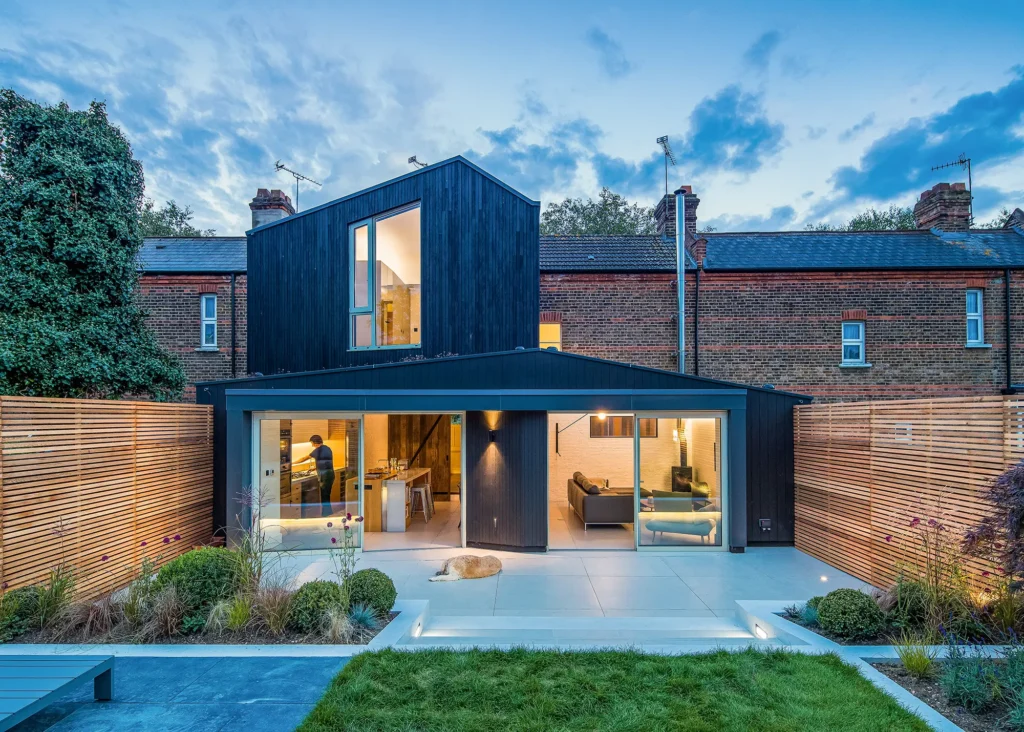
A single storey extension is the most popular home project in London for a reason. It is the sweet spot. Big enough to properly change how your ground floor works, but smaller and simpler than a double storey or a wraparound. For most families it is the job that finally gives them the kitchen and living space they actually need.
Because it is so common, there are a lot of people offering to do it, and the quality varies enormously. Knowing what a good design and build company actually does on a job like this helps you tell the careful outfits from the ones who will let you down. Here is what to expect when it is done properly.
A Proper Conversation Before Any Drawing
The first thing a good company does is talk, not draw. They want to understand how you live before they put a single line on paper.
How many of you are there. Do you cook a lot. Do you want one big open room or a few defined spaces. What do you hate about the current layout. What is the budget really, not the dream number.
This conversation shapes everything. A company that rushes to drawings without it is designing for a generic family, not yours. The ones who ask first are the ones whose extensions fit the people living in them.
Honest Talk About Permitted Development
Most single storey rear extensions fall under permitted development, which means no full planning application if you stay within the limits. But those limits are specific.
There are rules on how far you can extend, how high it can go, and how close to the boundary it can sit. A semi and a terrace have different allowances. A good company knows these cold and tells you straight what you can build without permission and what would need an application.
They do not promise you the world and then discover halfway that you needed planning all along. They sort this out at the start, so the design fits what you are actually allowed to do.
Clear Pricing With No Hidden Gaps
This is where a lot of single storey jobs go wrong. The quote looks great until the extras start arriving.
A proper single storey extension quote should spell out what is included. Foundations. The steel work. Building regs drawings. The roof. The doors and windows. Making good where the new meets the old.
If a quote is vague or suspiciously cheap, that is usually because half of this is missing and will be charged later. A company confident in its work lays out every line, so the number you agree to is close to the number you pay. The clear quote is nearly always the honest one.
Foundations and Structure Done Right
Even a single storey involves real structural work. You are knocking out a wall that holds the house up, and a steel beam has to take over that job.
The beam has to be the correct size, calculated by an engineer, and signed off by building control. The foundations have to be deep enough for the ground you are on, which depends on soil, trees, and drains nearby.
This is not the part to cut corners on. A good company gets the structure calculated properly before quoting, so the price reflects the real job. The ones who guess at this stage are the ones whose prices balloon when reality hits.
Managing the Build Around Your Life
A single storey extension still means months of work on a house you are probably still living in. The back of your home becomes a building site.
A good company plans around that. They keep a working kitchen going as long as possible. They contain the mess where they can. They tell you which weeks will be the loud, dusty ones so you can plan.
This stuff rarely appears on a quote, but it is the difference between a manageable few months and a miserable one. Experience here shows up quietly, in how smoothly the daily disruption is handled.
A Finish That Joins the House Properly
The thing that separates a good single storey extension from a cheap one is how it meets the existing house. The join is where you can spot the difference.
Does the new floor run cleanly into the old, or is there an awkward step. Do the bricks match or sit nicely beside the old ones. Does the new roof line sit comfortably against the house, or does it look stuck on.
These are decisions made in the design, long before the building. A company that designs and builds keeps them connected, so the person who pictured the finish is the same outfit doing the work. That is why their extensions look like part of the home rather than something bolted to the back of it.

 Vishwanath rg
 alber melborn