andr Ollr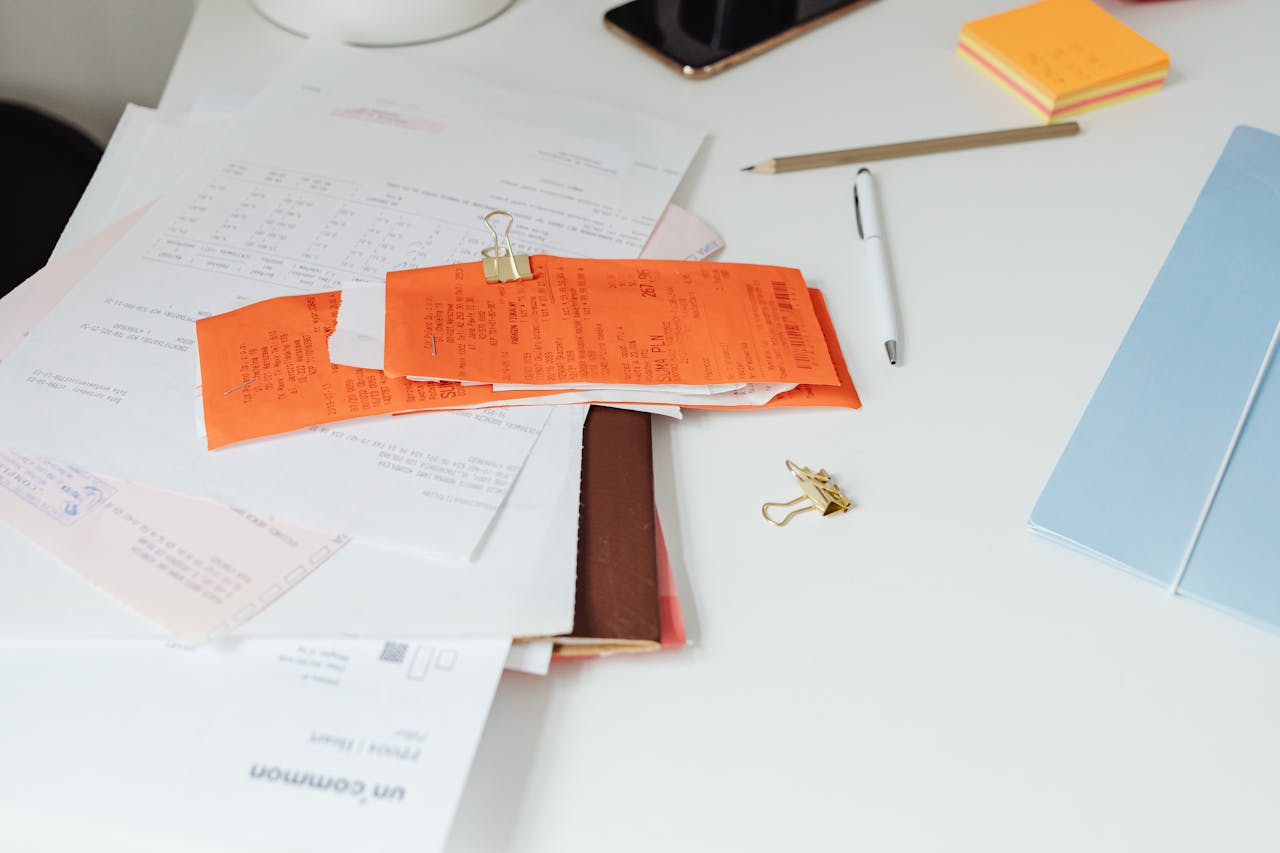
Missing key papers means losing money on tax time. A solid paper trail turns guesses into claims. Without receipts or logs, deductions vanish like smoke. Picture this: an old water heater becomes proof, not junk. Dates matter more than you think, especially when dividing costs over years. One photo with a timestamp beats three vague memories. Rules shift each season slightly; last year’s method might not stick. Numbers need backup stories, how something wore down and where it was used. Even small repairs stack up if recorded right away. Hidden value lives in folders, not just walls or roofs.
A step-by-step approach makes handling paperwork easier. Clarity comes from simple steps followed one at a time. Staying on track feels natural when each part fits clearly into place.
Why Documentation Matters
Over the years, buildings slowly lose value because of ageing. When figuring out tax deductions, showing clear records matters a lot. If inspectors check your paperwork, weak evidence might lead to lower returns. How numbers are calculated needs backing from solid sources.
Starting strong with clear records means missing out gets harder. Lots of people fail to claim what they could simply due to missing proof, especially when faster write-offs apply to specific items.
1. Purchase Documents
Start with the basics. Gather every document tied to buying the house, such as receipts, contracts, transfer papers, and anything signed or stamped during the deal.
- Contract of sale
- Settlement statement
- Stamp duty records
- Legal fees documentation
Starting off, these papers set the initial value of the property. Even though land can’t be depreciated, structures on it definitely can. Getting that difference right matters a lot when working out how fast things lose value.
2. Depreciation Schedule
A depreciation schedule ranks among the key papers you must have. Typically, a certified quantity surveyor puts this document together, listing clearly:
- The value of the building
- The value of plant and equipment (appliances, fixtures, etc.)
- The applicable depreciation rates for each asset
- Annual deduction amounts
A solid timeline makes it easier to handle depreciation properly, plus back up what you’re claiming. Tax experts often suggest having one, particularly if the property is new or has had updates lately.
3. Construction and Renovation Records
Fresh builds or updated spaces? Hold onto every paper trail like receipts, plans, and notes. Each change made deserves its own proof tucked away safely. Think permits stacked with before-and-after photos. Paperwork like that tells the full story later on. Never toss estimates, even if they seem small at first glance. Dates matter just as much as signatures down the line. Details stick better when logged right after work finishes.
- Builder invoices
- Construction contracts
- Receipts for materials and labor
- Council approvals
Starting with paperwork, it sets the base for figuring out how much capital spending is worth over the years, thanks to set drop rates in value. When upgrades come into play, they might increase the amount deducted, provided there’s clear proof of every dollar spent.
A fresh coat on cabinets or swapping old tiles can change how fast value drops show up on paper. Keep track just the same. What seems minor today could matter more later than expected.
4. Asset Purchase Receipts
Inside the property, keep hold of paperwork showing your invoices or receipts, when it comes to gear or fixtures. These documents prove ownership for appliances, tools, or built-in units. Every item tied to the place should have some kind of proof sitting nearby. Paper trails help sort out value later on down the line. Without them, figuring out worth gets messy. Save copies of:
- Air conditioners
- Ovens and dishwashers
- Carpets and blinds
- Hot water systems
A single thing on that list might wear out faster than the structure around it. Track every detail carefully so claims stay accurate, boosting what you can deduct.
Without paperwork, value guesses can happen. Real documents hold more weight. A quantity surveyor might step in when proofs are missing, though clear records beat assumptions every time.
5. Loan and Finance Documents
Borrowing papers might not change how fast something loses value on paper, yet they help back up what you tell the tax office. Keep proof of:
- Loan agreements
- Interest statements
- Bank statements
One way to keep track is by setting apart depreciation from things such as loan interest. A clear layout means fewer delays when filing, plus less chance that something gets miscalculated.
6. Property Management Statements
A property manager might provide paperwork that shows what’s been paid. Their records could back up details when needed. Paper trails like these often clear up questions fast. What they hand over may count as solid proof later on.
- Rental income
- Maintenance expenses
- Dates the property was rented or available for rent
When you track time right, it shapes how much you claim back on assets. Depreciation sticks to times when money actually comes in. Each year’s numbers stay fair if the dates line up properly.
7. Previous Tax Returns
Last year’s tax forms show what you’ve already taken off your taxes for wear and tear. This is important when figuring out current deductions:
- Avoiding double claims
- Tracking remaining asset value
- Adjusting depreciation rates over time
Few things last forever, which means spreading cost over time becomes necessary. Staying organised through each year helps avoid confusion later.
8. Insurance And Valuation Reports
Even without the loan documents, insurance plans might still help prove what something is worth. Though they fall short of being a full substitute for tracking wear and tear over time, these records can lend weight to educated guesses about value loss. Starting from scratch? Old appraisals tucked inside policy files could hint at starting points. When details go missing, such paperwork steps in; quiet but solid. Not perfect, but better than nothing when estimating how fast things lose worth.
Tips for Staying Organised
What if keeping track of everything felt easier? A basic setup might be all it takes. Try sorting each paper by date instead of type. See how that changes the flow. Notice what piles up most. Build from there slowly. Watch where things tend to go missing. Shift one habit at a time. Stay light on rules. Let patterns guide adjustments. Repeat only what actually works
- Store digital copies of everything
- Use folders labelled by year and category
- Keep receipts as soon as you get them
- Work with a tax professional annually
When things are in order, protection of claims comes naturally and on top of that, spotting chances for better depreciation rules becomes easier when they exist. A clear setup opens paths you might otherwise miss.
Final Thoughts
A single misplaced receipt can undo months of careful planning when tax season arrives. Starting with the initial contract, right down to contractor invoices, each piece builds a clear picture for assessors. When records lack detail, claims often collapse even if the expenses were real. Keeping logs updated isn’t optional; it’s what separates successful claims from rejected ones.
Missing some important papers? Spend the time to track them down or rebuild what’s lost. Usually, the work pays off through lower taxes. Effort spent now can mean money saved later.
In conclusion, better details mean stronger claims. Clear notes boost what you gain from real estate choices. Full paperwork builds trust when it matters most.


 pokerscript LLC
 James William