GeoPITS Global Pvt Ltd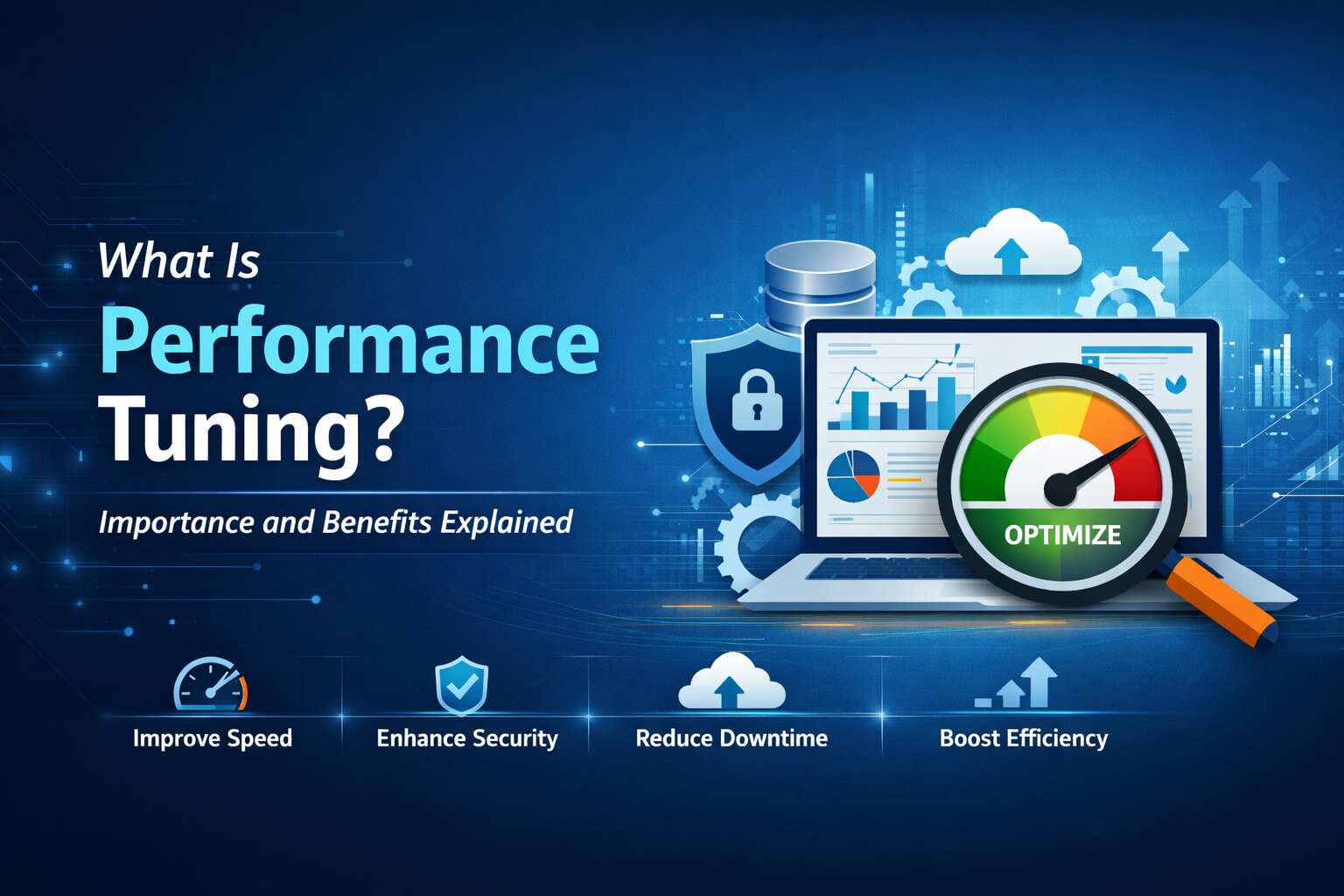
In today’s fast-paced digital environment, system performance plays a critical role in determining business success. Whether it’s a database, application, or entire IT infrastructure, slow performance can lead to poor user experience, reduced productivity, and even revenue loss. This is where performance tuning becomes essential.
Performance tuning is the process of analyzing, optimizing, and improving the efficiency of systems to ensure they operate at their best. It involves identifying bottlenecks, optimizing queries, improving configurations, and enhancing overall system responsiveness.
Understanding Performance Tuning
At its core, performance tuning focuses on making systems faster, more stable, and highly efficient. It applies to databases, servers, applications, and networks. The goal is to ensure that resources are utilized effectively while maintaining high availability and reliability.
Businesses often rely on performance tuning services to handle this complex task. These services provide expert insights, tools, and strategies to continuously monitor and improve system performance without disrupting operations.
Why Performance Tuning Matters
Performance tuning is no longer optional—it’s a necessity for businesses that depend on technology. As data volumes grow and user expectations increase, systems must deliver consistent performance under heavy workloads.
One of the main reasons performance tuning matters is user experience. Slow-loading applications or delayed responses can frustrate users and drive them away. Optimized systems, on the other hand, provide seamless interactions and build customer trust.
Another important factor is operational efficiency. Poorly performing systems consume more resources, increasing infrastructure costs. By leveraging performance tuning services, organizations can reduce unnecessary resource usage and improve cost efficiency.
Key Areas of Performance Tuning
Performance tuning covers multiple aspects of IT systems. Each area contributes to overall efficiency and requires careful optimization.
1. Database Performance Tuning
Databases are often the backbone of applications. Tuning involves query optimization, indexing, and proper schema design to ensure fast data retrieval and processing.
2. Application Performance Tuning
Applications must be optimized for speed and responsiveness. This includes code optimization, reducing latency, and improving load handling.
3. Server and Infrastructure Tuning
Hardware resources such as CPU, memory, and storage must be configured properly to support system demands.
4. Network Optimization
Reducing latency and improving data transfer speeds ensures better communication between systems.
Benefits of Performance Tuning
Performance tuning offers several advantages that directly impact business outcomes.
- Improved Speed and Efficiency – Optimized systems process data faster, leading to quicker response times and improved productivity.
- Reduced Downtime – By identifying potential issues early, performance tuning minimizes system failures and disruptions.
- Cost Optimization – Efficient resource utilization reduces infrastructure costs and eliminates unnecessary expenses.
- Enhanced Scalability – Well-tuned systems can handle increased workloads without compromising performance.
- Better User Experience – Fast and reliable systems create a positive experience for users, leading to higher satisfaction and retention.
Role of Performance Tuning Services
While some organizations attempt to handle tuning internally, it often requires specialized skills and continuous monitoring. This is where performance tuning services become valuable.
These services provide a structured approach to optimization, including performance assessments, monitoring tools, and expert recommendations. They help businesses maintain peak performance without overburdening internal teams.
Additionally, service providers stay updated with the latest technologies and best practices, ensuring that systems remain optimized even as environments evolve.
Common Challenges Addressed
Many businesses face performance-related challenges that can directly impact growth, productivity, and overall efficiency. Performance tuning plays a crucial role in identifying and resolving these issues before they become critical. One of the most common challenges is slow query execution, especially in large and complex databases, which leads to delays in data processing and poor user experience. Another major issue is resource bottlenecks, where systems consume excessive CPU or memory due to inefficient configurations. Additionally, scalability problems arise when systems are unable to handle increasing workloads, resulting in performance degradation. With effective tuning strategies, businesses can overcome these challenges and ensure smooth, reliable operations.
Key Challenges:
- Slow query execution is affecting the system speed
- High CPU and memory usage due to inefficiencies
- Resource bottlenecks are limiting performance
- Scalability issues under increasing workloads
Best Practices for Effective Performance Tuning
To achieve optimal system performance, businesses must follow a structured and proactive approach to performance tuning. Regular monitoring is essential to identify potential issues early and maintain system stability. Continuous optimization ensures that systems evolve with changing workloads and business demands. Using the right tools helps in analyzing performance metrics and detecting bottlenecks efficiently. Additionally, testing all changes before implementation minimizes risks and prevents unexpected disruptions. When these best practices are combined with professional performance tuning services, organizations can achieve consistent performance improvements and long-term operational success.
Best Practices:
- Regular monitoring for early issue detection
- Continuous optimization based on workload changes
- Use of advanced tools for performance analysis
- Testing changes before deployment
- Leveraging expert performance tuning services for better results
Future of Performance Tuning
As technology evolves, performance tuning is becoming more advanced and automated. Artificial intelligence and machine learning are being used to predict performance issues and recommend solutions in real time.
Cloud computing is also reshaping performance tuning strategies. Businesses must optimize not only on-premises systems but also cloud-based environments. This requires specialized expertise and tools.
Automation will continue to play a major role, enabling faster analysis and resolution of performance issues. However, human expertise will remain crucial for strategic decision-making and complex problem-solving.
Conclusion
Performance tuning is a critical component of modern IT management. It ensures that systems run efficiently, securely, and reliably, supporting business growth and innovation. From improving speed and reducing downtime to enhancing user experience and scalability, the benefits are undeniable.
For organizations looking to maximize their system performance, partnering with the right experts is key. GeoPITS stands out as a trusted provider, offering advanced performance tuning services tailored to business needs. With a focus on optimization, reliability, and efficiency, GeoPITS helps businesses achieve high-performing systems and long-term success.


 Apptunix Technologies
 vision info