enfield abudhabi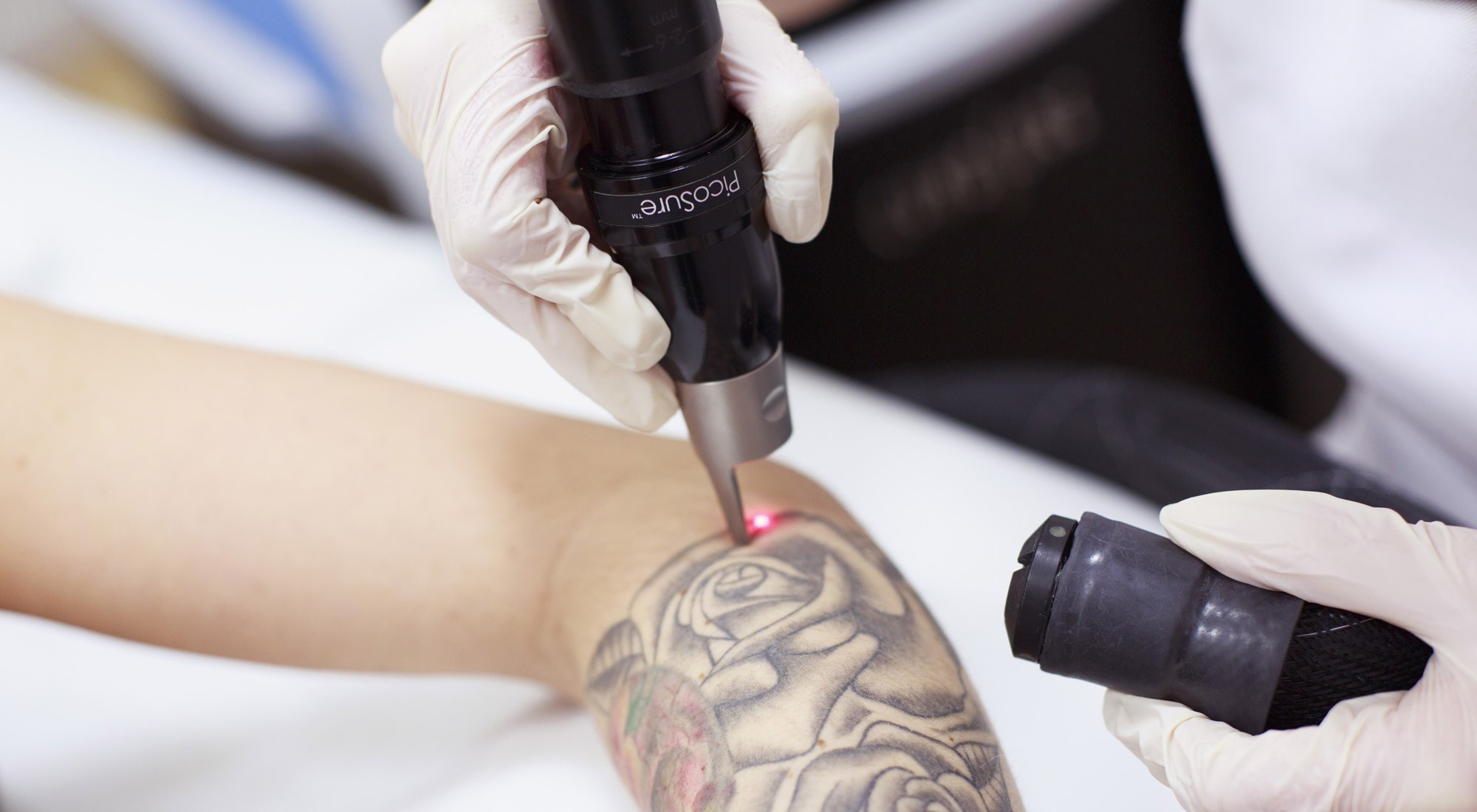
Unwanted ink no longer has to be a permanent fixture on your skin. Modern advancements in aesthetic technology have made it possible to fade and eliminate designs that no longer align with your personal style or lifestyle. If you are exploring advanced aesthetic options, learning about Picosure Tattoo Removal in Abu Dhabi offers a window into how picosecond technology has transformed the clearance of multi-colored and stubborn ink. This comprehensive guide covers the science, the step-by-step process, color dynamics, and what individuals experience during a typical treatment timeline.
-
Technology Shift: Modern aesthetic solutions move away from heat-reliant systems to advanced light energy.
-
The Focus: Understanding the mechanics of picosecond technology allows for realistic expectations regarding ink clearance.
-
The Outcome: Advanced procedures provide a clear path toward reclaiming clear skin through a series of structured sessions.
Understanding Picosecond Laser Technology
To fully grasp the treatment journey, it is essential to look at the advanced science that powers the system. Traditional laser systems used for fading ink rely on nanosecond pulses, which deliver energy in billionths of a second. This older approach uses photothermal action, meaning it relies heavily on heat energy to break down the pigment trapped in the dermal layers of the skin.
In contrast, picosecond technology delivers energy in trillionths of a second. This incredibly rapid delivery creates a photomechanical effect, also known as a pressure wave, rather than a thermal effect. Instead of heating the ink particles until they melt or split, the rapid pressure wave shatters the target pigment into microscopic, dust-like fragments without overheating the surrounding dermal landscape.
-
Pulse Speed: Operating in trillionths of a second minimizes the thermal footprint on the skin structure.
-
Pressure Wave Action: The technology relies on a mechanical shattering mechanism to fragment dense ink clusters.
-
Fragment Size: Breaking the ink into microscopic dust rather than larger pebbles makes it much easier for the body to naturally clear.
How the Body Naturally Eliminates Shattered Ink
The laser does not actually erase or wash away the ink during the session; rather, it sets a natural biological process into motion. Tattoos remain permanent because the original ink particles injected by an artist are far too large for the body’s natural defense systems to eliminate. The immune system views the ink as a foreign object but cannot move it.
Once the picosecond pressure waves shatter these massive ink deposits into tiny, microscopic dust particles, the body’s immune system can finally do its job. Specialized white blood cells, known as macrophages, engulf these tiny particles. Over the course of several weeks following a session, the lymphatic system naturally flushes these fragmented pigments out of the body.
-
Immune Response: The treatment unlocks the body’s natural capability to target and engulf foreign pigments.
-
Role of Macrophages: White blood cells collect the micro-particles left behind by the laser waves.
-
Lymphatic System: The natural drainage pathways of the body slowly flush out the shattered ink over time.
What Happens During a Standard Session
A typical appointment is structured to be straightforward, efficient, and heavily focused on precision. Understanding the phases of a standard treatment session helps reduce any anxiety an individual might have before walking into the room.
Step 1: Skin Preparation and Safety Measures
Before any laser energy is introduced, the target area is thoroughly cleansed to remove any oils, lotions, or surface impurities. Both the individual undergoing the treatment and the specialist wear protective eyewear designed specifically to shield against the specific wavelength of the picosecond laser.
Step 2: Laser Application
The specialist guides the laser handpiece across the tattooed skin. As the device emits ultra-short pulses, a faint snapping sound can be heard. The laser precisely targets the depth of the dermis where the pigment resides, leaving the outer layers of the skin intact.
Step 3: Immediate Protective Steps
Directly following the laser application, a soothing ointment or specialized dressing is applied to protect the area. The entire active laser process is remarkably fast, often taking only a few minutes for small to medium designs.
-
Preparation: Cleansing the skin surface ensures no topical blockages interfere with the light waves.
-
Precision Targeting: Handpieces are calibrated to focus energy solely on the depth of the ink pigment.
-
Speed: Individual sessions are brief, making the active treatment time highly manageable.
Managing Comfort and the Sensation of the Treatment
A common question for anyone considering ink clearance is what the actual laser energy feels like on the skin. Because the technology avoids prolonged heat buildup, the sensation differs significantly from traditional laser options.
Most individuals describe the feeling of a picosecond pulse as similar to a quick snap of a thin rubber band against the skin. Others compare it to the sensation of getting the original tattoo, though it occurs at a much faster pace. To maintain high levels of comfort throughout the session, advanced cooling methods are utilized. Cold air devices often blow a continuous stream of chilled air over the skin before, during, and after the pulses to numb the area naturally and soothe the surface.
-
The Sensation: The feeling is frequently likened to the rapid flick of a rubber band.
-
Cooling Systems: Continuous chilled air is used to keep the surface temperature of the skin perfectly balanced.
-
Time Factor: Because the sessions last only a few minutes, any discomfort experienced is brief.
The Factors That Influence the Overall Treatment Timeline
Achieving complete clearance or substantial fading is a progressive journey that cannot happen in a single visit. Several variables dictate how many sessions will be required to completely break down the ink layers.
Ink Depth and Quality
Professional tattoos are typically embedded deeper within the dermis and use dense, high-quality pigments, which can take more sessions to break apart. Amateur tattoos, on the other hand, are often superficial and use less concentrated ink, allowing them to break down faster.
Age of the Design
Older tattoos are generally easier to clear than fresh ink. Over time, the body’s immune system has already naturally broken down some of the stability of the pigment, making it highly responsive to picosecond pressure waves.
Biological Variables
Because the lymphatic system does the heavy lifting of clearing the shattered ink, individual metabolic rates and overall circulation play a massive role. Tattoos located closer to the heart, where circulation is strongest, tend to fade faster than those located on the hands, ankles, or feet.
-
Ink Quality: Dense, professionally applied pigments require a greater number of fragmented passes.
-
Tattoo Longevity: Older body art responds more rapidly due to pre-existing natural fading.
-
Circulation Dynamics: Areas of the body with higher blood flow experience faster ink elimination via the lymphatics.
Why Ink Colors Matter in the Removal Process
Not all ink colors absorb laser light in the exact same manner. A tattoo’s color palette is one of the most critical elements in determining how effectively and quickly it will fade.
Different colors reflect and absorb specific wavelengths of light. Black and dark blue pigments are the easiest to treat because they absorb all laser wavelengths universally, making them highly susceptible to the shattering pressure waves. Historically, stubborn colors like bright greens, sky blues, and vivid yellows were incredibly difficult for older lasers to touch. Picosecond technology utilizes specific wavelengths that directly target these challenging shades, successfully shattering pigments that traditional machines would leave behind.
-
Dark Pigments: Black and deep blue inks absorb light efficiently, leading to rapid fragmentation.
-
Challenging Shades: Green and light blue hues respond exceptionally well to picosecond wavelengths compared to older tech.
-
Multi-Colored Designs: The versatility of advanced systems allows for customized targeting of complex color art.
General Care and Maintenance Between Sessions
The period between active appointments is when the actual fading takes place. Proper care ensures the skin remains healthy, resilient, and prepared for subsequent sessions.
Spacing between appointments is typically set at six to eight weeks. This interval is mandatory because it gives the immune system ample time to sweep away the microscopic ink particles created during the previous session. Rushing into another session too quickly does not speed up the fading process, as the body needs time to perform its natural clearing work. Keeping the area clean, hydrated, and completely shielded from direct UV exposure or tanning beds is fundamental to maintaining optimal skin condition throughout the timeline.
-
Mandatory Intervals: Six to eight weeks of rest allows the lymphatic system to clear the maximum volume of ink.
-
Skin Protection: Keeping the area clean and hydrated preserves the natural integrity of the skin.
-
Sun Avoidance: Guarding the treated area against sun exposure keeps pigment baseline levels stable for the next session.
Frequently Asked Questions
How many sessions are generally required to fade a tattoo using picosecond technology?
Most individuals require between 4 to 8 sessions to see significant fading or complete clearance. The exact number depends heavily on the size of the design, the depth of the ink, the colors used, and how quickly your body’s lymphatic system processes the shattered particles.
Can picosecond lasers address tattoos that were previously treated with older lasers?
Yes, picosecond technology is highly effective at targeting “stubborn” or recalcitrant tattoos that have stopped responding to traditional nanosecond lasers. The photomechanical pressure waves can break down the remaining deeply embedded ink fragments that older thermal lasers failed to shatter.
Why is there a multi-week wait time between each treatment session?
The wait time is necessary because the laser does not remove the ink; your immune system does. It takes several weeks for white blood cells to safely transport the shattered microscopic ink particles out of the dermal layer via the lymphatic system.
Is picosecond laser technology suitable for all skin tones?
Yes, picosecond technology is highly versatile and designed to be compatible with a broad range of skin tones. Because it utilizes ultra-short pulses that rely on pressure rather than excessive heat buildup, it can target ink pigments precisely while maintaining the safety and balance of the surrounding skin properties.

 bodyvie clinic
 Kaivalyam Yoga