Chouhan Rugs Store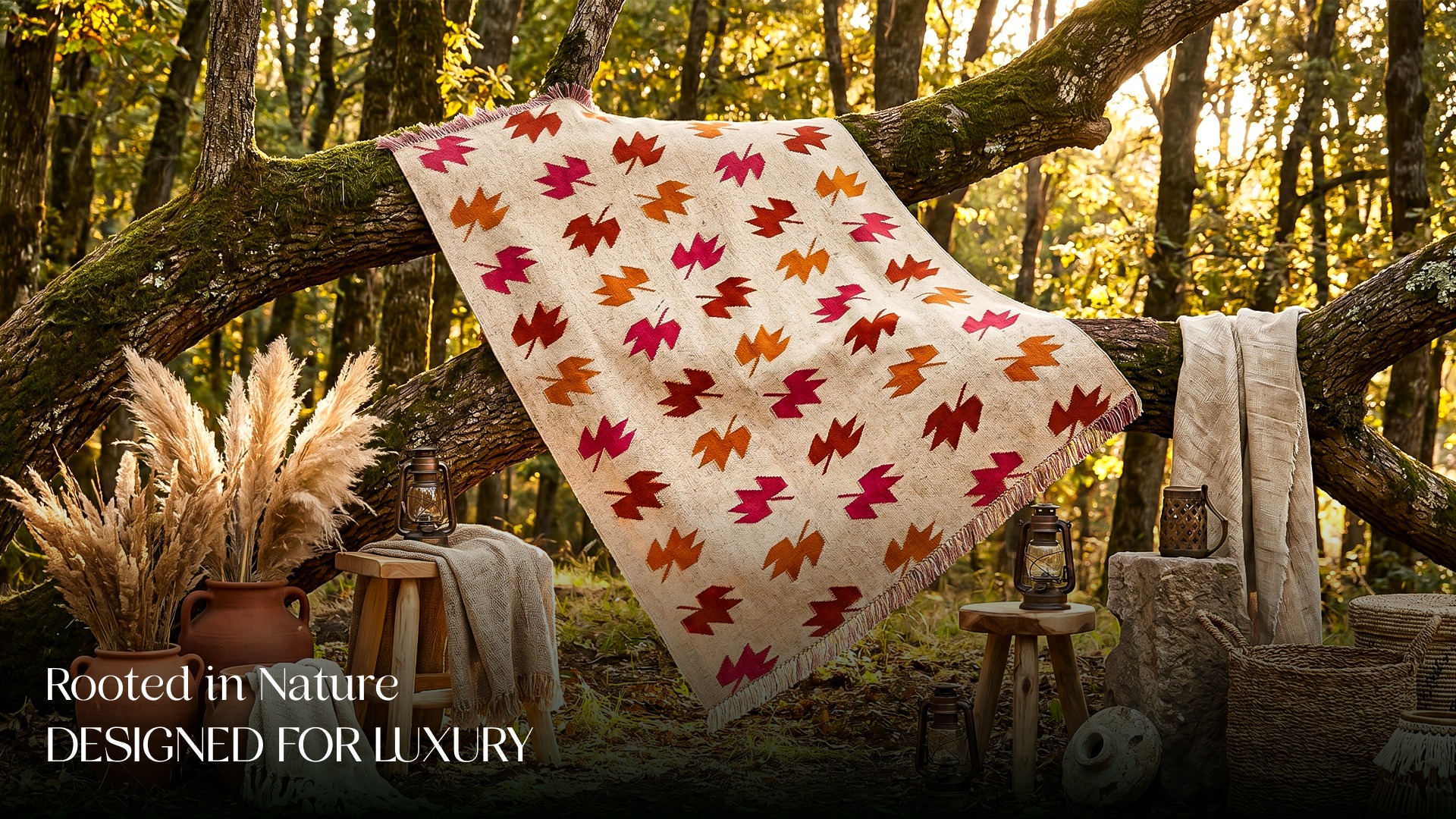
A wool kilim rug is a home décor item that makes a statement, adding timeless elegance and lasting comfort to your home. For centuries, these beautiful handmade rugs have been prized for their durability, complex patterns, and universal appeal. Whether you’re designing a modern apartment in Manhattan, a cosy townhouse in Brooklyn, or a spacious home in Queens, a kilim rug can make your living space pop in an instant.
Wool kilim rugs are very popular in New York where homeowners and interior designers want sustainable, handcrafted and one-of-a-kind flooring options. Authentic kilim rugs are hand woven using traditional techniques which give each rug its own individual personality and craftsmanship. This is not like machine made rugs.
In this guide we’ll discuss why wool kilim rugs are a good investment, how they compare to cotton versions, tips for choosing the right rug & how to maintain your investment to keep it looking beautiful for years.
What Is a Wool Kilim Rug?
A wool kilim rug is a flat-woven textile traditionally handcrafted using natural wool fibers. Unlike pile rugs, kilim rugs are woven rather than knotted, resulting in a lightweight yet highly durable rug with vibrant geometric patterns and cultural significance.
These rugs originated in regions such as Turkey, Persia, Afghanistan, and parts of Central Asia, where skilled artisans have passed weaving traditions from one generation to another.
The natural wool used in these rugs offers several advantages:
- Exceptional durability
- Soft underfoot feel
- Natural stain resistance
- Excellent insulation
- Long-lasting color retention
- Sustainable and eco-friendly material
Every wool kilim rug tells a story through its intricate designs, making it both a decorative piece and a work of art.
Why Are Wool Kilim Rugs Popular in New York?
New York homes vary from compact city apartments to luxurious penthouses and historic brownstones. One of the reasons wool kilim rugs in New York have become increasingly popular is their incredible versatility.
They complement almost every interior design style, including:
- Contemporary
- Scandinavian
- Minimalist
- Bohemian
- Traditional
- Farmhouse
- Industrial
Since many New York homes have hardwood flooring, adding a wool kilim rug provides warmth, comfort, and visual interest without overwhelming the room.
Interior designers also appreciate that kilim rugs can easily be layered with larger neutral rugs to create texture and dimension.
Benefits of Choosing a Wool Kilim Rug
1. Outstanding Durability
One of the biggest advantages of a wool kilim rug is its remarkable strength. Wool fibers naturally bounce back after compression, making these rugs suitable for high-traffic areas like living rooms, hallways, and dining spaces.
With proper care, a wool kilim rug can last for decades.
2. Sustainable and Eco-Friendly
Modern homeowners increasingly value environmentally responsible products.
Wool is:
- Renewable
- Biodegradable
- Naturally sourced
- Free from synthetic materials
Choosing handcrafted wool rugs also supports traditional artisans and sustainable craftsmanship.
3. Natural Temperature Regulation
Wool naturally regulates temperature by providing insulation during colder months while remaining breathable in warmer seasons.
This makes wool kilim rugs ideal for New York’s changing climate.
4. Timeless Beauty
Unlike trendy home accessories that quickly go out of style, a wool kilim rug remains elegant year after year.
Its handcrafted patterns add warmth, culture, and personality to any room.
5. Naturally Resistant to Dirt
Wool contains natural oils that repel dust and dirt better than many synthetic materials.
This means less frequent cleaning while maintaining an attractive appearance.
Wool Kilim Rug vs Cotton Kilim Rug
Many buyers compare a wool kilim rug with a cotton kilim rug before making a purchase.
Both have unique advantages depending on your needs.
Wool Kilim Rug
- Softer texture
- More durable
- Better insulation
- Long lifespan
- Naturally stain resistant
- Richer colors
- Excellent for busy households
Cotton Kilim Rug
A cotton kilim rug is another popular option, especially for homeowners looking for lightweight and affordable floor coverings.
Advantages include:
- Lightweight
- Easy to fold
- Machine washable in some cases
- Budget-friendly
- Ideal for casual spaces
- Great for kitchens and children’s rooms
While cotton rugs are practical, wool remains the preferred choice for homeowners seeking premium quality and long-term durability.
Best Places to Use Wool Kilim Rugs
One reason wool kilim rugs in New York continue gaining popularity is their versatility.
They work beautifully in almost every room.
Living Room
Anchor your seating area with a large wool kilim rug to create warmth and visual balance.
Bedroom
Place a rug beneath the bed for added comfort and softness every morning.
Dining Room
A flat-woven wool rug fits neatly beneath dining tables without creating excessive bulk.
Home Office
A kilim rug adds sophistication while reducing noise in workspaces.
Entryway
Welcome guests with vibrant handcrafted patterns that instantly elevate your home’s first impression.
Popular Colors and Patterns
Traditional wool kilim rugs are known for their striking geometric motifs and symbolic designs.
Popular color combinations include:
- Navy and ivory
- Rust and cream
- Charcoal and beige
- Terracotta and blue
- Olive green
- Mustard yellow
- Black and white
- Multicolor tribal designs
Neutral shades blend seamlessly into modern homes, while colorful patterns become statement pieces.
How to Choose the Right Wool Kilim Rug
Before purchasing wool kilim rugs in New York, consider these important factors.
Measure Your Space
Choose a size that complements your furniture layout without overwhelming the room.
Match Your Interior Style
Traditional patterns suit classic homes, while minimal geometric designs complement contemporary interiors.
Consider Traffic Levels
For busy households, wool offers better longevity than many alternative materials.
Look for Handcrafted Quality
Authentic handmade rugs feature slight variations that showcase artisan craftsmanship.
Choose Natural Materials
Natural wool ensures durability, comfort, and sustainability.
Caring for Your Wool Kilim Rug
Proper maintenance helps preserve the beauty of your investment.
Vacuum Regularly
Use gentle suction without a rotating brush to remove dirt.
Rotate Periodically
Rotate the rug every few months for even wear.
Address Spills Quickly
Blot spills immediately using a clean cloth rather than rubbing.
Avoid Excess Moisture
Keep wool rugs dry to prevent damage.
Professional Cleaning
Deep clean every few years using professionals experienced with handmade wool rugs.
Why Homeowners Prefer Wool Kilim Rugs in New York
There are many reasons homeowners continue choosing wool kilim rugs in New York over synthetic alternatives.
They appreciate:
- Authentic craftsmanship
- Long-lasting durability
- Sustainable materials
- Unique handmade designs
- Rich cultural heritage
- Comfortable texture
- Versatile styling
- Excellent investment value
Because every handcrafted rug is unique, homeowners enjoy owning décor that cannot be mass-produced.
Styling Tips for Wool Kilim Rugs
A wool kilim rug works beautifully with many decorating styles.
Layer with Neutral Rugs
Place a colorful kilim over a larger neutral rug for added texture.
Pair with Wooden Furniture
Natural wood enhances the warmth of wool fibers.
Add Indoor Plants
Greenery complements earthy rug colors perfectly.
Mix Modern and Traditional
A traditional rug creates an attractive contrast within minimalist interiors.
Coordinate Accent Colors
Use cushions, throws, or artwork featuring similar tones found in your rug.
Investing in Quality
While inexpensive rugs may seem appealing initially, handcrafted wool kilim rugs provide significantly greater long-term value.
Benefits include:
- Longer lifespan
- Better craftsmanship
- Stronger fibers
- Sustainable production
- Timeless appeal
- Higher aesthetic value
Rather than replacing low-quality rugs every few years, investing in premium wool creates lasting beauty and savings over time.
Why Handmade Rugs Stand Out
Each handcrafted wool kilim rug reflects hours of careful weaving by skilled artisans.
No two rugs are identical.
Small variations in color and pattern make every rug one-of-a-kind, adding authenticity and character to your living space.
This uniqueness makes handmade rugs especially desirable among collectors, designers, and homeowners seeking original décor.
Final Thoughts
Wool Kilim carpets are the perfect combination of workmanship, longevity, beauty and sustainability. Handmade, the rugs provide the perfect combination of classic style for your modern flat or traditional home and rugged enough for everyday life. Cotton kilim rugs are a good lightweight, budget-friendly choice, but wool is the best option for comfort, durability and long-term value.
Wool Kilim rugs are in vogue among New York homeowners for authentic and eco-friendly home décor. With their unique designs, luxurious textures and multi functional styles, they’re a smart purchase that will enhance any interior for years to come.
Frequently asked questions (FAQs)
1. Why should I get a wool kilim rug rather than a cotton kilim?
Wool kilim rugs are generally more durable and naturally stain resistant than those made from cotton. And they insulate better. Cotton is great for light casual areas and wool is best for high traffic areas.
2. Are wool kilim rugs good for NYC apartments?
Yes. Wool kilim rugs are flat woven rugs that are light weight and are offered in many sizes to pick from. They are a great option for New York apartments, condos and townhouses.
3. How long do woollen Kilims last?
A good quality wool kilim rug if well cared for and maintained regularly can last for decades and hold its beauty and durability.
4. Wool kilim carpets are hard to maintain?
Yes. Wool kilim rugs require regular vacuuming, immediate attention to spills and occasional professional cleaning to keep them looking their best.
5. Are Wool Kilims Right for Modern Interiors?
Exactly. Their natural textures and versatile colour palettes look beautiful in contemporary, minimal, scandinavian and trad settings.


 supriya mmr
 Jayendra G