YourSkin MK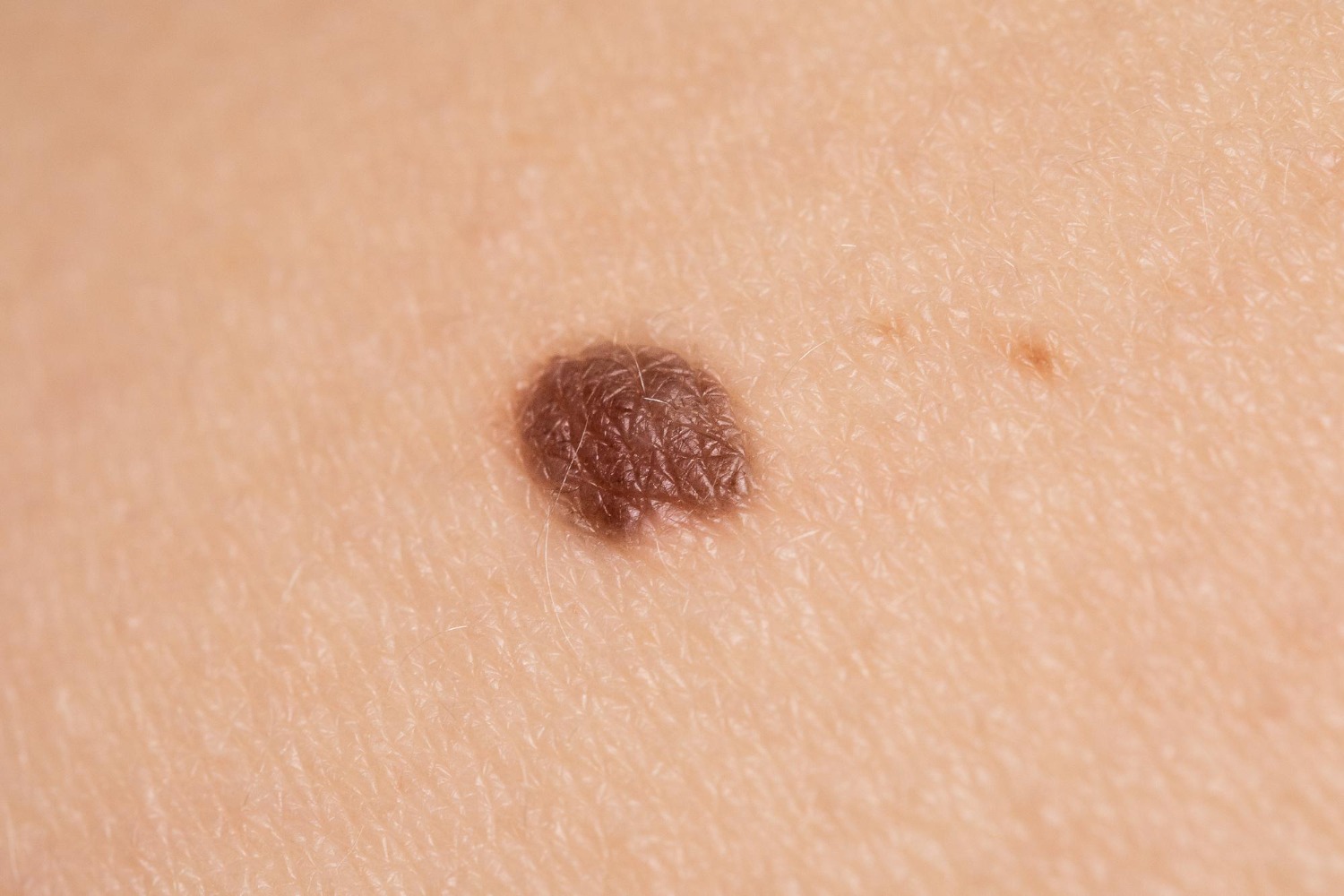
Have you ever spotted a new mole and wondered where it came from? It’s a common question that many people ask during routine skin checks. So, why do moles appear on the skin? Let’s clear it out.
Moles are incredibly common, and most people develop several throughout their lifetime. From genetics and hormones to sun exposure and ageing, several factors can influence the development of moles.
In this guide, we’ll explore why moles appear on the skin, why some people have more than others, and when it’s a good idea to seek professional advice for peace of mind.
New Mole? Here’s Why Moles Appear on the Skin and What They Mean
1. Genetics Often Determines the Number of Moles You Have
Sometimes, it’s simply in your DNA. If your parents or grandparents have numerous moles, there’s a good chance you’ll develop more as well.
In the clinic, it’s not unusual to see siblings with remarkably similar mole patterns.
Think of it this way: just as eye colour and hair type run in families, so can your tendency to develop moles.
2. Sun Exposure Can Encourage New Moles
Ultraviolet (UV) rays stimulate pigment cells in the skin. Over time, repeated exposure to sunlight can contribute to the appearance of new moles and changes in existing ones.
Areas that receive the most sun often develop more moles, including:
- Face
- Arms
- Back
- Shoulders
- Chest
3. Hormonal Changes Can Affect Mole Development
Hormones have a surprising impact on the skin. Many people notice changes in their moles during:
- Puberty
- Pregnancy
- Menopause
For instance, a woman may find that some moles become darker during pregnancy. This is usually normal, but any significant change should always be assessed by a skin professional.
4. Age Plays a Role
New moles commonly appear during childhood and early adulthood. By age 40, the formation of new moles becomes less common.
That’s why many dermatology specialists recommend paying particular attention to any new mole that develops later in life.
Other Factors That May Contribute to Moles
Besides genetics and sunlight, other influences include:
1. Fair Skin
People with lighter skin often develop more moles and are more susceptible to UV damage.
2. Family History
A strong family history of unusual moles or skin cancer may increase your risk and make regular skin checks even more important.
3. Immune System Changes
Certain medications and health conditions can influence mole development.
Practical Tips for Monitoring Your Skin
Keeping an eye on your skin doesn’t have to be complicated.
1. Protect Your Skin Daily
Simple habits make a difference:
- Use broad-spectrum SPF 30 or higher
- Wear hats and protective clothing
- Avoid excessive sun exposure
- Stay in the shade during peak hours
2. Perform Regular Self-Checks
Once a month, examine your skin from head to toe.
Pay attention to:
- New moles
- Existing moles that change
- Spots that itch, bleed, or become crusty
3. Take Photographs
Photographing moles every few months can help you track subtle changes that are easy to miss day to day.
Final Thoughts
Understanding why moles appear on the skin can help you feel more confident about changes in your skin. Genetics, hormones, age, and sun exposure all play a part, and most moles are entirely normal.
However, monitoring your skin and seeking expert advice when something changes is always a wise decision.
Concerned About a Mole or Noticed a Change? Contact Your Skin MK Today!
Don’t leave your skin health to guesswork. At Your Skin MK, we provide expert mole removal via cryotherapy, skin tag removal, treatment of actinic keratoses and seborrheic keratoses, minor surgery, and full-body skin checks to help you stay confident and proactive about your skin.
Looking for mole removal in Milton Keynes? Book your appointment with Your Skin MK today for the expert care your skin deserves!
Disclaimer: This content is for informational purposes only and is written by a professional content writer. Contact us to learn more about cryotherapy!


 indiee label
 KRK Jewels