Kyle Jeminson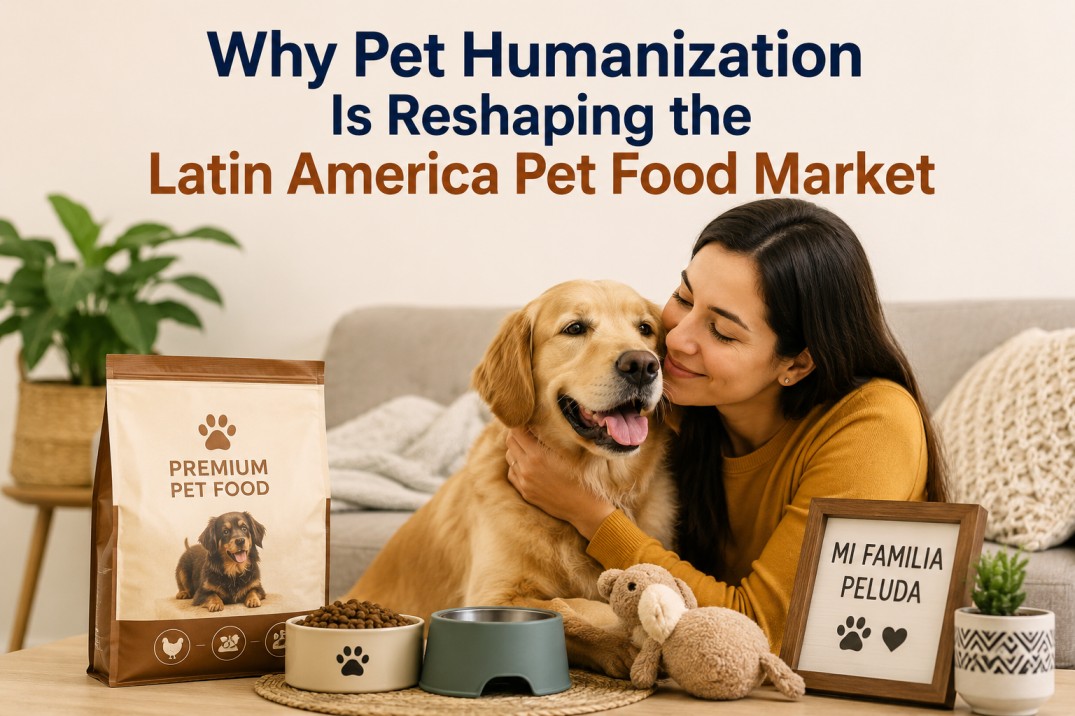
Across Latin America, the relationship between people and their pets is evolving rapidly. Dogs, cats, and other companion animals are increasingly viewed as members of the family rather than simply household pets. This cultural shift is transforming consumer spending habits and influencing demand for premium nutrition, specialized diets, and functional pet food products.
According to the study published by MarkNtel Advisors, the Latin America Pet Food Market is projected to grow at a CAGR of around 8.5% during 2024–2030, reflecting the growing importance of pet health, nutrition, and well-being across the region.
The market’s expansion aligns with broader global trends in pet ownership and animal welfare. The World Organisation for Animal Health (WOAH) has highlighted the growing recognition of animal well-being and responsible pet care as important aspects of modern society. As awareness increases, pet owners are becoming more attentive to the quality and nutritional value of the food they provide to their animals.
The Rise of Pet Humanization
Pet humanization has emerged as one of the most influential trends shaping the pet food industry. The concept refers to treating pets with the same care, attention, and emotional consideration typically given to family members.
As a result, consumers are increasingly looking beyond basic nutrition and seeking products that contribute to their pets’ overall health. This has encouraged demand for foods made with natural ingredients, higher-quality proteins, and formulations that address specific dietary needs. According to the Latin America Pet Food Market study, this trend is a key factor driving market growth across the region.
The shift is particularly evident among younger consumers and urban households, where pets often play a central role in daily life. Increased spending on pet nutrition, healthcare, and wellness products reflects this changing perception.
Rising Pet Adoption Supporting Market Growth
Another major factor contributing to market expansion is the increasing rate of pet adoption across Latin America. Growing urbanization, improving living standards, and greater awareness of the emotional benefits of pet companionship have encouraged more households to welcome pets into their families.
Research from the American Veterinary Medical Association (AVMA) emphasizes that companion animals can contribute positively to emotional well-being, social interaction, and quality of life. This growing appreciation for pet companionship has strengthened consumer willingness to invest in quality pet care products.
As pet populations continue to grow, demand for food products tailored to different breeds, life stages, and nutritional requirements is expected to increase accordingly.
Growing Demand for Premium Pet Food
Premiumization is becoming a defining characteristic of the Latin American pet food sector. Pet owners are increasingly willing to pay more for products that offer enhanced nutritional benefits, cleaner ingredient labels, and specialized formulations.
Premium pet foods often include:
- Natural ingredients
- Organic formulations
- High-protein recipes
- Breed-specific nutrition
- Functional ingredients targeting health concerns
The market study identifies rising premiumization as a significant opportunity for industry participants. As disposable incomes improve and awareness of pet nutrition increases, consumers are demonstrating greater interest in products that support long-term health and wellness.
This trend is encouraging manufacturers to expand their premium product portfolios and introduce innovative offerings designed to meet changing consumer preferences.
Functional Nutrition Gains Momentum
Beyond premium products, pet owners are increasingly seeking foods that provide targeted health benefits. Functional pet food has become one of the most important emerging trends in the region.
These products often contain ingredients such as probiotics, antioxidants, vitamins, and omega-3 fatty acids that support specific health outcomes, including:
- Digestive health
- Joint support
- Immune function
- Skin and coat health
- Healthy aging
The growing preference for functional nutrition reflects a preventive approach to pet healthcare. Rather than addressing health concerns after they arise, many pet owners are looking for dietary solutions that support long-term wellness. This trend is encouraging innovation throughout the industry and creating opportunities for differentiated product development.
The Food and Agriculture Organization (FAO) has also emphasized the importance of balanced nutrition in supporting animal health and welfare, reinforcing the increasing focus on quality pet diets globally.
Why Dogs Continue to Lead the Market
Among various pet categories, dogs account for the largest share of the Latin America Pet Food Market. The report attributes this dominance to increasing dog ownership and the strong influence of pet humanization.
Dog owners are becoming increasingly conscious of nutritional quality and are actively seeking products free from artificial additives, dyes, and unnecessary fillers. The demand for natural and nutrient-rich dog food products continues to rise as owners prioritize health and longevity.
Manufacturers are responding by launching products that feature premium ingredients, breed-specific nutrition, and specialized health benefits aimed at different stages of a dog’s life.
E-Commerce Expands Consumer Access
Digital transformation is also influencing how pet food is purchased throughout Latin America. While supermarkets and hypermarkets remain important sales channels, online platforms are gaining traction due to convenience, personalization options, and home delivery services.
The increasing adoption of e-commerce allows consumers to compare products more easily, access premium brands, and subscribe to recurring deliveries. This shift is expected to support market expansion by improving product accessibility across urban and emerging markets alike.
Conclusion
The Latin America Pet Food Market is being shaped by a combination of pet humanization, rising pet adoption, premiumization, and growing interest in functional nutrition. As consumers increasingly view pets as family members, demand is shifting toward higher-quality products that support overall health and well-being.
According to MarkNtel Advisors, the market is expected to grow at a CAGR of approximately 8.5% between 2024 and 2030. The continued focus on nutrition, wellness, and personalized pet care is likely to remain a central theme in the industry’s development, creating opportunities for innovation and long-term growth across the region.


 Jhon Kary
 nikita pawar