Kara Sherwood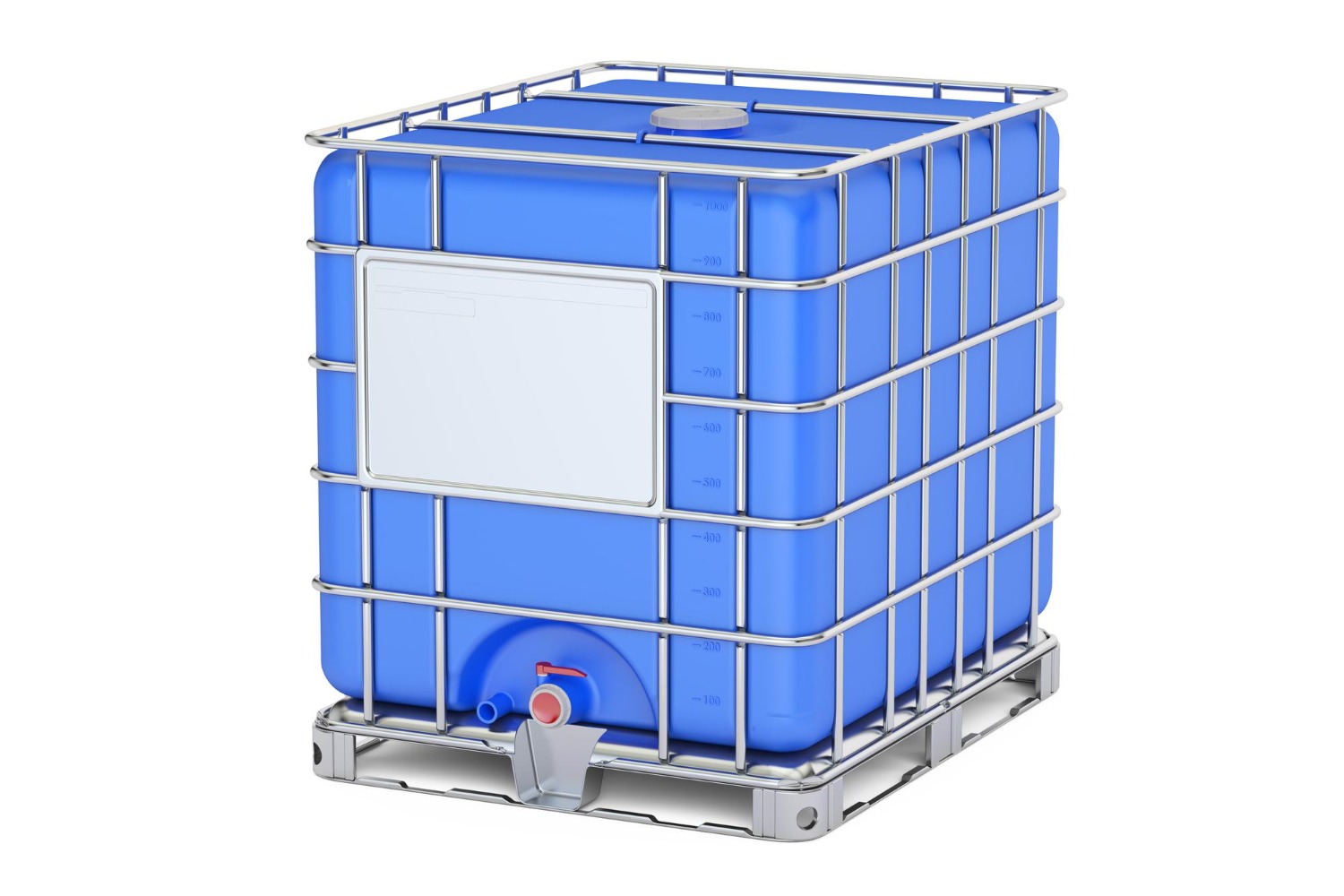
Bulk handling solutions are constantly adapting to meet supply chains’ needs for cost-effective, efficient transportation and storage solutions that maximise warehouse space. Liquid ingredients, chemicals, food products and industrial goods are often stored and transported in IBCs (Intermediate Bulk Containers). While a rigid container will always play an important role in logistics, a foldable IBC container is a great alternative for businesses looking to work smarter.
They offer unmatched space savings throughout the supply chain. Whether it’s the manufacturer, distributor, transport provider, or warehouse operator handling the container, reducing the physical footprint of an empty unit provides tangible efficiencies.
The problem of returning empty containers
In many industries, supply chains operate on closed-loop systems. This means that empty containers must be returned to their point of origin after deliveries have been completed. After dropping off their cargo, empty rigid containers still take up the same amount of space on return transports.
When transporting or storing bulk quantities of product, empty containers can quickly become costly and take up significant space. Trucks dedicated to returning empty containers are typically transporting more air than goods. This isn’t an efficient use of the vehicle and can drive up transportation costs over time.
Warehouse facilities can experience the same issues with empty containers. Storage space occupied by empties not ready for reuse could be allocated to holding active inventory or supporting production.
Manufacturers and distributors are always looking for ways to better utilise their space without losing productivity. One solution is to use fold-flat containers, drastically reducing the space required for each container in your operations.
How do collapsible systems stack up?
Foldable containers enable far greater empty-container density during transport and storage. By collapsing the container down after emptying, your business can transport or store many more containers in the same footprint.
The space savings also translate to lower costs associated with returning empty containers. Whether you achieve this by making fewer trips, consuming less fuel or increasing your transport capacity, these savings will add up over time – especially for businesses operating on a national scale.
Maximise warehouse capacity
Space in a warehouse is one of the most valuable assets that your business owns. The more effectively you can utilise this space, the more productive your operation can be. Typically, empty containers will take up racks or floor space within a warehouse until they are needed again. When these containers are foldable, they can often be stacked on top of each other, taking up significantly less room.
Foldable containers offer the added benefit of adapting to storage demand. Many bulk-material businesses, such as food ingredient suppliers or beverage producers, have peak seasons where warehouse storage is under high demand. The flexibility of a collapsible storage system will allow your business to adapt to these changes without expanding your warehousing requirements.
Decrease transportation costs
Transport costs are a large expense for most manufacturers and distributors. Between rising fuel prices, driver shortages and limited freight capacity, optimising your transportation management is critical to keeping costs down.
There are many ways collapsible containers can save on these costs. Less space is required on trailers during the return portion of the delivery process. By folding the units, logistics providers can fill more of their trailers during each delivery run. In some cases, they can be transported with other freight on backhaul journeys. This allows organisations to maximise fleet usage by limiting the number of trips made while empty.
If your business transports goods between regions or internationally, you will likely see significant reductions in transportation costs by switching to a collapsible container system.
Enable sustainable business practices
Companies today are required to consider their impact on the environment. By implementing collapsible storage into your bulk shipping process, you’re helping create a more sustainable future. In addition to reducing the number of transport movements required to return empty containers to their origin, they can also help reduce fuel consumption. Fewer transports equal less fuel used.
Businesses that switch to collapsible or reusable units also help the environment by limiting the use of single-use transport packaging. Instead of constantly buying and replacing cheap containers, a durable, reusable container can reduce environmental impact.
Allow for safer handling of goods
A safe working environment is important for every business. Implementing packaging that is difficult to handle can put your employees at risk. Whether it’s during transportation or in a warehouse, bulky containers can pose unnecessary risks.
Foldable containers are typically designed with built-in handling features. These can include designated spaces for forklift access, ease of stacking, and secure positioning during transport. By having a structured container design, your business is less likely to encounter unsafe handling situations.
Collapsible units also allow for better traffic flow within your warehouse facility and less clutter in your shipping and receiving areas means lower congestion. When warehouse employees don’t have to navigate around empty containers, they can perform their duties safely.
Businesses looking for smarter ways to handle bulk cargo are increasingly turning to foldable IBCs as a solution to fit within their overall reusable transport and storage strategies. Alongside pallets in Australia, they are helping many organisations improve supply chain handling efficiency.


 Dipak Straits