Jack Warner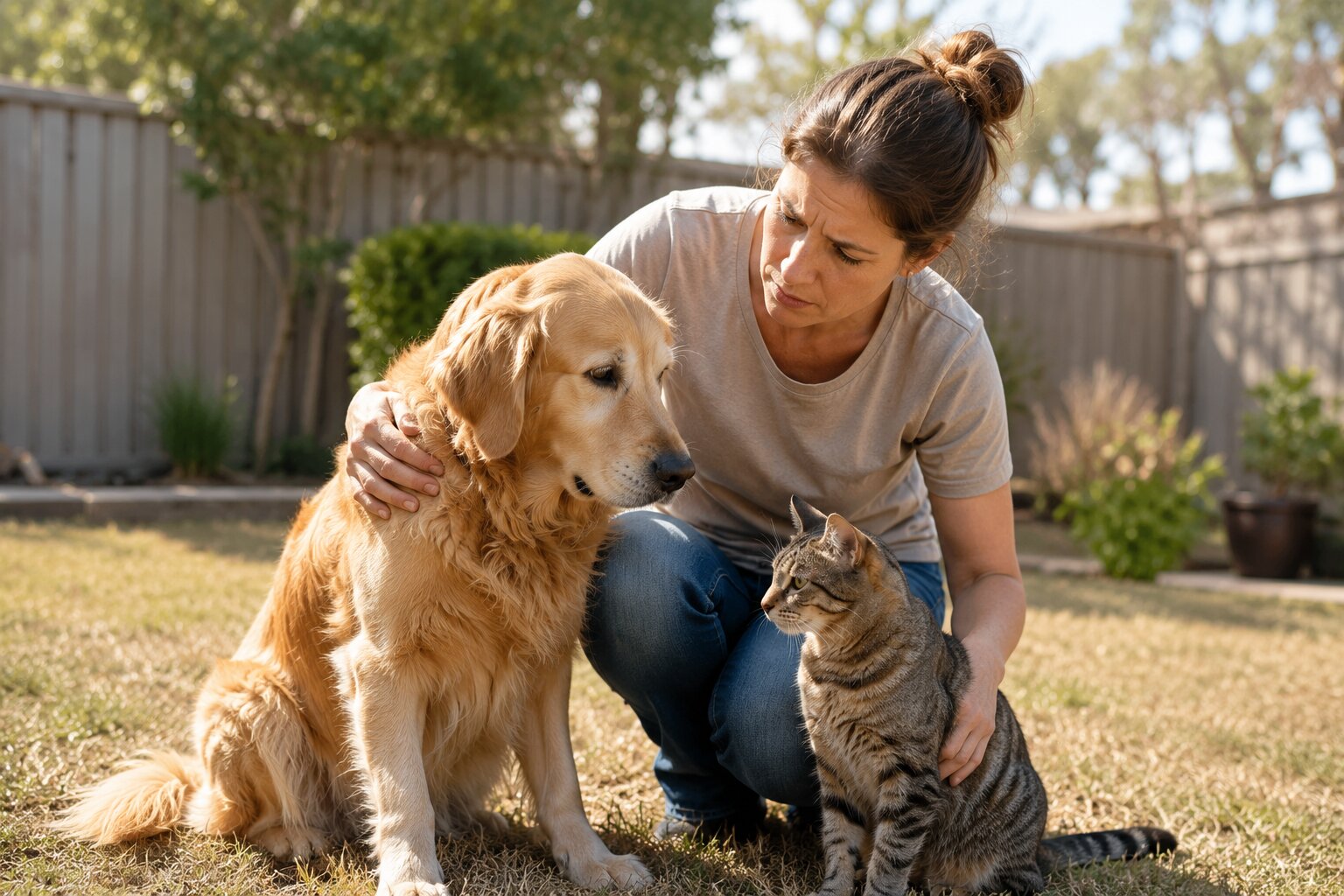
Most pet owners know their animals are curious by nature. Dogs sniff everything, cats investigate every corner of the garden, and both will investigate a dead animal without a second thought. What many owners do not realise is just how dangerous that brief encounter can be. A dead bird on the lawn, a decomposing possum under the back deck, or a rat that has died from baiting can each expose your pet to a range of serious health threats. If you have spotted a carcass near your home, prompt action through Dead Animal Removal Melbourne services is one of the most effective ways to protect your animals before they get too close.
Why Dead Animals Are More Dangerous Than They Look
A carcass that appears harmless on the surface is rarely so underneath. The moment an animal dies, its body begins to decompose, releasing bacteria, gases, and organic compounds that attract insects, parasites, and scavenger animals. For a pet that sniffs, licks, or chews a dead animal, the exposure to harmful pathogens can happen in seconds.
The danger is not limited to direct contact either. Fleas, ticks, and mites abandon a dead host very quickly, looking for the nearest warm body to latch onto. If your dog or cat walks near a carcass without touching it, they can still pick up parasites from the surrounding grass or soil.
Decomposition also contaminates the ground around the animal. Fluids from a decaying carcass leach into the soil, and pets that walk through the area and then lick their paws can ingest harmful bacteria without ever having touched the body directly.
Common Diseases Pets Can Catch From Dead Animals
Understanding the specific diseases involved makes the risk much more concrete. These are some of the most common and concerning illnesses that pets can contract through contact with dead animals in Australian conditions.
Salmonellosis is caused by Salmonella bacteria found in the gut and tissue of many animals, particularly birds and reptiles. Pets that consume or mouth a contaminated carcass can develop severe gastrointestinal illness, including vomiting, diarrhoea, lethargy, and loss of appetite. In young, elderly, or immunocompromised animals, salmonellosis can become life-threatening.
Leptospirosis is a bacterial infection spread through the urine and body fluids of infected animals, including rats, mice, and wildlife. It can survive in soil and water for extended periods, meaning your pet does not need to encounter a fresh carcass to be at risk. This disease can cause kidney and liver failure in dogs and is also transmissible to humans, making it a genuine household concern.
Toxoplasmosis is a parasitic infection commonly associated with cats. Cats that hunt and consume infected prey — including dead birds and rodents — can contract Toxoplasma gondii. While many cats show no obvious symptoms, the parasite can cause serious illness in pregnant cats and can also be passed to humans, posing particular risks to pregnant women.
Neosporosis primarily affects dogs and is caused by the parasite Neospora caninum. Dogs can become infected by consuming the tissue of animals that carry the parasite, including cattle, kangaroos, and other wildlife. It can cause severe neurological symptoms including hind limb paralysis.
Botulism is caused by a toxin produced by the bacterium Clostridium botulinum, which thrives in decomposing animal matter. Dogs that consume rotting carcasses are at real risk of botulism poisoning, which causes progressive muscle weakness and can be fatal without treatment.
The Risk From Baited or Poisoned Animals
One of the most underappreciated dangers in suburban and rural Australian areas is the risk posed by animals that have died from rodent bait or other poisons. When a rat or mouse consumes bait and dies, the poison remains active in its body. A pet that then eats or chews on the carcass can suffer secondary poisoning, even if they were never exposed to the bait directly.
The most common rodenticides used in Australia are anticoagulant poisons, which prevent blood from clotting properly. Secondary poisoning from these substances can cause internal bleeding in pets, which may not become obvious until days after exposure. Symptoms include unusual bruising, bleeding from the gums or nose, lethargy, and difficulty breathing.
This is one situation where using professional Pest Control Services alongside proper carcass removal is genuinely important. Addressing the source of the rodent problem while safely removing any dead animals reduces the ongoing risk to your pets significantly.
Signs Your Pet May Have Been Exposed
Catching a health problem early can make a significant difference to your pet’s outcome. If you suspect your dog or cat has come into contact with a dead animal, watch closely for the following symptoms in the hours and days that follow:
Vomiting or diarrhoea, particularly if persistent or bloody, should be taken seriously straight away. Sudden lethargy or weakness, especially in a normally energetic animal, is a warning sign worth acting on. Loss of appetite lasting more than a day warrants a call to your vet. Excessive drooling, difficulty swallowing, or muscle tremors can indicate toxin exposure. Swollen lymph nodes, fever, or laboured breathing all require urgent veterinary attention.
Do not wait to see if symptoms improve on their own. When it comes to bacterial infections and toxins, early treatment makes a real difference to recovery time and outcome.
What to Do If Your Pet Gets Too Close
If you catch your pet sniffing, licking, or eating a dead animal, act immediately. Call your pet away and check their mouth and face for any visible debris or fluid from the carcass. Rinse their muzzle with clean water if they have been in direct contact, and wash your own hands thoroughly.
Contact your vet and describe exactly what happened, including what type of animal it appeared to be, how long it may have been dead, and whether there is any chance it could have been poisoned. Your vet may recommend bringing your pet in for observation or a preventive course of treatment depending on the risk level.
Do not handle the carcass with bare hands. If you need to move it before professional help arrives, use thick disposable gloves and a sealed bag, and avoid touching your face or any surfaces until you have washed up properly.
How to Reduce the Risk for Your Pets
Prevention is always easier than treatment. Keeping your pets safe from dead animals involves a few consistent habits that make a real difference over time.
Check your yard regularly, particularly after storms or in areas where wildlife activity is common. Pay close attention to under decking, garden sheds, dense garden beds, and fence lines where animals tend to die out of plain sight. Keep your dog on a lead in areas where wildlife is present, and train a reliable recall so you can call them away quickly if they show interest in something on the ground.
Make sure your pets are up to date with their vaccinations and parasite prevention treatments. Regular worming, flea and tick prevention, and annual health checks all reduce your pet’s vulnerability to the diseases associated with dead animal contact.
If you find a carcass in or near your yard, do not leave it to decompose. Arrange for its safe removal promptly and keep your pets inside or away from the area until it has been fully cleared and the ground around it has been checked.
The Bottom Line
Dead animals pose a genuine and varied health risk to pets, ranging from bacterial infections and parasites to secondary poisoning from baited rodents. The risks are real regardless of whether your pet makes direct contact or simply passes through the area where a carcass has been. Staying alert, acting quickly when you spot a dead animal, and keeping up with your pet’s preventive health care are the most effective ways to keep them safe.


 Experiment Five
 what a story