Jeena Sikho HiiMS Hospital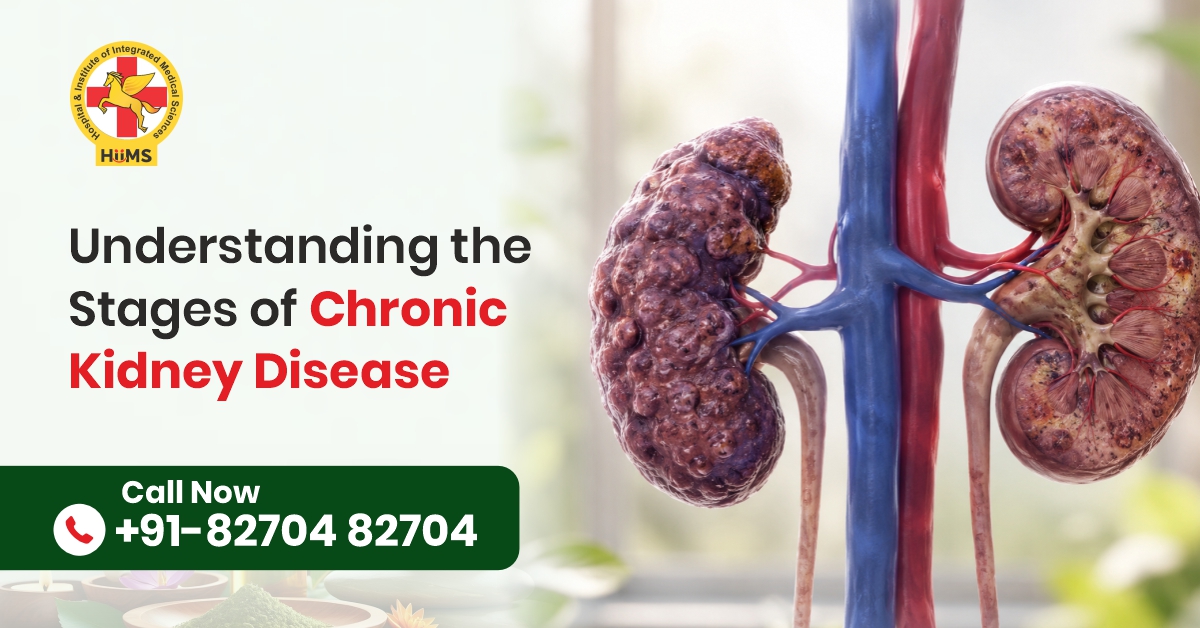
Kidneys perform hundreds of essential functions every day without drawing much attention. They filter waste products, remove excess fluids, regulate blood pressure, and help maintain the body’s overall balance. However, when kidney function gradually declines, it can lead to chronic kidney disease (CKD), a condition that often progresses silently before noticeable symptoms appear.
Many people discover kidney problems only after significant damage has occurred. This is why understanding the stages of chronic kidney disease is important. Early awareness can help individuals make informed decisions and take steps to support their kidney health before the condition advances.
Understanding Chronic Kidney Disease
Chronic Kidney Disease is a long-term condition in which the kidneys gradually lose their ability to filter blood effectively. The kidneys contain millions of tiny filtering structures called nephrons. These structures work continuously to remove toxins and waste products from the body.
Factors such as uncontrolled high blood pressure, diabetes, inflammation, and chemical toxicity can damage these filtering units over time. As kidney function decreases, waste materials begin to accumulate in the bloodstream, affecting various systems throughout the body.
To monitor kidney health, doctors use a measurement called the estimated Glomerular Filtration Rate (eGFR). This value helps determine how efficiently the kidneys are filtering blood and plays a key role in identifying the stage of Chronic Kidney Disease.
The Five Stages of Chronic Kidney Disease
Stage 1: Early Kidney Damage with Normal Function
Stage 1 is the earliest phase of Chronic Kidney Disease. Although there may be structural damage within the kidneys, their filtering ability remains normal, with an eGFR of 90 or higher.
Most individuals experience no obvious symptoms during this stage. In many cases, the condition is detected through routine urine testing or blood pressure monitoring.
Stage 2: Mild Decline in Kidney Function
Stage 2 occurs when kidney function begins to decrease slightly, with an eGFR ranging from 60 to 89.
Symptoms are generally absent, but the kidneys may already be working harder to perform their normal tasks. Early intervention and regular monitoring become important to help maintain kidney health and prevent further decline.
Stage 3: Moderate Kidney Function Loss
Stage 3 represents a noticeable reduction in kidney performance and is divided into two categories.
Stage 3A (eGFR 45–59):
Individuals may begin experiencing tiredness, mild discomfort near the kidney area, and slight swelling in the feet.
Stage 3B (eGFR 30–44):
As waste products continue to build up, symptoms may become more pronounced. Muscle cramps, swelling in the hands and ankles, and changes in urination frequency are commonly reported.
This stage highlights the importance of seeking proper kidney disease management before the condition progresses further.
Stage 4: Severe Kidney Damage
At Stage 4, kidney function becomes severely reduced, with eGFR levels between 15 and 29.
The kidneys struggle to remove toxins effectively and maintain fluid balance. Individuals may experience fatigue, nausea, reduced appetite, swelling, and a metallic taste in the mouth.
This stage often requires close medical supervision and comprehensive care strategies.
Stage 5: End-Stage Renal Disease
Stage 5 is the most advanced stage of Chronic Kidney Disease. Kidney function falls below an eGFR of 15, significantly limiting the kidneys’ ability to filter waste.
As toxins accumulate in the bloodstream, individuals may experience severe symptoms such as persistent vomiting, extreme fatigue, and shortness of breath caused by fluid buildup.
Understanding the condition at this stage is crucial for making informed treatment decisions.
A Holistic Perspective on Kidney Wellness
Supporting kidney health involves more than focusing solely on symptoms. A comprehensive approach that addresses nutrition, circulation, detoxification, and lifestyle habits may contribute to overall well-being.
At HiiMS, kidney wellness programs combine traditional Ayurvedic principles, naturopathy, and dietary support with the goal of encouraging the body’s natural healing mechanisms.
The GRAD System for Kidney Support
A key component of the HiiMS approach is the GRAD System, which includes three important elements:
Hot Water Immersion Therapy
This therapy involves immersing the body in warm water up to the neck. It is designed to encourage circulation, support fluid balance, and promote natural detoxification through sweating.
Head-Down Tilt Therapy
Patients lie on a specially designed bed positioned at a slight angle. This technique aims to support blood circulation toward the kidneys and encourage their natural functioning.
The GRAD Diet
The GRAD Diet focuses on fresh, plant-based foods while avoiding processed items. It typically includes:
- Hydrating fruits in the morning
- Fresh raw salads during the day
- Light millet-based meals in the evening
This dietary approach is designed to support digestion and reduce unnecessary metabolic burden on the body.
Ayurvedic Therapies and Herbal Support
To complement dietary and lifestyle modifications, HiiMS incorporates selected Ayurvedic therapies and herbal support.
Panchakarma Therapies
Therapies such as Nadi Sweda and Rakta Mokshana are used to support detoxification, circulation, and overall balance within the body. These practices are intended to help reduce stress on the body’s systems and promote wellness.
Traditional Ayurvedic Herbs
Several herbs are traditionally used to support kidney and urinary health:
- Punarnava helps support fluid balance and reduce swelling.
- Gokhru is commonly used to support healthy urinary flow.
- Varun helps maintain healthy urinary pathways and kidney function.
Healthy Lifestyle Habits for Kidney Care
Daily lifestyle choices can play an important role in supporting kidney health. Helpful practices may include:
- Following a regular sleep schedule
- Consuming natural, balanced meals
- Practicing breathing exercises
- Managing stress effectively
- Staying active throughout the day
- Spending time in natural surroundings
When combined with proper medical guidance, these habits can contribute to overall wellness and improved quality of life.
Conclusion
Chronic Kidney Disease develops gradually, often progressing through five stages before significant symptoms become apparent. Understanding these stages allows individuals to recognize warning signs early and take appropriate action.
From monitoring eGFR levels to adopting healthier lifestyle habits, every step taken toward kidney wellness matters. Through integrated approaches that combine Ayurveda, naturopathy, dietary support, and lifestyle modifications, individuals can focus on supporting their overall health and well-being.
For those seeking professional guidance, HiiMS offers personalized support and VOPD consultation services to help individuals better understand their kidney health and explore natural wellness strategies.

 Mark Dewson
 enfield abudhabi