jordan Manali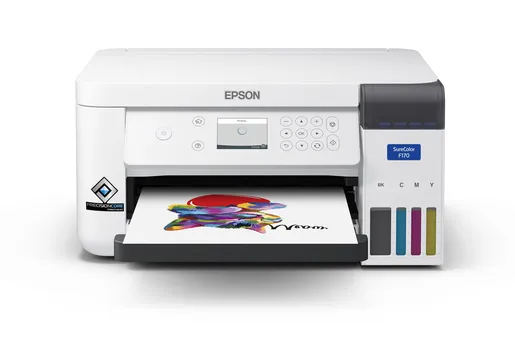
Creating custom t-shirts, colorful mugs, and personalized gifts is a highly profitable venture. However, you need the right hardware tools to ensure your designs look sharp and bright. Many beginners face a tough choice when shopping for new craft equipment.
They often debate between buying a machine built for the job or converting a standard office unit. This detailed comparison guide clarifies the major differences between modern factory options and older methods. You will learn how to choose the most efficient tool for your growing production needs.
The Rise of Purpose-Built Transfer Systems
For many years, creators had to modify standard office inkjet machines to create transfer prints. People would buy a basic desktop unit and fill it with third-party sublimation ink instead of regular ink. While this method works on a tight budget, it often causes major technical headaches.
The internal print heads on standard office models are not engineered to handle thick sublimation pigments. Consequently, the nozzles clog frequently, and users waste a massive amount of expensive supply material on test pages.
In contrast, the specialized Epson SureColor F170 Sublimation Printer offers a complete factory-ready solution right out of the box. This compact machine features a dedicated PrecisionCore printhead designed specifically to manage heavy transfer inks safely.
You do not have to perform messy cartridge hacks or download unofficial color profiles to start working. Therefore, your startup process becomes completely seamless, and your finished products look professional from day one.
Key Technical Differences You Need to Know
|
Feature |
Epson SureColor F170 Sublimation Printer |
Converted Traditional Inkjet |
|
Print Head Type |
PrecisionCore Dye-Sub Head |
Standard Office Inkjet Head |
|
Ink Compatibility |
Genuine Epson T49M Bottles |
Third-Party Sublimation Inks |
|
Factory Warranty |
Full 1-Year Coverage |
Voided Upon Conversion |
|
Color Profiles |
Built-In Driver Software |
Manual ICC Profile Setup |
Exploring the Advantages of Factory Engineering
Using a machine built strictly for transfer work saves you a lot of operational time. First, the ink delivery system is entirely sealed against floating dust and debris. Second, the machine includes specialized color management software that matches your screen colors to the fabric exactly.
Third, you receive a genuine manufacturer warranty that protects your hardware investment fully. If a mechanical part fails, you can get official support without any hidden fees.
Furthermore, the Epson SureColorSublimation Printer utilizes high-capacity ink bottles with convenient auto-stop tips. This smart design allows you to fill the ink tanks cleanly without spilling a single drop.
Traditional converted systems often require complex syringes and open ink reservoirs that create huge messes on your desk. By choosing a factory model, you keep your workspace clean and protect your clothing from permanent stains.
Understanding Media Handling and Material Size Restrictions
The physical size of your prints determines what kind of custom items you can produce. A standard compact sublimation unit manages sheets up to 8.5 inches wide easily. This size is absolutely perfect for creating full wraps on 20-ounce skinny tumblers, ceramic mugs, and mousepads.
You can also print beautiful designs for medium-sized t-shirts and custom tote bags without any issues.
However, if you plan to create giant fabric banners or all-over jersey prints, you might need a larger plotter printer system. A wide-format plotter printer uses large paper rolls instead of small individual sheets to handle massive commercial tasks.
If you only need to create small retail gifts, a desktop model keeps your workspace efficient. But, as your business expands, upgrading to a wide-format unit allows you to fulfill massive bulk orders quickly.
Why Color Management Defeats Manual Adjustments
Getting accurate colors on polyester fabrics can be incredibly difficult for beginners. Traditional color printers require you to install custom software files called “ICC profiles” manually. If you skip this technical step, your bright red designs might look muddy brown after pressing.
Troubleshooting these poor color results manually consumes a lot of your precious time and paper stock.
The advanced system inside the Epson SureColor F170 Sublimation Printer resolves this annoying problem entirely. The official print driver automatically calculates the exact ink saturation level for both soft and rigid materials.
This means your blues stay crisp and your pinks stay incredibly vibrant on every single transfer sheet. You get consistent, reliable results on every run, which helps you maintain excellent quality control for your customers.
Analyzing the Real Cost of Upkeep and Maintenance
Every mechanical printing system requires routine care to prevent the ink nozzles from drying out completely. Converted office printers usually require you to run daily head cleaning cycles to maintain clear lines.
These frequent cleaning cycles drain your ink supply rapidly and fill up your waste pads in a few months. Over time, the cost of wasted ink can easily surpass the initial price of the hardware.
- Low maintenance needs: The specialized factory printhead resists drying much better than standard office components.
- Ink efficiency: Built-in automated cleaning cycles use the minimum amount of fluid necessary to clear the lines.
- Replaceable maintenance tanks: You can swap out the waste container easily without throwing away the whole machine.
Therefore, investing in a genuine transfer unit reduces your long-term operating costs significantly. Your daily maintenance routine becomes simple, and your hardware remains ready to print even after sitting idle for a week.
Selecting the Perfect Setup for Your Workspace
Your final decision should depend on your daily production volume and technical comfort level. If you enjoy modifying hardware and want to spend the least amount of money upfront, a converted tank system can serve as a basic learning tool.
However, you must be prepared to handle frequent nozzle clogs and manual color adjustments constantly.
On the other hand, a dedicated desktop system is ideal for small business owners who need reliable daily output. For instance, the Epson SureColor Sublimation Printer provides commercial-grade reliability in a very small desktop footprint.
You do not need an advanced engineering degree to operate it safely every afternoon. If your business focuses on heavy blueprints or large line drawings, a dedicated wide machine from Plotterpro remains the superior choice for your office.
Conclusion
Choosing the right sublimation hardware determines how quickly your custom printing business can thrive. While converted office machines seem cheap at first, their constant maintenance issues often slow down your daily workflow.
Investing in a factory-built Epson SureColor F170 printer gives you accurate colors, reliable parts, and total peace of mind. For larger industrial needs or wide document printing, a professional plotter printer is the best long-term asset. Check out the high-quality options at Plotter Pro today to find the perfect machinery for your creative goals.
Frequently Asked Questions
Q1: Can I use regular inkjet paper in the Epson sublimation printer for transfers?
A1: No, you should always use high-quality dye-sublimation transfer paper. Regular paper absorbs fluid too deeply, while the factory-approved paper allows the ink to release fully onto your blanks when heated.
Q2: What happens if I put third-party ink into my Epson SureColor F170 sublimation printer?
A2: Using non-original ink can clog the delicate PrecisionCore head and will void your factory warranty completely. Always use genuine Epson T49M ink bottles to keep your prints looking perfect and protect your hardware.
Q3: Is a wide-format plotter printer better than a compact Epson SureColor F170 sublimation printer for shops?
A3: It depends entirely on your design sizes. A compact unit handles standard chest graphics easily, but a wide plotter printer is required if you want to print large, all-over patterns across entire garments.
Q4: How do I prevent the Epson SureColor F170 Sublimation Printer from clogging if I do not use it every day?
A4: Keep your system plugged in and powered on constantly. The internal computer runs short, automatic maintenance cycles every few days to keep the fluid moving safely through the nozzles without wasting supplies.
Q5: Can the Epson SureColor F170 Sublimation Printer handle printing tasks on dark cotton shirts?
A5: No, dye-sublimation hardware requires polyester fabrics or specially coated rigid blanks to work correctly. The ink binds chemically to plastic polymers, so it will wash out completely from standard dark cotton garments.


 Ethan Brot
 Dhanu Shree