Carla Jansy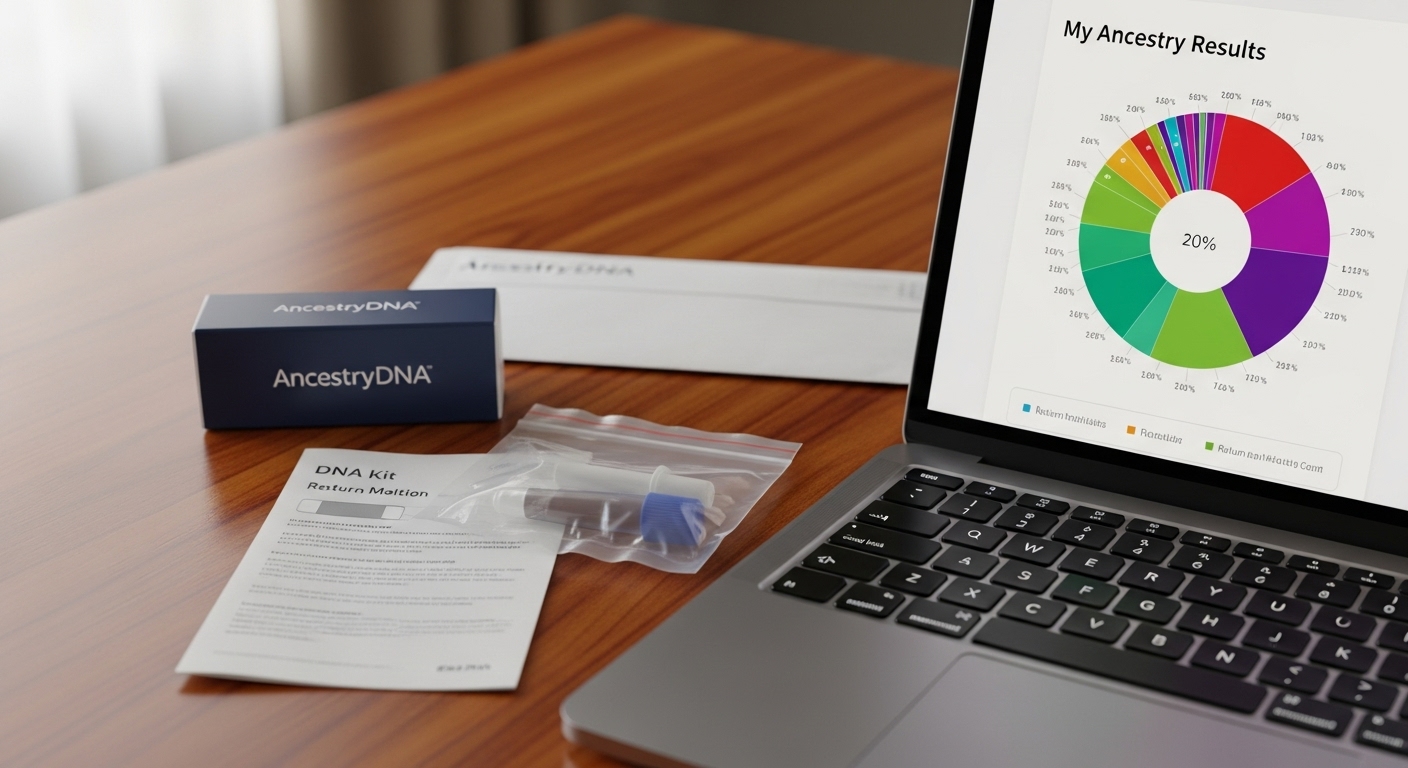
How Do DNA Ancestry Tests Work?
Most ancestry tests examine small pieces of your DNA and match them to genetic databases that have samples from people all over the world. The idea behind it is simple: the more DNA matches you have with people from a certain area, the more likely it is that your ancestors came from that area. Expert formulas are used by DNA testing services to guess these numbers and make detailed family reports.
While the science behind ancestry testing may sound straightforward, there’s a lot of complexity in how DNA is interpreted. Every individual inherits 50% of their DNA from each biological parent, but the mix of genetic markers passed down is random. Over generations, certain markers can be lost or diluted, meaning your DNA might not perfectly represent every branch of your family tree. This is why some family connections may not appear in your report, even if they exist in historical records.
The Role of Genetic Databases in Accuracy
The accuracy of any accurate DNA ancestry test near me depends a lot on the size and diversity of the genetic database it uses. Most of the time, more accurate results can be found in larger databases with samples from many areas. It might be harder to find exact family roots if a collection does not contain many samples from some parts of the world. This means that your test may not be very accurate in some places but very accurate in others.
Accuracy and Strength of Scientific Testing
Ancestry testing is not perfect, even though DNA science has come a long way. Even the most trustworthy DNA testing services do not guarantee that they will tell you everything you need to know about your family tree. It can be hard to tell one ancestry from another because of things like population movement, genetic overlap between nearby areas, and mixed marriages in the past. Results are usually rough estimations rather than accurate numbers.
Variations Between Testing Companies
Since each company uses its own formulas and reference groups, the results may be a little different. Some businesses may place a 30% Italian heritage estimate, while others may place a 25% estimate. There is no right or wrong answer; there is just a difference in how the data is studied. So, people looking for an accurate DNA ancestry test near me might want to look at data from more than one company to get a better result.
Why Accuracy Improves Over Time?
Better and better DNA tests are being made every year, which is good news. The accuracy of your family report can improve as DNA testing services add to their files and improve their technology. A lot of companies will even automatically update your results when new information comes in, so you can see more accurate estimates of your ancestry without having to take another test.
What “Accuracy” Really Means?
Keep in mind that these tests don’t make a straight family tree map. Instead, they look at DNA traits and connect them to groups. The theoretical likelihood that your DNA segments are linked to certain places is called accuracy. In this case, a finding showing 40% Irish ancestry could mean that those DNA regions are most likely to be found in people with an Irish background in the company’s database.
Making the Most of Your Results
If you want to get the most out of your ancestry test, you should take it along with family stories, history records, and genealogy study. That way, you can make sure patterns are correct and get information that DNA alone can’t give you. Even though your ancestry report is very useful, it’s best to use it with other sources of data.
Looking for The Best DNA Testing Services?
You find the best medical center for DNA testing in the US, which is the most reputable in its facilities. This center is Face DNA, which provides the most accurate and clear results for any type of DNA testing. You can completely rely on their services, whether you want to resolve personal issues, legal matters, or forensic matters.
Conclusion
DNA testing services have made it easier for people to learn about their roots and connect with their past. Even though no test can claim 100% accuracy, knowing how they work and what affects the results can help you trust what your DNA report says. The tests will get better over time as records grow and science makes more progress. They will better show who we are and where we come from.


 rajdeep Singh
 Daniel Jack