HBOTLAB India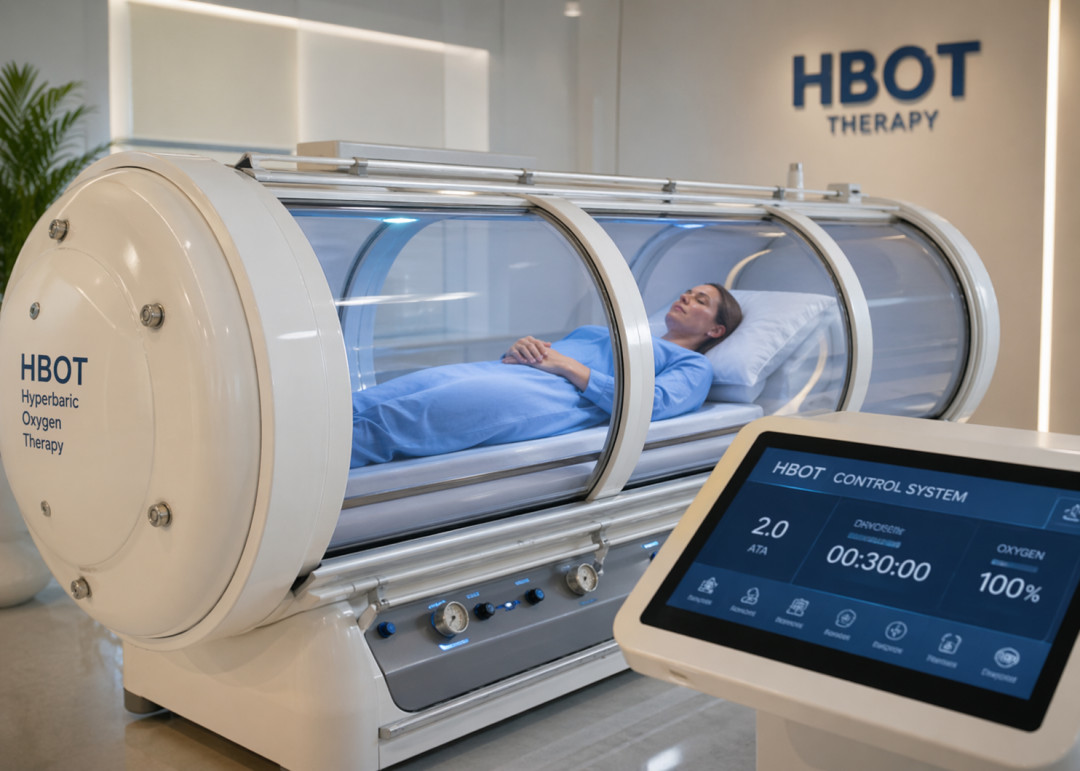
Hyperbaric Oxygen Therapy, often shortened to HBOT, has steadily moved from niche medical treatment to a widely discussed recovery and wellness option. From wound care centers to sports recovery clinics, its presence is growing—but many people still ask a simple question: how does HBOT Work?
At HBOTLAB, we frequently meet individuals who are curious yet cautious. Some have heard it helps wounds heal faster. Others associate it with divers and decompression sickness. The reality is broader, more nuanced, and rooted in well-established physiological principles.
This piece unpacks the science, process, and applications of HBOT in a way that speaks to both professionals and curious learners.
What Is Hyperbaric Oxygen Therapy?
Hyperbaric Oxygen Therapy involves breathing pure oxygen in a pressurized environment. This environment is typically a chamber—either a single-person (monoplace) unit or a multi-person (multiplace) system.
Under normal conditions, the air we breathe contains about 21% oxygen, and our lungs transfer this oxygen into the bloodstream where it binds to hemoglobin. That oxygen is then transported to tissues throughout the body.
HBOT changes two key variables:
- Oxygen concentration increases to nearly 100%
- Atmospheric pressure increases to 1.5–3 times higher than normal
This combination allows oxygen to dissolve directly into plasma, cerebrospinal fluid, and other body fluids—not just hemoglobin.
The Science Behind HBOT Work
To truly grasp how HBOT Work influences healing, it helps to look at what happens at the cellular and vascular levels.
1. Oxygen Dissolution Beyond Hemoglobin
Under higher pressure, oxygen dissolves more efficiently into blood plasma. This means oxygen can reach areas with compromised blood flow—regions where red blood cells may struggle to reach.
For professionals, this aligns with Henry’s Law, which states that the amount of gas dissolved in a liquid is proportional to its pressure.
2. Enhanced Tissue Oxygenation
Tissues that are hypoxic (low in oxygen) struggle to repair themselves. HBOT increases oxygen gradients, allowing diffusion deeper into damaged or inflamed tissues.
This supports:
- Cellular metabolism
- ATP production
- Tissue regeneration
3. Angiogenesis Stimulation
One of the most impactful aspects of HBOT Work is its ability to promote angiogenesis—the formation of new blood vessels.
Repeated sessions stimulate:
- Growth factor release (like VEGF)
- Capillary budding in oxygen-deprived tissues
This is especially important in chronic wounds and ischemic conditions.
4. Anti-Inflammatory Effects
HBOT reduces inflammation by:
- Decreasing pro-inflammatory cytokines
- Modulating immune response
- Reducing edema through vasoconstriction (without compromising oxygen delivery)
This paradox—vasoconstriction alongside improved oxygenation—is one of the therapy’s most fascinating mechanisms.
5. Antibacterial and Immune Support
Certain bacteria, particularly anaerobic strains, struggle to survive in oxygen-rich environments. HBOT enhances:
- White blood cell activity
- Oxidative killing mechanisms
- Antibiotic effectiveness in some cases
What Happens During an HBOT Session?
For someone new, the experience can feel unfamiliar but is generally straightforward.
Step-by-Step Experience
- Pre-session Preparation
Patients wear cotton clothing and avoid flammable materials. Vital signs may be checked beforehand. - Entering the Chamber
The individual lies or sits comfortably inside the chamber. In multiplace chambers, multiple patients may be treated simultaneously. - Pressurization Phase
Pressure gradually increases. Many people feel a sensation similar to airplane ear pressure. Equalizing techniques like swallowing or yawning help. - Oxygen Breathing Phase
Pure oxygen is delivered, either through the chamber environment or via a mask/hood system. - Session Duration
Sessions typically last 60–120 minutes, depending on the protocol. - Decompression Phase
Pressure slowly returns to normal, ensuring safety and comfort.
Medical Applications of HBOT
HBOT is not just experimental or alternative—it has established clinical uses approved by regulatory bodies worldwide.
Common Indications
- Decompression sickness (DCS)
- Carbon monoxide poisoning
- Chronic non-healing wounds (e.g., diabetic foot ulcers)
- Radiation tissue damage
- Severe infections (like necrotizing fasciitis)
- Crush injuries and compartment syndrome
In these cases, HBOT Work is often integrated into a broader treatment plan rather than used as a standalone solution.
Expanding Interest: Wellness and Performance
Beyond traditional medical uses, HBOT is gaining traction in performance and wellness circles.
Areas of Growing Interest
- Athletic recovery
- Cognitive support
- Fatigue management
- Skin health and anti-aging
While research is still evolving in these areas, anecdotal and early clinical data suggest potential benefits. Professionals remain cautious, emphasizing evidence-based use.
HBOT and Brain Function
One of the more intriguing areas is the brain’s response to hyperbaric oxygen.
Neuroplasticity and Oxygen
HBOT Work may support neuroplasticity—the brain’s ability to reorganize and form new neural connections.
Studies have explored its role in:
- Traumatic brain injury (TBI)
- Stroke recovery
- Cognitive decline
Increased oxygen availability can:
- Improve mitochondrial function
- Enhance neuronal repair
- Support synaptic activity
Though results vary, this area continues to attract research attention.
Safety and Considerations
HBOT is generally safe when administered correctly, but it’s not without considerations.
Potential Side Effects
- Ear discomfort or barotrauma
- Temporary vision changes
- Oxygen toxicity (rare under controlled protocols)
- Claustrophobia in some individuals
Who Should Avoid HBOT?
Certain conditions require caution or exclusion:
- Untreated pneumothorax
- Certain lung diseases
- Recent ear surgery
- Specific medications that may interact with oxygen therapy
At HBOTLAB, patient screening is a critical step before initiating any protocol.
How Many Sessions Are Needed?
The number of sessions depends on the condition being treated.
- Acute conditions: fewer sessions, sometimes urgent
- Chronic conditions: 20–40 sessions or more
- Wellness use: varies widely
Consistency plays a major role. The effects of HBOT Work often build over time rather than appearing after a single session.
HBOT Chambers: Types and Technology
Monoplace Chambers
- Designed for one person
- Typically pressurized with pure oxygen
- Clear acrylic structure for visibility
Multiplace Chambers
- Accommodate multiple individuals
- Pressurized with air; oxygen delivered via masks
- Supervised by medical staff inside or outside
Advancements in chamber design have improved comfort, safety, and accessibility.
The Role of HBOTLAB
At HBOTLAB, the focus is on combining clinical precision with patient-centered care. The aim is not just to deliver oxygen therapy but to ensure it aligns with each individual’s health goals.
Key priorities include:
- Evidence-based protocols
- Skilled supervision
- Transparent communication
- Continuous monitoring and evaluation
HBOT Work is most effective when applied thoughtfully, not generically.
Myths and Misconceptions
“HBOT is only for divers”
While it began with decompression sickness, its applications now span multiple medical fields.
“More oxygen is always better”
Excess oxygen without proper control can be harmful. HBOT relies on precise dosing—pressure, duration, and frequency all matter.
“One session is enough”
Healing processes take time. Expecting immediate transformation often leads to disappointment.
What to Expect After Sessions
Responses to HBOT vary.
Some individuals report:
- Increased energy
- Better sleep
- Reduced pain or inflammation
Others notice gradual improvements over multiple sessions. Tracking progress is essential, especially for clinical conditions.
Future Directions in HBOT
Research continues to explore new possibilities:
- Stem cell mobilization
- Aging and longevity science
- Mental health support
- Enhanced recovery protocols for surgery
As technology evolves, so does the understanding of how HBOT Work can be optimized across different fields.
Final Thoughts
Hyperbaric Oxygen Therapy is not a quick fix or a universal solution. It’s a scientifically grounded intervention with specific mechanisms and measurable effects.
The real value lies in how it is applied—tailored protocols, proper supervision, and realistic expectations.
For those considering this therapy, asking the right questions matters:
- What is the goal of treatment?
- Is there clinical evidence for this use?
- How will progress be measured?
At its core, HBOT Work is about leveraging oxygen—one of the body’s most fundamental elements—in a way that enhances natural healing processes.
HBOTLAB remains committed to advancing both awareness and application, ensuring that this therapy is used with clarity, responsibility, and precision.


 SLA Medical Clinic
 Ahmad hassan