enfield abudhabi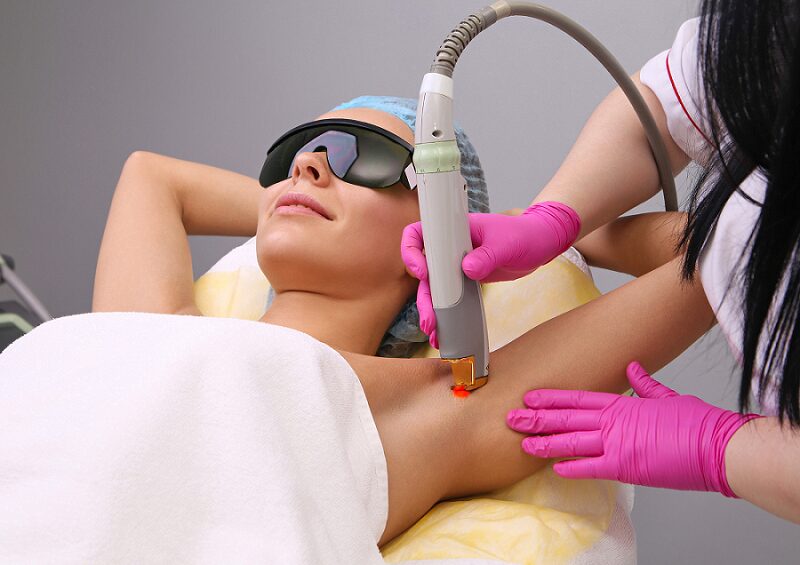
Laser hair removal has revolutionized the way we approach grooming and personal care. For decades, traditional methods like shaving, waxing, and epilating were the only options available, often leading to temporary results and skin irritation. However, modern technology has introduced a more permanent solution that targets the root of the problem—literally. Understanding the science behind this treatment is essential for anyone looking to achieve long-term smoothness.
When considering Laser Hair Removal in Abu Dhabi, many individuals are seeking a balance between lifestyle convenience and advanced dermatological care. The process relies on a principle known as selective photothermolysis, which uses specific wavelengths of light to disable hair follicles without damaging the surrounding skin tissue. This sophisticated method ensures that the reduction in hair growth is both effective and precise, catering to various skin types and hair textures.
The Biological Mechanics of Hair Growth
To understand how lasers reduce hair, one must first understand how hair grows. Hair growth occurs in a continuous cycle consisting of three distinct phases. The success of any light-based treatment is heavily dependent on which stage the hair is in during the session.
The Anagen Phase: The Growth Stage
The Anagen phase is the most critical stage for laser treatments. During this time, the hair bulb is actively producing hair fibers and is firmly attached to the follicle’s blood supply. Because the hair is rich in melanin and physically connected to the root, the laser can effectively channel energy down the shaft to neutralize the follicle’s ability to regenerate.
The Catagen Phase: The Transition Stage
In the Catagen phase, the hair follicle begins to shrink and detaches from the dermal papilla. This is a short transitional period where growth stops. Since the hair is no longer “plugged into” the source of growth, laser energy delivered during this phase is less likely to result in permanent follicle deactivation.
The Telogen Phase: The Resting Stage
The Telogen phase is when the hair is completely dormant. Eventually, the old hair sheds, and the cycle begins again with a new Anagen hair. Because there is no active growth or strong connection to the follicle base, lasers are generally ineffective during this period, which is why multiple sessions are required to catch every hair in its active state.
-
Hair grows in three cycles: Anagen, Catagen, and Telogen.
-
The Anagen phase is the only time the hair is physically connected to the follicle’s growth center.
-
Laser energy must reach the follicle during the Anagen phase for effective reduction.
-
Because not all hairs are in the same phase at once, a single session cannot target 100% of the hair.
How Laser Technology Targets the Follicle
The core of laser hair removal is the use of concentrated light energy. This light is not just any light; it is a specific wavelength designed to be absorbed by pigment. In the context of hair removal, that pigment is melanin, which gives hair its color.
Selective Photothermolysis Explained
Selective photothermolysis is the technical term for “using light to heat and destroy a specific target.” The laser emits a beam that passes through the skin and is absorbed by the melanin in the hair. This light energy is instantly converted into heat. This heat travels down the hair shaft to the follicle, where it causes thermal damage to the cells responsible for growing new hair.
The Role of Melanin in the Process
Melanin acts as a conductor for the laser’s energy. Darker, coarser hair typically contains more melanin, making it an ideal target for the laser. Modern advancements have allowed for different types of lasers—such as Nd:YAG or Diode—to safely treat a wider variety of skin tones by adjusting how the light interacts with the melanin in the skin versus the hair.
Protecting the Surrounding Skin
A common concern is how the skin remains unharmed while the follicle is destroyed. This is achieved through “pulse duration.” The laser is active for just long enough to heat the hair but not long enough for that heat to dissipate into the surrounding skin tissue. Additionally, many systems use cooling mechanisms to keep the surface of the skin comfortable and protected throughout the process.
-
Concentrated light energy is converted into thermal energy (heat).
-
Melanin in the hair shaft absorbs the light, acting as a guide to the root.
-
The heat disables the germinative cells within the hair follicle.
-
Advanced cooling technologies ensure the skin remains unaffected by the heat.
The Progression of Hair Reduction
It is a common misconception that hair disappears instantly and never returns after one session. In reality, laser hair removal is a progressive treatment. The reduction in growth happens in stages, leading to finer, lighter, and more sparse hair over time.
Immediate Post-Treatment Changes
Following a session, the hair may appear to be growing as usual. However, after about one to two weeks, these hairs will begin to “shed.” This isn’t new growth, but rather the treated hairs being pushed out of the follicle as it begins to close. During this time, the skin starts to feel smoother, and the density of the hair begins to decrease.
Changes in Hair Texture and Color
As you progress through a series of treatments, the hairs that do manage to grow back are significantly altered. Because the follicle has been partially damaged but perhaps not fully neutralized, the hair it produces will be much finer and lighter in color. This makes the remaining hair much less noticeable and easier to manage.
Long-Term Growth Inhibition
With each subsequent session, a new percentage of follicles are placed into a state of permanent dormancy. Eventually, the majority of follicles in the treated area are no longer capable of producing hair. While some dormant follicles may reactivate years later due to hormonal shifts, the overall reduction remains significant and long-lasting.
-
Initial results involve the shedding of treated hairs within two weeks.
-
Subsequent growth appears thinner, softer, and lighter than before.
-
The density of hair follicles decreases with every consecutive treatment.
-
The goal is to move the area from “active growth” to “long-term dormancy.”
Factors Influencing Treatment Efficacy
Not every individual will have the same experience with laser hair removal. Several biological and environmental factors play a role in how quickly and effectively the laser can reduce hair growth.
Hair Color and Thickness
Because the laser targets melanin, the contrast between the hair color and skin color is a major factor. Dark hair on light skin is the easiest to treat because the laser can clearly “see” its target. Very light, red, or grey hairs contain little to no melanin, making them much more challenging to treat with standard laser technology.
Skin Tone Adaptations
In the past, individuals with deeper skin tones faced challenges with laser treatments. However, the development of the Nd:YAG laser has changed this. This specific wavelength bypasses the melanin in the skin’s surface and travels deeper to the follicle, making the process safe and effective for a broader range of complexions.
Hormonal Influences
Hormones play a massive role in where and how hair grows on the body. Areas like the face, which are more sensitive to hormonal fluctuations, may require more sessions than areas like the legs. Conditions that affect hormone levels can sometimes stimulate new follicles to grow hair, even after successful laser treatments.
-
Contrast between hair and skin color affects how easily the laser identifies the follicle.
-
Newer laser wavelengths allow for safe treatment across all skin tones.
-
Coarse hair generally responds more quickly to treatment than fine “peach fuzz.”
-
Hormonal balance can influence the number of sessions required for total satisfaction.
Why Multiple Sessions are Necessary
The requirement for multiple sessions is perhaps the most important aspect of the laser hair removal journey. It is not a limitation of the technology, but rather a necessity of human biology.
Synchronizing with the Growth Cycle
As established, the laser only works effectively on hair in the Anagen phase. At any given time, only about 15% to 20% of the hair on your body is in this phase. Therefore, one session can only target that specific percentage. By spacing treatments out, usually every 4 to 8 weeks, you allow the hairs that were dormant during the last session to enter the active growth phase.
Achieving Complete Coverage
The goal of a full treatment course is to eventually “catch” every single hair in its Anagen phase. Over a series of 6 to 10 sessions, the laser will have had the opportunity to target almost every follicle in the treatment area while they were connected to the root.
Maintenance and Touch-ups
After a full course, most people experience a 80% to 90% reduction in hair. To maintain these results, an occasional touch-up session once or twice a year might be recommended. This addresses any rogue follicles that may have been in a long-term dormant state or have reactivated due to natural body changes.
-
Only a small percentage of hair is in the “treatable” phase at any time.
-
Consistent scheduling ensures every follicle is eventually targeted.
-
Multiple sessions ensure the highest possible percentage of hair reduction.
-
Maintenance sessions help manage any new follicles that activate over time.
FAQs
How long does a typical session take?
The duration of a session depends entirely on the size of the area being treated. Small areas like the upper lip or underarms may take only 5 to 10 minutes, while larger areas like the back or full legs can take 30 to 60 minutes.
Can I shave between treatments?
Yes, shaving is actually encouraged between sessions. Unlike waxing or plucking, shaving does not remove the hair root. Since the laser needs the root to be present to work, shaving is the only recommended method for managing hair between appointments.
Is the treatment suitable for all body areas?
Laser hair removal is versatile and can be used on almost any part of the body where unwanted hair grows. Common areas include the face, legs, arms, bikini line, back, and chest. It is safe for both sensitive areas and larger surface areas.
What should I do to prepare for my session?
Preparation usually involves shaving the area 24 hours before your appointment. It is also important to avoid sun exposure and tanning products for several weeks prior, as the laser works best when there is a clear distinction between the skin and the hair pigment.

 Laser treatment
 Mark Johansan