Harrison Mayrhofer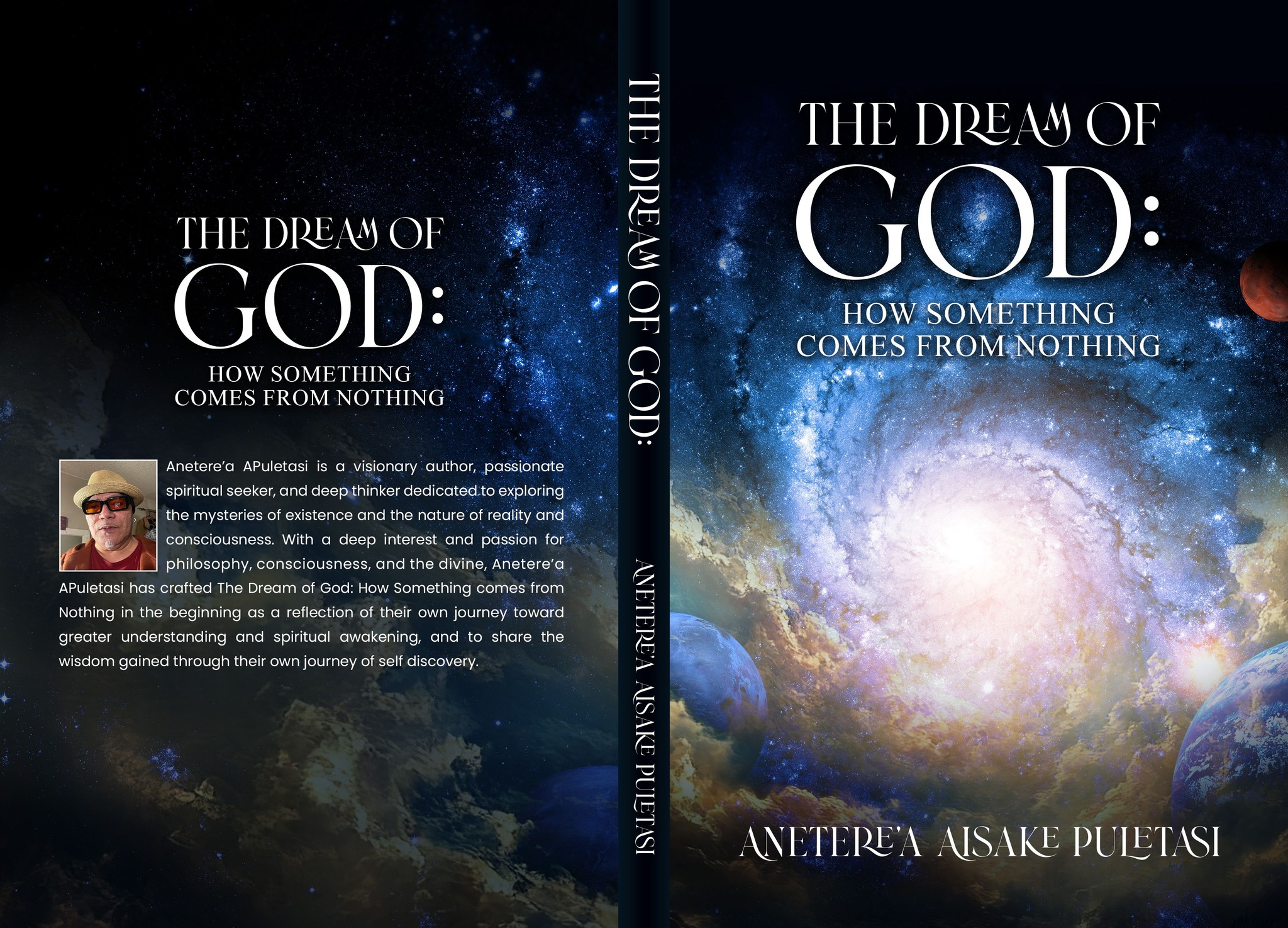
Questions about existence, consciousness, and the origin of reality have fascinated humanity for centuries. While science continues to uncover remarkable insights about the universe, many mysteries remain unanswered. The Dream of God: How Something Comes From Nothing by Son of Man enters this space with a thought-provoking perspective that blends spiritual reflection, philosophical inquiry, and cosmological curiosity. Rather than offering definitive answers, the book invites readers to explore deeper questions about the nature of reality and the possibility that existence itself is connected to a greater form of awareness.
Introducing The Dream of God
The Core Philosophy Behind the Book
At the heart of The Dream of God: How Something Comes From Nothing, Son of Man explores a compelling idea: what if the foundation of reality is not matter alone, but consciousness itself? The book challenges conventional assumptions about existence by examining the relationship between nothingness, creation, and divine awareness.
Instead of viewing science and spirituality as opposing forces, the author presents them as different approaches to understanding the same mystery. This perspective creates a framework where ancient wisdom and modern cosmology can coexist, encouraging readers to think beyond traditional boundaries.
For those interested in spiritual philosophy, consciousness studies, and existential questions, the book offers an engaging exploration of ideas that have shaped human thought for generations.
Exploring the Mystery of Existence
One of the most intriguing aspects of the book is its willingness to address questions that remain difficult to answer. What existed before time? What came before light? How did something emerge from what appears to be nothing?
Rather than treating these questions as purely scientific puzzles, Son of Man approaches them as gateways to deeper understanding. The narrative encourages readers to consider whether existence itself may be connected to a larger, conscious reality.
This approach transforms the book from a simple philosophical discussion into a broader exploration of human curiosity and the search for meaning.
The Concept of Divine Consciousness
Reality as a Living Expression of Awareness
A central theme throughout The Dream of God is the idea of divine consciousness. The book suggests that awareness may not simply be a product of physical processes but could represent a fundamental aspect of reality itself.
This perspective invites readers to reconsider their relationship with the universe. If consciousness exists at the foundation of existence, then reality may be more interconnected than it first appears.
The discussion aligns with broader conversations within philosophy of consciousness and spiritual awakening, making the book relevant to readers interested in both intellectual and personal exploration.
By examining consciousness as something universal rather than individual, the author opens the door to a different way of understanding identity, purpose, and existence.
The Universe as a Divine Dream
One of the book’s most distinctive ideas is the possibility that reality functions as a deliberate dream of divine consciousness. This concept serves as both a philosophical thought experiment and a spiritual framework for understanding existence.
In this vision, the universe is not random or disconnected. Instead, every aspect of creation exists within a larger expression of awareness. The metaphor of a divine dream encourages readers to reflect on their own role within reality and consider how individual experience may connect to something greater.
Rather than presenting the concept as a rigid doctrine, Son of Man uses it as an invitation to explore the deeper dimensions of existence and perception.
The Meaning of Nothingness in the Book
Why “Nothing” Is Not Truly Empty
The title The Dream of God: How Something Comes From Nothing immediately raises a profound question. What exactly is “nothing”?
The book challenges the common assumption that nothingness represents complete emptiness. Instead, Son of Man proposes that what appears to be nothing may actually contain unlimited possibility.
This perspective shifts the discussion away from absence and toward potential. In the book’s framework, darkness is not merely the lack of light. It becomes the source from which light and existence emerge.
Such ideas resonate with readers who enjoy metaphysical exploration, spiritual books, and discussions about the hidden nature of reality.
Infinite Potential Before Creation
Another important concept presented in the book is the idea that before creation, infinite potential already existed. Rather than seeing creation as the emergence of something from absolute emptiness, the author suggests that existence unfolded from a deeper field of possibility.
This interpretation provides a unique way of thinking about beginnings. It encourages readers to view creation not as a singular event but as an expression of underlying consciousness and potential.
For many readers, this concept offers a fresh perspective on age-old questions while maintaining a sense of wonder about the unknown.
Science, Cosmology, and Spiritual Reflection
Questions Beyond the Big Bang
Modern cosmology has made extraordinary progress in explaining how the universe evolved after the Big Bang. However, questions about what existed before that moment remain among the most challenging in science.
The Dream of God enters this discussion by asking whether some aspects of reality may extend beyond the limits of current scientific understanding. The book explores the possibility that consciousness itself could play a role in answering questions that physical theories alone cannot fully address.
This approach appeals to readers interested in cosmology, the origin of the universe, and philosophical inquiry. Rather than competing with science, the book encourages thoughtful reflection on the mysteries that continue to inspire both researchers and spiritual thinkers.
The Intersection of Physics and Metaphysics
One of the strengths of Son of Man’s work is its effort to create a dialogue between scientific curiosity and spiritual insight. The book presents what might be described as a “third way”—a perspective where science and spirit are not adversaries but complementary paths toward understanding reality.
This intersection of physics and metaphysics creates space for meaningful exploration without requiring readers to abandon either rational inquiry or spiritual reflection.
As a result, the book appeals to individuals who value open-minded discussion and who are interested in examining reality from multiple perspectives.
Why the Book Resonates With Readers
Existential Curiosity and Self-Discovery
Many readers are drawn to books that encourage deeper reflection about life and existence. The Dream of God: How Something Comes From Nothing speaks directly to this desire by exploring questions that touch on identity, purpose, and consciousness.
The book encourages self-examination rather than passive consumption. Readers are invited to look inward and consider their relationship with the universe, awareness, and the mysteries of existence.
This focus on self-discovery, personal growth, and spiritual exploration contributes to the book’s lasting appeal.
The Emotional and Philosophical Impact of the Narrative
Beyond its philosophical ideas, the book creates an emotional experience rooted in wonder and reflection. Its themes encourage readers to slow down and contemplate questions that often remain hidden beneath the routines of everyday life.
The combination of spiritual insight, cosmological curiosity, and philosophical inquiry gives the narrative a distinctive quality. Many readers may find themselves revisiting its concepts long after finishing the final pages.
This lasting impact is one reason why works that explore consciousness and existence continue to resonate with audiences across different backgrounds and belief systems.
Conclusion
The Dream of God: How Something Comes From Nothing by Son of Man offers a thoughtful exploration of divine consciousness, existence, and the mysteries surrounding creation. Through discussions of nothingness, infinite potential, cosmology, and awareness, the book encourages readers to examine reality from a broader perspective.
Rather than providing simple answers, it invites ongoing reflection about the nature of consciousness and humanity’s place within the universe. For readers interested in philosophical books, spiritual wisdom, consciousness studies, and existential exploration, the book presents a unique opportunity to engage with some of life’s most profound questions.
In the end, its greatest value may lie not in solving the mystery of existence, but in inspiring readers to continue exploring it.



 Kiran Aggarwal