james godfrey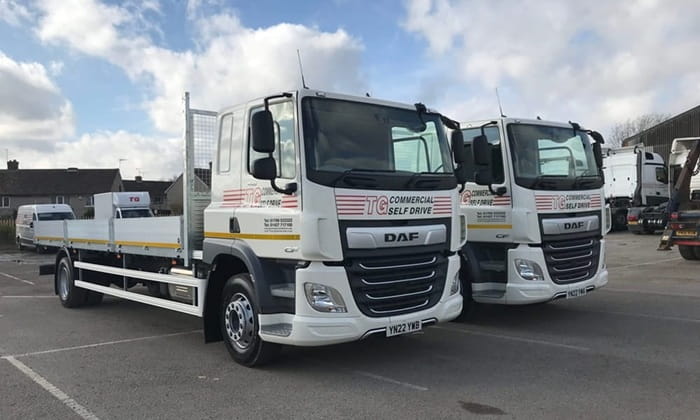
Challenges of Driving In The Urban Area
The historic districts are filled with narrow roads. Many carriageways measure under five metres wide in places. Vehicles wider than two metres risk scraping kerbs or blocking traffic.
Height limits add another layer. Low arches and overhanging signage appear in older quarters. Drivers must scan ahead constantly. A vehicle that exceeds three metres in height creates problems at certain points.
Turning radius is equally critical. Tight corners appear without warning. A large truck requires a wide arc to complete a manoeuvre. It swings into oncoming lanes or clips pavement edges.
In contrast, a compact truck and van rental in Nottingham slips through with minimal effort. Height clearance under bridges or in multi-storey areas needs attention too. Even a modest overhang can cause contact.
These factors combine to slow progress. They increase fuel use and driver stress. Experienced operators learn to map routes in advance. They factor in peak hours when congestion amplifies every limitation.
The result is clear. Poor vehicle selection leads to missed windows for loading or unloading. It raises the chance of minor incidents that disrupt the entire day.
Best Vehicle Types for City Use
The selection of the proper vehicle type transforms urban work in Nottingham. Short wheelbase models excel here. Their compact design delivers a tight turning circle. Drivers reverse into awkward spots with confidence. They thread through residential streets without hesitation.
Short wheelbase vans suit quick deliveries or small loads. They maintain stability in stop-start traffic. Their overall length stays manageable. This prevents overhang issues at junctions.
Long wheelbase versions offer more internal space. They carry larger payloads over a single trip. Yet they require extra caution. The extended body reduces manoeuvrability. Drivers need wider roads to turn safely.
In Nottingham’s confined areas, long wheelbase vans sometimes force detours. They struggle in residential zones where space shrinks rapidly. Operators weigh the trade-off. Extra capacity saves repeat journeys. However, it risks time lost in navigation.
Luton vans bring a different profile. Their box-shaped body maximises volume. They handle bulky items with ease. The raised load area creates generous headroom. Many include tail lifts that simplify loading at street level. Drivers appreciate the flat floor and high roofline for stacking. Yet Luton vans present urban drawbacks. Their greater length and height increase the turning radius. They require careful route planning around low clearances.
In city centres, the bulkier profile makes parking trickier. Drivers who choose Luton vans succeed when volume outweighs manoeuvrability needs. They pair the vehicle with precise timing. They avoid peak pedestrian hours. The choice hinges on the job. Short wheelbase suits agile work. Long wheelbase balances capacity and control. Luton vans deliver when space inside matters most.
Parking & Loading Constraints
Parking and loading rules shape daily operations in Nottingham. Residential areas impose strict limits. Drivers locate designated bays quickly. Double yellow lines appear frequently. They signal no waiting. Commercial zones provide loading bays with time restrictions. Vehicles must load and depart within set windows. Overstaying leads to penalties. The city centre Clear Zone adds complexity. Loading occurs outside these hours. Restricted access streets permit specific categories during the daytime. Blue badge holders and authorised vehicles gain entry. Drivers plan arrivals before restrictions tighten. They coordinate with premises staff for swift unloading.
Residential streets differ from commercial ones. Homes often lack off-street space. Drivers double-park briefly or use nearby bays. They risk obstruction complaints. Commercial premises feature dedicated bays. These spots allow brief stops. Yet nearby traffic still flows.
A poorly positioned vehicle blocks cyclists or buses. Operators learn to assess each site. They measure the available kerb length. They note nearby obstructions. The correct vehicle fits the space. It avoids an overhang that invites fines. It enables a quick exit. Drivers who master these constraints complete jobs efficiently. They reduce exposure to enforcement.
Fuel Efficiency Factor
Fuel costs accumulate in Nottingham traffic. Stop-start patterns dominate the centre. Vehicles idle at lights and junctions. Larger trucks consume more fuel during these pauses. Their engines work harder to accelerate from rest.
Smaller vans achieve better economy. They sip fuel through repeated cycles. Modern models with efficient engines amplify the difference. A short wheelbase van returns higher miles per gallon in urban conditions. Drivers notice the savings over a full day. It offsets rental rates.
Long wheelbase and Luton options burn extra fuel during congestion. Their weight and aerodynamics add to the burden. Operators track consumption. They select vehicles that match route requirments. A fuel-efficient choice lowers the hidden expense of city work. It supports tighter budgets without sacrifice.
Mistakes First-Time Hirers Make in Cities
First-time hirers repeat common errors in urban settings. They overestimate capacity needs. They book the largest available van or truck. They assume more space equals fewer trips.
In practice, the oversized vehicle is cumbersome. It struggles in narrow lanes. It fails to fit standard parking bays. Drivers waste time searching for alternatives. They incur extra fuel and potential damage. The error compounds when routes involve multiple stops.
Another pitfall involves underestimating restrictions. Hirers ignore local rules. They arrive during prohibited hours. They face an immediate turnaround. They lose productive time. Some overlook vehicle dimensions entirely. They select a model that exceeds height limits at key points. They discover the mismatch mid-journey.
Preparation prevents these setbacks. Drivers review job specifics first. They list load volume against street realities. They confirm licence requirements. They test routes on mapping tools. They choose the vehicle that aligns with actual conditions. This approach turns potential frustration into smooth execution.
FAQs
Can I drive a Luton van in city centres?
Yes, provided the van stays within standard licence limits. Most Luton vans fall under the 3.5 tonne threshold. Drivers use a standard car licence. They navigate Nottingham streets successfully when they plan. They select routes that accommodate the vehicle’s size. They time arrivals to match access windows. The box body delivers excellent volume. Drivers load efficiently. They complete urban tasks without special certification.
Are there restricted zones?
Nottingham operates a Clear Zone in the city centre. It protects pedestrian areas. Vehicle access follows defined rules. Pedestrian streets limit movement during daytime hours. Loading vehicles operate before 10 am and after 4.30 pm. Restricted access streets allow certain categories throughout the day. Drivers check current regulations before departure. They adjust schedules accordingly. Compliance keeps journeys legal and stress-free.
When drivers weigh these factors, they secure the best outcome for truck and van rental in Nottingham. They match the vehicle to the streets. They respect constraints. They control costs. They finish jobs faster. Thoughtful selection delivers reliability in a demanding environment. Plan your next urban task with these considerations in mind. The streets reward preparation.


 Dtf Manchester
 mahesh Chavan