Paul Miller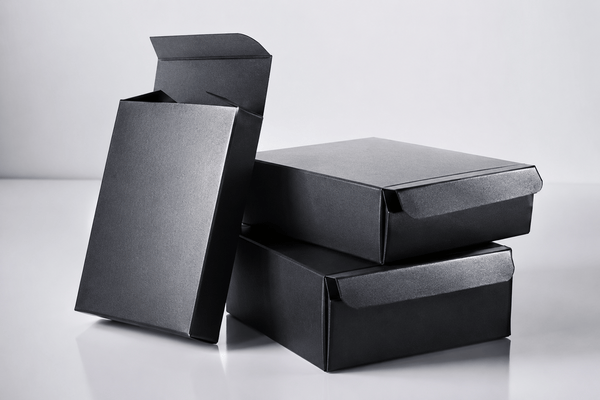
The initial packaging choice of a new brand hardly has the attention it warrants. Founders are product oriented, price oriented, channel oriented and then they scramble to get a box that would ship without collapsing. The outcome is generic packaging which informs purchasers of nothing of interest.
The irony is that the fix is neither very costly nor difficult. One of the most popular formats in retail, tuck boxes provide small brands a clean and customizable format that is both affordable and fits dozens of product categories. The format is simple. The opportunity that is lost is not utilizing it properly.
Why Do Startups Struggle to Find the Right Box Format?
Small brands are not designed to fit into traditional packaging suppliers. They have high minimums, long lead times and tooling upfront costs that do not make sense when a founder is testing a new product with a few hundred customers.
The outcome is a common tactic: small brands are shipped in plain mailers or white boxes or whatever generic alternative is in stock at their fulfillment partner. That is saving short-term money. It is very expensive in brand perception, bad protection return rate and customer lifetime value.
The very type of package is important. A structure that maintains its form, safeguards the product and provides the brand with sufficient surface area to convey a message is not a luxury. It is a standard which even fresh brands can attain to ensure that they select the appropriate manufacturing partner and format at the very beginning.
What Makes Tuck Boxes the Right Choice for Growing Brands?
The tuck box is named after the mechanism of closing the top and bottom flaps which tuck into the body of the box without the use of adhesive or tape. It is precisely that structural simplicity that makes the format so convenient.
Custom tuck boxes are customized and have a few benefits that cannot be matched by other types of packages at similar prices:
Fast assembly: Tuck boxes can be folded and closed in seconds. That is important to brands fulfilling orders themselves or having small fulfillment teams.
Printable on all six sides: All the panels, front, back, top, bottom and both sides, print. Strong visual identity brands can utilize the entire surface as opposed to wasting space.
Right-sized for almost anything: Cosmetics, supplements, candles, tech accessories, soap and small electronics will all make a good ship in tuck format. The structure is scaled through the weight classes without necessarily having a totally different design system.
Low per unit cost at scale: Tuck boxes wholesale pricing drops substantially as order volume increases. The economics of custom packaging can work even with brands that start with a few hundred units and do so with competitive per-unit rates.
What Should Brands Look for in a Tuck Box Manufacturer?
Three factors tend to determine the difference between a good packaging run and a frustrating one: print quality, structural accuracy and minimum order flexibility.
There is no compromise on print quality. A box with poor photography, banding or fades within a couple of weeks in storage is a direct reflection of the product in the box. Request a sample of the physical appearance of what you want and advertise the finish it will have, matte laminate or gloss or soft-touch depending on the way the item is going to be displayed and touched.
Structural accuracy implies that the box closes flat, the tuck tabs are held together when used, and the sizes are close enough to the product that there is no rattling or crushing during shipping. Looseness and die-cut tolerances are tell-tale signs of a manufacturer skimping on tooling.
Small brands are most concerned with minimum order flexibility. A manufacturer that imposes a 5000 unit commitment on a first order is not designed to work the way emerging consumer brands really work. This reasoning equally applies to flexible format packaging by providing low MOQ custom Mylar bags along with rigid box formats provides multiple product brands with the capability to consolidate sourcing without compromising format flexibility. Such supplier relationship saves the overhead in procurement and eases reorder logistics.
Which Product Categories Rely on Tuck Box Packaging?
The tuck format appears in almost all consumer product segments and rightly so. The following are the areas that it has the greatest performance:
Skincare and cosmetics: The rigid form safeguards glass and pump bottles during shipping and provides the brands with a high end retail look without a complicated custom mold.
Supplements and nutraceuticals: Consistency in print quality and legible type at small types are needed in compliance labeling. Tuck boxes enable it and at smaller levels of production.
Candles and home fragrance: A snug tuck box is used to protect delicate finishes and help keep things in place when transported. It also offers a gift ready presentation which raises the perceived value.
Electronics accessories: Cables, cases and small devices are all cleanly packed in tuck format. The compression damage caused by soft pouches is prevented because of the structured sides.
Custom tuck boxes in these groups do not simply hold a product but are an indication of professionalism and care before anything is opened by the customer. It is this initial impression that will make a buyer discuss the brand with others.
Small Brands Do Not Have to Wait to Package Like Established Ones
The distance between DIY startup wrapping and that of the retail-ready polish is now much shorter. High MOQ runs, digital printing and direct-to-brand producers imply that a founder who sells 300 units a month can visually be as trustworthy with his or her product as a brand that sells 30,000.
One of the most readily available access points to custom packaging is tuck boxes, which are structurally sound, can be printed extensively, and affordable at the quantities of orders where it makes economic sense to start a new business.
Successful brands that operate in this space tend to consider packaging as a brand asset as early as they can, and not an after-thought. This type of a brand is the cornerstone of the business of suppliers such as Kwick Packaging: development stage, quality-oriented and not willing to sacrifice presentation to earn a couple of cents per unit.
The instruments are at hand. The question is; when a brand decides to use them.
FAQs
What is the lead time of custom tuck boxes?
Lead times depend on manufacturer and quantity of orders. Digital print runs on smaller amounts normally delivered within 7-12 business days of artwork approval. Typically, larger offset runs, which are more set-up intensive, need 15-21 business days.
What is the correct size of the box to use my product?
Measuring at the widest, longest and tallest parts of your product and adding 2-4mm of clearance around each side. The clearance enables the product to slide in and out without the tuck flaps being forced open. The majority of manufacturers of packaging provide you with a free dieline template when you specify the size of your product.
Is it possible to have tuck boxes in various designs in the same run?
Yes and this is a conventional strategy of brands that deal with multiple SKUs. By maintaining the physical size of the products, manufacturers can use other artwork files on the same medium during the same production cycle. This helps in maintaining costs in comparison to each design being treated as an order.


 Alfre Noe
 violet Mac