Ranthambore Resort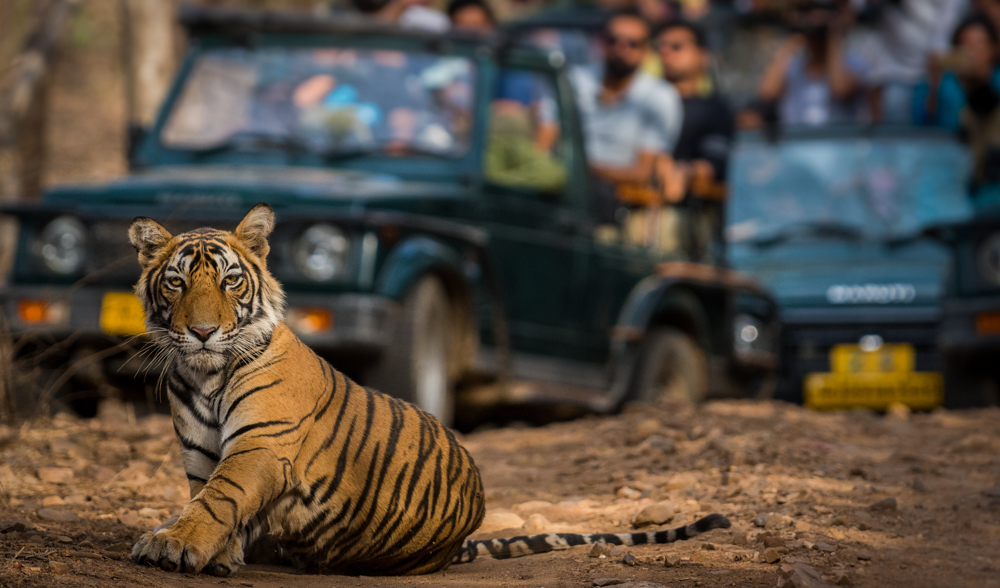
Planning a trip to the rugged, deciduous forests of southeastern Rajasthan requires finding a balance between thrilling wildlife encounters and rich heritage. Knowing exactly where to go can elevate your journey from a standard vacation to a deeply memorable adventure. To get the most out of your wilderness escape, selecting an authentic, locally managed resort in Ranthambore serves as the perfect base camp. From exploring ancient, UNESCO-protected architectural marvels to tracking the majestic Royal Bengal tiger in its natural habitat, the region offers a diverse array of sights that appeal to wildlife enthusiasts and history buffs alike.
Here are the five top sightseeing highlights that should be on every traveler’s itinerary when visiting this iconic wilderness.
1. The Royal Wildlife Safaris of Ranthambore National Park
The absolute crown jewel of the region is the national park itself, renowned globally for its thriving tiger population and its unique dry-deciduous ecosystem. Exploring the wilderness involves choosing a specific Ranthambore safari zone during the booking process, with the park divided into distinct territories to regulate vehicular traffic and protect the ecosystem. Zones 1 through 5 are traditionally celebrated for their historic landscapes and frequent predator sightings around natural lakes, while zones 6 through 10 feature rugged hills and beautiful landscapes where leopards and sloth bears are regularly spotted. Navigating through the dense dry-forest tracks in an open-topped gypsy or canter offers an unmatched opportunity to witness marsh crocodiles, sambar deer, Indian leopards, and migratory birds thriving in their natural habitat.
2. The Majestic Ranthambore Fort
Perched dramatically atop a 700-foot high hill inside the park grounds, the historic Ranthambore Fort stands as an architectural marvel built by the Chauhan rulers in the 10th century. Recognizing its immense historical value, UNESCO designated this massive structure as part of the Hill Forts of Rajasthan World Heritage site. Walking up the stone paths reveals grand gateways, ancient stepwells, and massive ramparts that provide panoramic views of the surrounding tiger reserve and the geometric lakes below. The fort area remains unique because human history and untamed nature coexist seamlessly, with langurs playing on old stone ruins and majestic birds of prey nesting in the crevices of the towering walls.
3. The Sacred Trinetra Ganesha Temple
Situated directly inside the historic fort premises, the Trinetra Ganesha Temple holds a deep spiritual significance for locals and travelers from all across India. This sacred shrine houses an idol of Lord Ganesha that features three eyes, representing the past, present, and future, making it the only temple of its kind in the entire world. Local folklore states that the temple was established during a medieval siege when the deity appeared in a king’s dream, miraculously resolving a severe food shortage. Today, thousands of devotees visit daily, and the temple receives thousands of wedding invitations and letters from people seeking blessings for new beginnings, filling the ancient stone walls with vibrant, positive energy.
4. Padam Talao and Jogi Mahal
Padam Talao is the largest lake located within the national park boundaries, serving as a primary watering hole for the region’s diverse wildlife. During the early morning and late afternoon hours, travelers frequently observe deer herds gathering near the edges, while predators secretly patrol the thick shoreline brush. Situated right at the edge of this serene water body is the iconic Jogi Mahal, a historic, red-painted forest rest house originally built as a hunting lodge by the royal family of Jaipur. Next to this old structure stands an enormous banyan tree, officially recognized as one of the largest in India, creating a breathtaking, picturesque setting where nature and heritage meet.
5. Kachida Valley and Surwal Lake
For travelers looking to explore beyond the central tourist routes, the peaceful landscapes of Kachida Valley offer a serene retreat characterized by rugged, rocky outcrops and low-lying hills. This quiet valley is a favored territory for the elusive Indian leopard and the striped hyena, both of which avoid the deeper forest zones dominated by larger tigers. If you visit during the winter season, combining this excursion with a trip to the nearby Surwal Lake is highly recommended. This seasonal water body turns into a paradise for birdwatchers, attracting thousands of beautiful migratory species like painted storks, flamingoes, and spoonbills that flock to the shallow waters to feed in the warm winter sun.
Designing the Perfect Wilderness Getaway
Experiencing these incredible sights comfortably requires choosing a travel itinerary that provides ample time for both deep exploration and peaceful relaxation. Couples looking for a seamless, well-planned wilderness vacation often find that selecting a dedicated Ranthambore 2N 3D couple package provides the ideal duration to balance multiple morning and afternoon wildlife safaris with cultural sightseeing tours. This structured timeframe leaves plenty of room to unwind around a traditional evening campfire, enjoy local Rajasthani folk music performances, and share stories of the day’s wildlife encounters under a clear, starry jungle sky. Taking the time to properly plan your routes and secure your permits early ensures that your journey through this historic land remains completely unforgettable.


 Abhay seo
 Khushi Pangariya