Sky Blue Garlic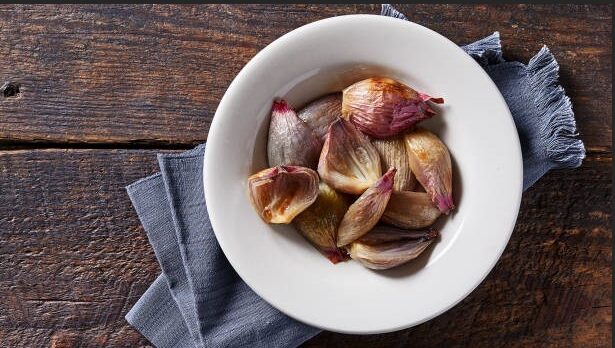
“Ever wondered why purple striped garlic keeps showing up in chef-driven kitchens?”
There is something instantly captivating about its bold look, rich aroma, and the way it promises deeper flavor before it even hits the pan. For anyone who loves roasting, stirring, simmering, or building a sauce from scratch, this garlic feels like a small ingredient with big culinary power. It draws attention not just for its striking purple streaks, but also because chefs see it as more than a pantry staple. Purple striped garlic brings curiosity, character, and a little kitchen magic to every recipe. Let’s take a look at it in detail.
Key Takeaways
- Purple-striped garlic roasts into a sweet, creamy, buttery texture.
- It adds rich flavor without overpowering sauces.
- Its hardneck cloves are larger, easier to peel, and simple to roast.
- It works well in tomato sauces, cream sauces, pan sauces, aioli, and vinaigrettes.
- Chefs value it for its balance, aroma, and consistent cooking performance.
Why Chefs Prefer Purple Striped Garlic for Roasting
Here’s why Chesnok red garlic is a top choice for roasting:
Superior Caramelization and Sweetness
Purple Striped Garlic has a distinctive sugar profile that caramelizes beautifully during roasting, creating a sweet, nutty, and buttery flavor that is more pronounced than that of many other culinary garlic varieties.
Rich, Complex Flavor Profile
When raw, it is aromatic with a mild spicy edge. Once roasted, it softens into a rich, layered, and full-bodied flavor without turning bitter. This makes it ideal for garlic spreads, soups, and roasted meats, and it is one reason it is often valued as gourmet garlic.
Ideal Clove Structure: Hardneck Variety
As a hardneck garlic, it usually has fewer, larger, and more even cloves per bulb than softneck garlic. This makes it easier to peel, handle, and roast whole, especially when using bulk quantities like 5 lb garlic.
Creamier Texture After Roasting
After roasting, purple striped garlic develops a soft, creamy texture that spreads easily onto bread, vegetables, and roasted dishes. Its smooth consistency blends effortlessly into sauces, soups, mashed potatoes, and purees, leaving no harsh chunks or bitterness. This creamy quality makes it a highly valued culinary garlic choice for creating richer textures and more balanced flavors in both everyday meals and gourmet garlic recipes.
Strong Aroma Without Harshness
Purple-striped garlic offers a strong, inviting aroma that enhances dishes without becoming too sharp or overpowering. Its balanced garlic scent adds depth and warmth to sauces, roasted foods, marinades, and spreads while remaining smooth and pleasant. This makes it easier to build flavor layers without overwhelming other ingredients in the dish.
Why Chefs Like It for Sauces
Here’s why purple stripe garlic is a top choice for sauce work:
Deeper Intense Flavor
Unlike some white garlic varieties that deliver mostly sharp heat, purple stripe garlic is known for a deeper, more layered flavor. It has a bold garlic taste, but it is not overly harsh or sulfur-heavy. Purple Stripe garlic often has a slightly sweet, mellow quality that works especially well in sauces. As it cooks, that sweetness blends smoothly with ingredients like butter, oil, cream, tomatoes, herbs, and stock.
Can be Used Both Cooked and Raw
This garlic performs well in both raw and cooked preparations. When used raw in sauces, dressings, or marinades, it can add a lively peppery kick. When cooked, it becomes softer, sweeter, and more rounded.
Keeps Its Taste
Purple Stripe garlic keeps its character even after roasting, sautéing, or blending. Instead of fading into the background, it adds steady depth and aroma to sauces without overpowering the final dish.
Examples of sauces with purple-striped garlic in them:
- Tomato Sauce: Purple-striped garlic adds gentle warmth and natural sweetness, helping balance the acidity of tomatoes.
- Cream Sauce: It brings savory depth and balance, so the sauce tastes richer without becoming too sharp.
- Pan Sauces: It creates a flavorful base that pairs well with herbs, wine, stock, butter, and meat drippings.
- Garlic-forward Sauces: It works well in aioli, toum-inspired spreads, and roasted garlic vinaigrettes because it adds bold garlic flavor without becoming harsh.
Conclusion
Purple-striped garlic stands out because it delivers exactly what chefs need: flavor, balance, aroma, and reliability. When roasted, it turns creamy, sweet, nutty, and buttery without losing its bold garlic character. In sauces, it adds depth and warmth without becoming harsh or bitter. Its larger hardneck cloves also make it easier to peel, roast, and use in busy kitchens.
Whether blended into spreads, stirred into tomato sauce, softened into cream sauce, or used in garlic-forward recipes, purple-striped garlic adds a rich, memorable flavor that elevates simple dishes, making them feel more refined and chef-worthy.
FAQs
Is purple -striped garlic stronger than regular garlic?
It can taste richer and more complex than standard grocery garlic, but it is not always harsher. When roasted, it becomes sweet, smooth, and mellow.
Can I use purple -striped garlic raw?
Yes, but use it carefully. Raw garlic has a sharper bite. Try grating a small amount into dressings, dips, marinades, or garlic butter.
Is purple -striped garlic good for Italian cooking?
Yes. It works well in tomato sauces, pasta sauces, roasted vegetables, soups, and garlic bread. Its balanced flavor makes it useful across many Italian-style dishes.
How many cloves are usually in a bulb?
Hardneck garlic often has fewer but larger cloves than softneck garlic. The exact number depends on the variety and growing conditions.
Can I plant purple -striped garlic at home?
Yes, if you buy suitable seed garlic from a trusted source. Plant individual cloves in the fall in well-drained soil, with the pointed end facing up.


 Ammar Saleem