David Blair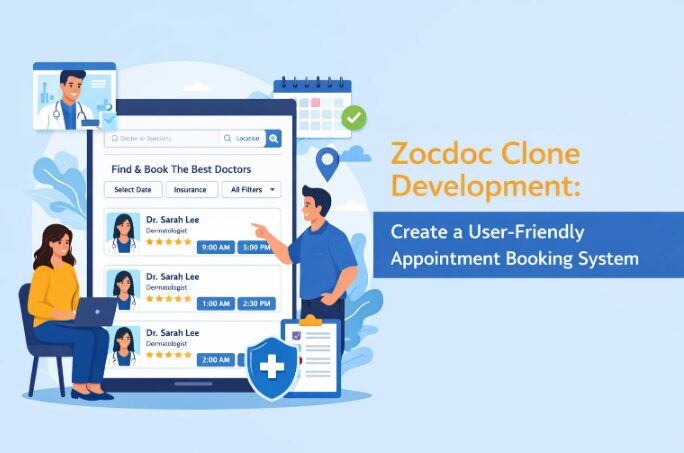
The healthcare industry is rapidly transforming with the rise of digital solutions, particularly in the realm of appointment scheduling. One of the most popular platforms leading this transformation is Zocdoc, a medical appointment booking service that connects patients with healthcare providers. As businesses recognize the need for efficient and accessible systems to manage patient appointments, creating a Zocdoc clone has become a popular choice for startups and healthcare service providers alike.
In this article, we’ll explore how to build a Zocdoc clone app that meets the needs of users while ensuring seamless integration with modern technology. From essential features to technology stacks, we’ll walk you through the key steps in Zocdoc clone app development and why a user-friendly experience is paramount for success.
What Is a Zocdoc Clone?
A Zocdoc clone is a white-label solution that replicates the features and functionalities of the original Zocdoc platform. This includes the ability for patients to search for healthcare providers, view their availability, book appointments, and sometimes even complete video consultations. A Zocdoc clone app allows businesses to offer these same services without having to develop the entire platform from scratch.
Developing a Zocdoc clone app offers many advantages, such as reduced development time, lower costs, and the ability to customize the system according to your unique business needs. However, it’s crucial to ensure the clone is user-friendly, scalable, and compliant with relevant healthcare regulations to ensure patient satisfaction and safety.
Key Features of a Zocdoc Clone App
To build a user-friendly Zocdoc clone app, you need to include essential features that facilitate easy navigation and provide a seamless experience for both healthcare providers and patients. Let’s explore the must-have features that should be integrated into your Zocdoc clone script:
1. User Registration and Profiles
The registration process should be quick and simple. Patients should be able to sign up via email, phone number, or even through social media accounts. Once registered, both patients and healthcare providers will have profiles that allow them to manage their personal information, medical records (if applicable), and appointment history.
For healthcare providers, the profile should include their specialization, qualifications, clinic location, and available appointment slots.
2. Search and Filter Options
One of the primary reasons patients choose platforms like Zocdoc is the ability to search and filter healthcare providers based on specific needs. A Zocdoc clone app should allow users to filter doctors by specialty, location, language, insurance accepted, and ratings. Adding robust search functionality ensures that patients can quickly find the right provider for their needs.
3. Real-Time Appointment Scheduling
The appointment scheduling system is the backbone of any Zocdoc clone. Your app should integrate real-time availability for healthcare providers, allowing patients to book, reschedule, or cancel appointments with ease. Notifications, both in-app and via email/SMS, should be sent to confirm the booking or alert users about any changes.
An effective real-time scheduling system minimizes the possibility of double bookings and ensures that providers can manage their time effectively.
4. Integrated Payment Gateway
A user-friendly Zocdoc clone app should have an integrated payment gateway that allows patients to pay for appointments securely. Patients should be able to choose between various payment methods, including credit/debit cards, online wallets, and insurance-based payments. The platform must be PCI-compliant to ensure sensitive financial data is protected.
5. Telemedicine Integration
As telemedicine becomes more popular, integrating a video consultation feature into your Zocdoc clone app is essential. This will enable patients to consult with healthcare providers remotely, making healthcare services more accessible, especially for those in remote areas.
Telemedicine features should include secure video calls, text chat, and file sharing (such as prescription records or lab results) for a comprehensive virtual consultation.
6. Ratings and Reviews System
User-generated reviews and ratings are crucial in any platform that connects service providers and consumers. Your Zocdoc clone app should allow patients to rate and review healthcare providers based on their experiences. This helps build trust and transparency, encouraging quality care and holding providers accountable.
7. Appointment Reminders and Notifications
To minimize no-shows and cancellations, your app should send automated appointment reminders via push notifications, SMS, or email. This will help patients stay informed about their upcoming appointments and reduce the chances of missed visits.
8. Admin Dashboard
The admin dashboard is essential for managing both users and healthcare providers. It should provide detailed analytics on appointments, user activity, payment processing, and system health. Additionally, the dashboard should allow the admin to manage user accounts, approve provider listings, and configure various app settings.
Technologies for Zocdoc Clone App Development
Creating a Zocdoc clone app requires selecting the right technology stack that ensures a smooth, scalable, and secure platform. Let’s break down the key technologies needed for building your app.
Front-End Development
For the front end, you will need technologies that provide a responsive and intuitive user interface. The most common options include:
- React Native or Flutter for cross-platform mobile app development (iOS and Android).
- Angular or ReactJS for web app development, offering a seamless and dynamic user experience.
These technologies ensure the app functions smoothly across all devices while maintaining high performance.
Back-End Development
For the back end, you need a robust and scalable solution to handle real-time data processing, user management, payment integration, and more. Popular options include:
- Node.js: Great for real-time applications and offers a fast, scalable back-end.
- Ruby on Rails: Known for rapid development and an excellent choice for building MVPs (Minimum Viable Products).
- Python (Django/Flask): Python is easy to work with, and frameworks like Django or Flask provide powerful back-end solutions for building secure web applications.
Database
A well-structured database is crucial to handling patient and provider data efficiently. Popular database options include:
- PostgreSQL or MySQL for relational databases that are excellent for structured data.
- MongoDB for a NoSQL database that offers high flexibility and scalability.
Cloud Hosting & Storage
Cloud platforms ensure that your Zocdoc clone app remains highly available and scalable as user numbers grow. Popular cloud solutions include:
- Amazon Web Services (AWS) for reliable cloud computing services.
- Google Cloud Platform (GCP) and Microsoft Azure for scalable and secure cloud hosting.
These platforms provide secure data storage, scalability, and reliable infrastructure to support the app.
Payment Integration
To integrate a seamless and secure payment system, you can choose from several payment gateways:
- Stripe: Offers an easy-to-use API and excellent support for various payment methods.
- Razorpay: A popular choice for startups in India, offering multi-currency support.
- PayPal: A well-known option that supports international payments and recurring billing.
Video Consultation
For telemedicine features, you’ll need an API for secure video calls. Popular choices include:
- Twilio: Provides an excellent video calling API with support for text and multimedia messaging.
- Agora: Known for its low-latency video solutions suitable for telehealth.
Steps in Zocdoc Clone App Development
Building a Zocdoc clone app is a multi-phase process that requires careful planning, design, and development. Here’s a breakdown of the development stages:
1. Requirement Analysis & Planning
Before you begin the development process, you must understand your target audience and their pain points. Analyze competitors and create a roadmap of features based on market research. The planning phase is critical for deciding the scope of the project and setting realistic timelines.
2. UI/UX Design
A seamless and intuitive design is essential to ensure a smooth user experience. During the design phase, focus on wireframes, mockups, and user flow that simplify the booking process. User-friendly navigation is key to reducing friction and ensuring patients can book appointments easily.
3. App Development
During the development phase, both the front-end and back-end of the app will be built. The key tasks here include:
- Integrating user registration, profile management, and search features.
- Building the appointment scheduling system.
- Implementing secure payment gateways and telemedicine integrations.
4. Testing
Thorough testing is essential to ensure that all features work as expected. Perform both manual and automated testing to identify and fix any bugs, security vulnerabilities, or performance issues. Testing should cover usability, security, and functionality to provide a bug-free user experience.
5. Launch & Maintenance
Once the app is ready, it can be launched on the App Store and Google Play Store. Post-launch, you should regularly update the app, fix bugs, and implement new features to improve user experience.
Conclusion
Building a Zocdoc clone app can be a game-changer for businesses in the healthcare industry. By focusing on creating a user-friendly, intuitive, and secure platform, you can provide patients with an easy and efficient way to book medical appointments. The right technology stack, essential features, and seamless user experience will ensure the success of your platform in this competitive market.
Whether you’re an established healthcare provider or a new startup, developing a Zocdoc clone script is a smart investment to stay ahead of the curve in the evolving telemedicine landscape.

 RedSpider Web and Art Design
 Rachel White