john willson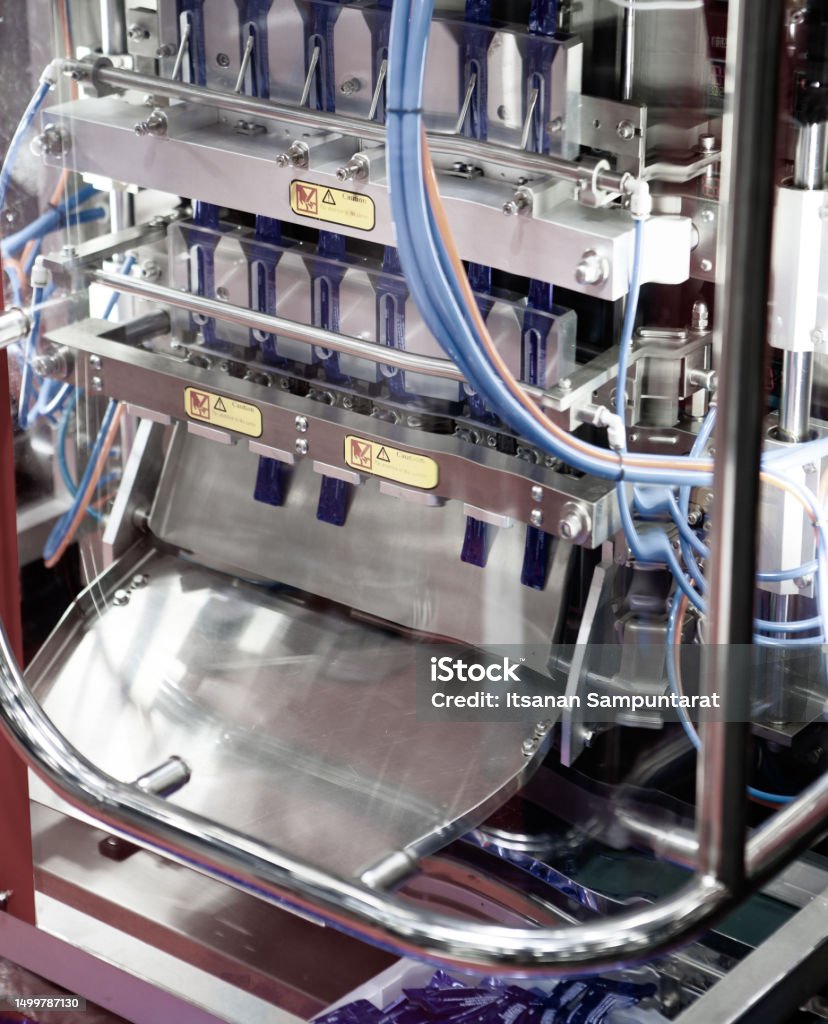
In industries where speed, accuracy, and consistency matter, outdated packaging methods can create serious production challenges. Many businesses struggle with inaccurate weighing, product waste, dust pollution, labor dependency, and slow packaging lines. These problems not only reduce operational efficiency but also increase long-term costs. Modern bagging machines solve these issues by automating the packaging process, improving productivity, and ensuring precise material handling. Whether you operate in agriculture, chemicals, food processing, construction, or mining, investing in a reliable bagging system can significantly improve workflow and product quality.
What Are Bagging Machines?
Bagging machines are industrial packaging systems designed to fill, weigh, seal, and transport materials into bags automatically or semi-automatically. These machines are widely used for packaging powders, granules, pellets, flakes, and bulk materials in different bag sizes.
Modern bagging equipment combines advanced weighing technology, PLC control systems, conveyor integration, and dust collection systems to ensure smooth and efficient packaging operations. Businesses that require high-volume production rely on automatic bagging machines to maintain consistency while reducing manual labor.
Key Features of Modern Bagging Machines
High-Precision Weighing System
One of the most important features of a bagging machine is its accurate weighing capability. Advanced electronic weighing systems provide stable and precise measurements, minimizing product loss and ensuring every bag meets weight requirements.
Fast Packaging Speed
Industrial bagging machines are designed for high-output environments. Depending on the material and bag size, these systems can package dozens of bags per hour while maintaining consistent accuracy.
PLC Intelligent Control
Most automatic bagging machines are equipped with PLC control systems and touchscreen interfaces. Operators can easily monitor production data, adjust settings, and improve overall operational efficiency.
Dust-Free Operation
Dust pollution is a major concern in industries handling powders and fine materials. Integrated dust collection systems help maintain a cleaner working environment while protecting operators and equipment.
Flexible Material Handling
Bagging systems can handle a wide variety of materials, including:
- Cement
- Fertilizer
- Flour
- Rice
- Animal feed
- Plastic pellets
- Chemical powders
- Mineral products
- Sand and gravel
Durable and Low-Maintenance Design
Industrial packaging environments require machines that can operate continuously under demanding conditions. Modern bagging equipment is built with durable components that reduce maintenance requirements and improve long-term reliability.
Types of Bagging Machines
Automatic Bagging Machines
Automatic systems perform bag feeding, filling, weighing, sealing, and conveying with minimal human intervention. These machines are ideal for large-scale production facilities that prioritize efficiency and labor savings.
Semi-Automatic Bagging Machines
Semi-automatic bagging machines require some manual assistance, such as bag placement. They offer a cost-effective solution for medium-sized businesses looking to improve packaging speed without a fully automated setup.
Jumbo Bag Filling Machines
Jumbo bag fillers are specifically designed for FIBC bags and bulk material handling. These machines can fill bags ranging from 500kg to 2000kg with high accuracy and efficiency.
Open Mouth Bagging Machines
These systems are commonly used for food grains, seeds, feed, and fertilizer packaging. They provide fast filling and easy bag handling.
Valve Bag Filling Machines
Valve bag packers are ideal for powdered materials such as cement, gypsum, and chemical powders because they minimize dust leakage during filling.
How Bagging Machines Improve Industrial Operations
Increased Productivity
Automation reduces manual handling and speeds up the packaging process. Businesses can achieve higher production targets while maintaining consistent quality.
Reduced Labor Costs
By automating repetitive tasks, companies can minimize workforce requirements and reduce operational expenses.
Better Packaging Accuracy
Accurate weighing systems prevent overfilling and underfilling, helping businesses avoid material waste and maintain customer trust.
Improved Workplace Safety
Dust control systems and automated handling reduce employee exposure to airborne particles and heavy lifting tasks.
Consistent Packaging Quality
Automated bagging systems ensure every bag is filled uniformly, improving brand reputation and customer satisfaction.
Applications of Bagging Machines
Bagging machines are used across multiple industries because of their flexibility and efficiency.
Agriculture Industry
Used for packaging seeds, grains, rice, flour, fertilizer, and animal feed.
Construction Industry
Ideal for cement, sand, gypsum, lime powder, and dry mortar packaging.
Chemical Industry
Suitable for chemical powders, plastic resins, and industrial minerals.
Food Processing Industry
Commonly used for sugar, starch, spices, flour, and powdered food products.
Mining Industry
Efficient for packaging minerals, ore powder, and other heavy bulk materials.
Choosing the Right Bagging Machine
Selecting the right bagging equipment depends on several factors:
- Material type
- Required packaging speed
- Bag size and weight
- Automation level
- Production volume
- Dust control requirements
Businesses should choose machines that align with their operational goals while ensuring long-term performance and reliability.
Why Businesses Are Investing in Advanced Bagging Systems
As industries continue to grow, companies need packaging solutions that improve efficiency while lowering costs. Modern bagging machines help businesses streamline operations, reduce waste, improve product consistency, and maintain a safer working environment.
Advanced automation technology also allows manufacturers to scale production without compromising packaging quality. For companies handling large quantities of bulk materials, automated bagging equipment is becoming an essential investment for sustainable growth.
Conclusion
Bagging machines play a critical role in modern industrial packaging operations. From improving accuracy and reducing labor costs to increasing packaging speed and workplace safety, these systems offer reliable solutions for businesses handling bulk materials.
Whether you need a semi-automatic system for moderate production or a fully automated jumbo bag filling machine for high-volume packaging, choosing the right equipment can transform your packaging process. Investing in advanced bagging technology helps businesses improve efficiency, maintain product quality, and stay competitive in today’s fast-paced industrial market.
FAQs
- What materials can bagging machines handle?
Bagging machines can package powders, granules, pellets, grains, fertilizers, cement, chemicals, and food products efficiently.
- Are automatic bagging machines suitable for small businesses?
Yes, compact automatic and semi-automatic bagging systems are ideal for improving productivity in small operations.
- How accurate are industrial bagging machines?
Modern machines provide highly accurate weighing with minimal error, reducing product waste and packaging inconsistencies.
- Do bagging machines help reduce dust pollution?
Yes, many systems include dust collection technology to create cleaner and safer industrial working environments.
- What industries commonly use bagging machines?
Agriculture, construction, food processing, mining, and chemical industries widely use bagging machines for bulk packaging.


 Khelo Yaar100
 Ammar Saleem