ARVR Optical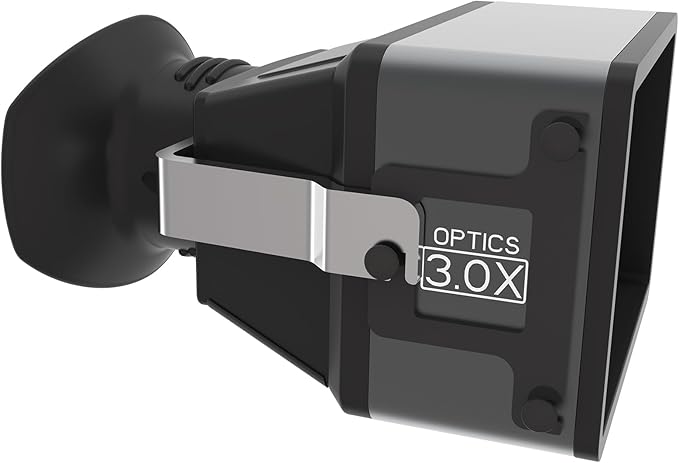
Modern digital cameras, industrial imaging systems, and professional video equipment depend heavily on accurate electronic viewfinder performance. However, many manufacturers still face problems related to poor display clarity, image lag, low brightness, and optical distortion inside electronic viewfinder systems. These issues reduce user experience and affect imaging precision in professional applications.
One critical technology behind advanced viewfinder systems is the EVF optical module. This optical structure helps project digital display information clearly into the user’s eye while maintaining image sharpness and viewing comfort. However, poor optical engineering, weak display integration, and unstable manufacturing quality can create major performance limitations. Businesses developing imaging systems must understand these problems carefully to improve product quality, maintain competitive performance, and meet growing market demands for professional imaging technology.
Why EVF Optical Modules Are Important
An EVF optical module, also known as an electronic viewfinder optical module, is used in cameras and imaging systems to display digital image previews directly to the user.
Unlike traditional optical viewfinders, EVF systems provide real-time image information such as exposure, focus, white balance, and color adjustments.
Modern mirrorless cameras, industrial imaging systems, medical devices, and professional broadcasting equipment increasingly rely on EVF technology because of its flexibility and advanced visualization capabilities.
High-quality EVF optical modules improve image clarity, reduce eye fatigue, and help users capture more accurate visual results.
As imaging technology continues evolving, demand for compact and high-resolution EVF optical systems is increasing rapidly.
Common Problems Businesses Face With EVF Optical Modules
Low Display Brightness
One common issue in EVF systems is insufficient brightness under outdoor or high-light environments.
Weak brightness performance makes it difficult for users to view image details clearly during photography or video recording.
Advanced optical coatings and high-brightness display integration help improve visibility performance.
Optical Distortion and Blur
Poor lens alignment or weak optical precision may create image distortion inside the electronic viewfinder.
Blurred visuals reduce focusing accuracy and negatively affect professional imaging applications.
Precision optical engineering and advanced calibration systems help improve display sharpness and viewing consistency.
Image Lag and Slow Response
Some EVF systems experience delayed image updates during fast motion or video capture.
This lag reduces shooting accuracy and affects real-time scene tracking.
Modern EVF optical modules use faster display technologies and optimized signal processing to improve responsiveness.
Limited Viewing Comfort
Poor ergonomic design and weak optical adjustment may create eye strain during long usage periods.
This becomes a major issue for photographers, videographers, and industrial operators who use imaging equipment for extended sessions.
Manufacturers now focus on better optical magnification and comfortable viewing angles to improve usability.
How Advanced EVF Optical Modules Solve These Problems
High-Resolution Display Integration
Modern EVF optical modules use high-resolution micro displays to improve image clarity and detail visibility.
This supports more accurate focus control and scene evaluation.
Precision Optical Alignment
Advanced lens positioning and calibration systems reduce distortion and improve visual consistency across the viewing area.
This creates a more stable and professional viewing experience.
Better Brightness Efficiency
Improved optical coatings and efficient light management systems help maintain strong brightness performance in different environments.
This improves usability for outdoor photography and industrial applications.
Compact and Lightweight Design
Manufacturers are developing smaller EVF optical modules to support compact camera systems and portable imaging devices.
Lightweight designs improve user comfort and product flexibility.
Industries Benefiting From EVF Optical Modules
Professional Photography and Videography
Mirrorless cameras and professional video systems depend heavily on EVF technology for accurate image preview and focusing support.
Industrial Imaging Systems
Factories and inspection systems use EVF-equipped imaging devices for precision monitoring and quality control operations.
Medical Imaging Equipment
Medical devices require clear visualization systems for diagnostics and imaging applications where accuracy is critical.
Broadcasting and Media Production
Professional broadcasting cameras use EVF optical modules to provide stable and high-quality monitoring during live production.
Mistakes Businesses Should Avoid When Choosing EVF Optical Modules
Choosing Low-Cost Optical Systems
Cheap EVF modules often create poor brightness, distortion, and weak display performance.
Businesses should focus on long-term imaging quality instead of only reducing manufacturing costs.
Ignoring Display Resolution
Low-resolution displays reduce focusing precision and overall image clarity.
High-resolution systems are important for professional applications.
Overlooking Thermal Stability
Compact imaging systems still generate heat during operation.
Poor thermal management may affect display stability and component lifespan.
Working With Inexperienced Suppliers
Reliable manufacturers provide optical testing reports, calibration verification, and stable production quality.
Poor supplier selection may create long-term product reliability issues.
Future Trends in EVF Optical Module Technology
The imaging industry continues moving toward higher-resolution displays, faster refresh rates, and more compact camera systems.
Manufacturers are improving EVF optical modules through micro OLED displays, AI-assisted image processing, and lightweight optical architectures.
Advanced imaging technologies such as computational photography, machine vision, and smart industrial inspection systems are also increasing demand for precision EVF solutions.
As professional imaging standards continue rising, EVF optical modules will remain essential for accurate visualization and advanced digital imaging systems.
Conclusion
Imaging manufacturers continue facing challenges related to display brightness, optical distortion, image lag, and viewing comfort in electronic viewfinder systems. Poor optical performance can reduce imaging accuracy and negatively affect professional workflows.
EVF optical module technology provides an effective solution through high-resolution visualization, precise optical alignment, compact design, and improved display efficiency. Industries including photography, broadcasting, medical imaging, and industrial inspection increasingly depend on reliable EVF systems for professional performance.
Businesses that prioritize optical precision, display quality, thermal stability, and supplier reliability can improve imaging system performance, reduce operational risks, and maintain stronger competitiveness in the evolving digital imaging market.


 Khelo Yaar100
 Ammar Saleem