Bellaa Smith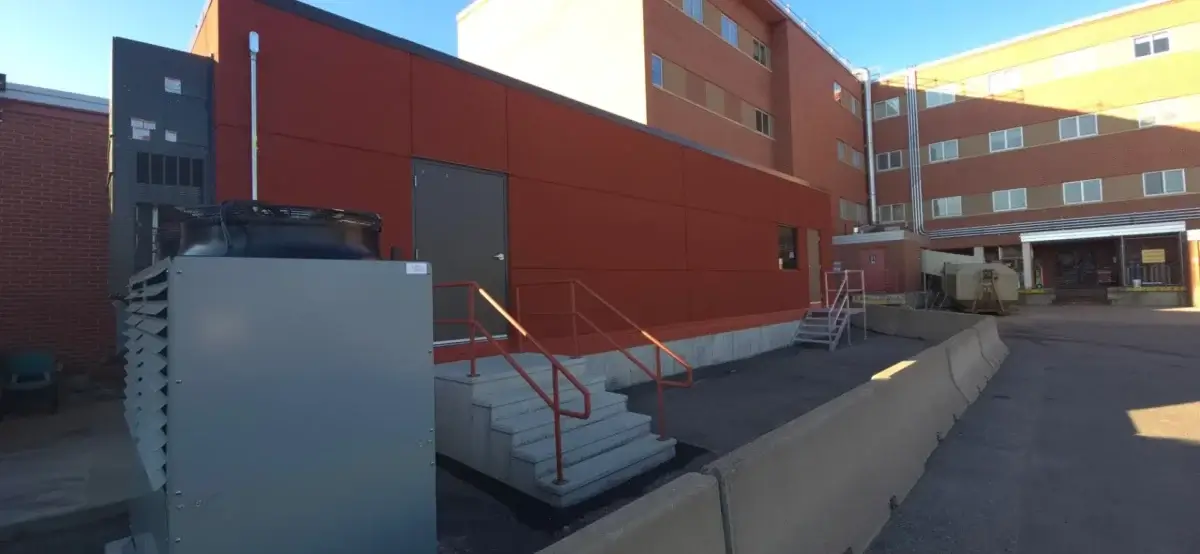
Healthcare facilities across the country are facing a difficult challenge: growing patient demand while managing limited space, rising construction costs, and operational disruptions. Expanding diagnostic imaging capabilities has become essential for hospitals, outpatient centers, and specialty clinics that want to improve patient care and remain competitive in modern healthcare.
Traditional construction projects often require months of planning, significant capital investment, and temporary workflow interruptions. For many providers, that process simply is not practical. As a result, healthcare leaders are turning to flexible infrastructure strategies that support growth without shutting down daily operations.
One of the most effective solutions available today is the use of Modular Imaging Suites. These advanced medical environments provide healthcare facilities with scalable imaging space while minimizing downtime, reducing construction complexity, and accelerating deployment timelines.
Why Healthcare Facilities Need Flexible Expansion Solutions
The healthcare industry continues to experience increasing demand for advanced diagnostic services. MRI scans, CT imaging, PET/CT procedures, and other radiology services are critical for early diagnosis, treatment planning, and patient management.
However, expanding imaging departments traditionally involves:
- Major structural renovations
- Long permitting processes
- Service interruptions
- Budget overruns
- Temporary patient displacement
- Compliance and infrastructure challenges
For facilities already operating at near-capacity, shutting down imaging services for renovation can create operational bottlenecks and patient dissatisfaction.
This is where flexible imaging environments provide a strategic advantage.
The Rise of Modular Healthcare Infrastructure
Modern modular healthcare construction has evolved significantly over the past decade. Today’s modular imaging environments are engineered to meet strict healthcare regulations while supporting advanced medical technology.
Unlike temporary trailers or outdated mobile units, modern imaging suites are designed for long-term clinical use. They offer the same functionality, patient comfort, and operational efficiency as traditionally built departments.
Healthcare systems now use modular facilities for:
- MRI departments
- CT scanner rooms
- PET/CT imaging
- Outpatient diagnostic centers
- Emergency imaging overflow
- Temporary imaging during renovations
- Rapid facility expansion
The flexibility of these solutions allows healthcare providers to scale services without committing to lengthy construction timelines.
How Modular Imaging Suites Reduce Construction Challenges
Healthcare executives are increasingly choosing <a href=”https://imagingsolutionsinc.com/services/modular-imaging-suites/”>Modular Imaging Suites</a> because they help organizations expand diagnostic capacity while avoiding many of the risks associated with conventional construction projects.
Traditional hospital construction can take a year or longer before imaging services become operational. In contrast, modular imaging solutions are often deployed much faster because much of the construction process occurs off-site.
This streamlined approach helps facilities:
- Reduce operational disruption
- Maintain patient access to imaging services
- Accelerate project completion
- Improve budget predictability
- Minimize infrastructure downtime
- Expand imaging capabilities faster
For growing healthcare systems, speed and continuity are essential.
Faster Deployment Means Faster Patient Access
One of the biggest advantages of modular imaging solutions is rapid implementation.
When healthcare facilities experience rising patient volumes, delayed imaging access can negatively impact patient outcomes and scheduling efficiency. Long wait times often lead patients to seek services elsewhere.
By deploying modern imaging environments more quickly, providers can:
- Reduce appointment backlogs
- Increase patient throughput
- Improve referral retention
- Enhance clinical workflow efficiency
- Support faster diagnosis and treatment
Imaging Solutions Inc understands how critical operational continuity is for healthcare organizations. Their expertise in imaging infrastructure allows facilities to expand strategically without compromising patient care.
Supporting Advanced Imaging Technology
Modern diagnostic imaging equipment requires specialized infrastructure. MRI and CT systems need proper shielding, electrical systems, HVAC integration, structural reinforcement, and workflow optimization.
Healthcare providers cannot afford to compromise imaging quality or compliance standards.
Today’s modular healthcare environments are specifically engineered to support:
MRI Systems
MRI installations require RF shielding, vibration control, and advanced cooling systems. Proper suite design helps ensure imaging accuracy and patient safety.
CT Imaging
CT environments need optimized patient flow, radiation protection, and integrated clinical support systems.
PET/CT Technology
PET/CT suites require specialized environmental controls and workflow considerations to support nuclear medicine procedures.
Imaging Solutions Inc works closely with healthcare facilities to ensure imaging environments meet operational, technical, and regulatory requirements.
Cost Efficiency Without Sacrificing Quality
Budget constraints remain a major concern for healthcare administrators. Traditional expansion projects often exceed initial cost estimates due to delays, labor shortages, and unexpected infrastructure issues.
Modular construction offers more predictable budgeting because much of the manufacturing process occurs in controlled environments.
This can help facilities reduce costs associated with:
- Extended construction timelines
- On-site labor
- Facility shutdowns
- Emergency renovations
- Temporary relocation expenses
- Workflow interruptions
At the same time, healthcare providers still receive clinically functional, patient-centered imaging environments designed for long-term use.
Improving Patient Experience During Expansion
Healthcare expansion projects can create stress for patients and staff alike. Noise, construction zones, scheduling disruptions, and limited imaging access often impact patient satisfaction.
Modern imaging environments help reduce these issues by maintaining smoother operational continuity throughout the expansion process.
Benefits for patients include:
- Shorter wait times
- Improved appointment availability
- Comfortable imaging environments
- Better accessibility
- Reduced scheduling delays
Healthcare facilities that prioritize patient convenience often strengthen both satisfaction scores and long-term loyalty.
A Strategic Solution for Rural and Growing Communities
Rural hospitals and rapidly growing suburban healthcare systems frequently face infrastructure limitations. Building permanent imaging wings may not always be financially feasible.
Flexible imaging solutions provide an alternative that supports:
- Community healthcare access
- Regional imaging expansion
- Temporary service coverage
- Population growth demands
- Emergency response planning
Healthcare providers can expand imaging services where they are needed most without committing to massive capital projects upfront.
Imaging Solutions Inc continues helping facilities improve diagnostic accessibility through scalable imaging infrastructure solutions tailored to real operational needs.
Operational Flexibility for Healthcare Administrators
One major advantage of scalable imaging infrastructure is adaptability.
Healthcare demand can change rapidly due to:
- Population growth
- Physician recruitment
- Service line expansion
- New specialty programs
- Equipment upgrades
- Emergency healthcare events
Flexible imaging environments allow healthcare leaders to respond quickly without redesigning entire facilities.
This operational agility supports long-term strategic planning while reducing risk.
Key Considerations Before Choosing a Modular Imaging Solution
Healthcare organizations should carefully evaluate several factors before selecting an imaging infrastructure partner.
Clinical Compliance
Ensure the environment meets all regulatory and healthcare safety standards.
Equipment Compatibility
Verify compatibility with MRI, CT, PET/CT, or other imaging systems.
Workflow Design
Patient flow, staff efficiency, and accessibility should be prioritized.
Engineering Expertise
Choose providers experienced in diagnostic imaging infrastructure.
Long-Term Scalability
Consider future expansion opportunities and service growth.
Working with experienced providers like Imaging Solutions Inc can help healthcare organizations navigate these technical and operational considerations more effectively.
The Future of Healthcare Expansion
The healthcare industry is moving toward more agile infrastructure strategies. Hospitals and imaging centers are under pressure to expand services faster while controlling costs and minimizing operational disruption.
As diagnostic demand continues growing, healthcare organizations need scalable solutions that support long-term clinical efficiency.
Flexible imaging environments are no longer viewed as temporary alternatives. They are becoming an essential part of modern healthcare infrastructure planning.
Facilities that adopt innovative expansion strategies today will be better positioned to meet future patient demand while maintaining high-quality care standards.
Frequently Asked Questions
What are Modular Imaging Suites used for?
They are used to expand diagnostic imaging services such as MRI, CT, and PET/CT without requiring extensive traditional construction.
Are modular imaging facilities permanent?
Yes. Many modular imaging environments are designed for long-term clinical operation and meet healthcare compliance standards.
How quickly can imaging suites be deployed?
Deployment timelines vary, but modular solutions are typically completed much faster than traditional construction projects.
Can modular imaging environments support advanced MRI systems?
Yes. Properly engineered imaging suites can support MRI, CT, PET/CT, and other advanced diagnostic technologies.
Why do healthcare facilities choose modular imaging solutions?
Healthcare providers often choose them to reduce downtime, improve patient access, control costs, and accelerate expansion timelines.
Conclusion
Healthcare facilities today need smarter ways to expand imaging capacity without disrupting patient care or committing to lengthy construction projects. Flexible imaging infrastructure offers a practical path forward for hospitals, outpatient centers, and growing healthcare systems seeking operational efficiency and scalable growth.
By reducing downtime, improving deployment speed, and supporting advanced diagnostic technology, modern imaging environments help providers stay prepared for evolving healthcare demands.
Imaging Solutions Inc continues to support healthcare organizations with innovative diagnostic imaging solutions designed to improve accessibility, efficiency, and long-term operational performance.


 claire Adams
 Glam Indian Remy Hair