enfield abudhabi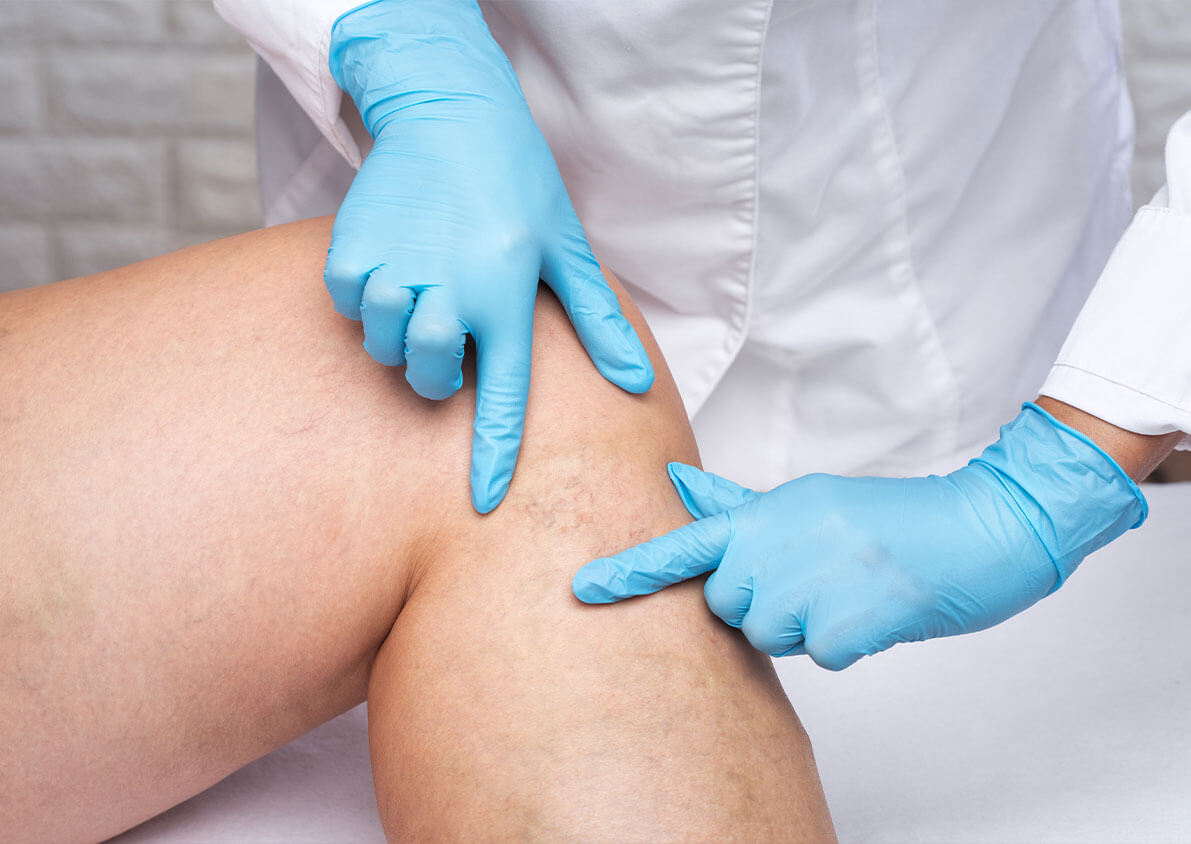
The quest for smooth, clear skin often leads individuals to explore advanced aesthetic procedures that target vascular imperfections. Visible veins, often appearing as intricate webs or prominent lines on the legs, can affect one’s confidence and clothing choices. Among the most established methods for addressing these concerns is a specialized injectable treatment designed to fade these marks from the inside out. When considering Sclerotherapy in Abu Dhabi, many people seek to understand the biological mechanisms and the procedural journey that leads to clearer skin. This guide explores the science, the process, and the expectations surrounding this popular vascular intervention.
Understanding the Mechanics of Sclerotherapy
At its core, sclerotherapy is a medical procedure used to eliminate varicose veins and spider veins. The process involves the direct injection of a solution—often a salt solution or a specialized foam—into the targeted vessel. This solution acts as a mild irritant to the lining of the blood vessel, causing it to swell and stick together.
The Biological Response to Treatment
When the “sclerosant” fluid enters the vein, it displaces the blood and targets the endothelial lining. The irritation leads to a controlled local reaction where the vessel walls undergo fibrosis. Essentially, the vein is turned into scar tissue. Because the vein can no longer carry blood, it becomes obsolete.
Natural Absorption by the Body
Once the vein has collapsed and transitioned into scar tissue, the body’s lymphatic system takes over. Over a period of several weeks or months, the immune system gradually reabsorbs the defunct tissue. The blood flow is naturally rerouted to healthier, deeper veins, improving the overall efficiency of the circulatory system in that specific area.
-
Key Points:
-
Direct injection of a sclerosant solution irritates the vein walls.
-
The vessel collapses and transforms into a harmless cord of scar tissue.
-
The body naturally reabsorbs the tissue over time.
-
Circulation is diverted to deeper, more efficient veins.
-
The Evolutionary Journey of Vein Treatments
Vascular treatments have come a long way from the invasive “vein stripping” surgeries of the past. Sclerotherapy has remained a gold standard for decades because it is minimally invasive and highly targeted. Modern advancements have introduced different types of sclerosants, including liquid and foam varieties, which allow for the treatment of veins of varying sizes and depths.
Liquid vs. Foam Sclerotherapy
Liquid solutions are typically used for smaller spider veins, as the fluid can easily travel through tiny capillaries. Foam sclerotherapy involves mixing the solution with air or another gas to create a consistency similar to shaving cream. This foam covers a larger surface area within the vein and is often used for larger, more stubborn vessels because it doesn’t dilute as quickly when it contacts blood.
Precision and Visualization
In contemporary settings, practitioners often use ultrasound guidance to visualize veins that are not easily seen on the skin’s surface. This ensures that the solution is placed with pinpoint accuracy, maximizing the effectiveness of the closure while protecting the surrounding healthy tissue.
-
Key Points:
-
The procedure has evolved from surgical stripping to minimally invasive injections.
-
Foam solutions are utilized for larger vessels to ensure better coverage.
-
Liquid solutions remain the primary choice for delicate spider veins.
-
Ultrasound technology aids in treating deeper, non-visible vascular issues.
-
Why Veins Become Visible
To appreciate how the treatment works, one must understand why veins become visible in the first place. This usually occurs due to “venous insufficiency.” Within our veins are one-way valves that prevent blood from flowing backward. When these valves weaken or fail, blood pools in the vein, causing it to stretch, bulge, and become visible through the skin.
Factors Contributing to Vascular Changes
While the underlying cause is often structural, several factors contribute to the development of these veins. Genetics play a significant role; if your parents had prominent veins, you are more likely to develop them. Long periods of standing or sitting, hormonal shifts, and the natural aging process also contribute to the weakening of the vessel walls.
The Role of Gravity
Gravity is a constant challenge for the veins in our legs, as they must pump blood upward toward the heart. Over time, the pressure from this constant upward battle can lead to the “webbing” effect seen in spider veins. Sclerotherapy addresses this by shutting down the damaged “leaky” vessels that are no longer contributing to healthy upward flow.
-
Key Points:
-
Visible veins are often caused by weakened valves and blood pooling.
-
Genetics and lifestyle habits like prolonged standing are major contributors.
-
Aging reduces the elasticity of vessel walls, making them more prone to dilation.
-
The treatment removes vessels that are no longer functioning correctly.
-
The Procedural Experience
For many, the appeal of this treatment lies in its simplicity. A typical session is relatively quick and does not require general anesthesia. This makes it a convenient option for those with busy schedules who want to address aesthetic concerns without a lengthy recovery period.
Preparation and Application
The skin is first cleaned, and the practitioner identifies the specific veins for treatment. Using a very fine needle, the sclerosant is injected into the vessels. Patients may feel a mild tingling or a slight pinching sensation, but the discomfort is generally minimal due to the thinness of the needles used.
Immediate Post-Treatment Care
After the injections, the area is typically massaged to keep blood out of the injected vessel and to spread the solution. Compression is a vital part of the success of the procedure. Wearing compression stockings helps maintain pressure on the vein walls, ensuring they stay collapsed so the scarring process can begin effectively.
-
Key Points:
-
Sessions are brief and performed with very fine needles.
-
Most individuals experience only mild, temporary sensations during injection.
-
Manual massage of the area helps distribute the solution.
-
Compression garments are used post-procedure to ensure the vein stays closed.
-
Timeline of Results
Patience is a virtue when it comes to vascular treatments. Because the process relies on the body’s natural inflammatory response and subsequent reabsorption, results are not instantaneous. The transformation happens gradually as the body “cleans up” the treated area.
Short-Term Changes
Immediately following the session, the veins may actually look more prominent or slightly discolored. This is a sign that the solution is working and the inflammatory process has begun. This is a temporary phase as the vessel transitions into scar tissue.
Long-Term Clarity
For smaller spider veins, results are usually visible within three to six weeks. Larger veins may take three to four months to fade completely. In some cases, multiple sessions may be required to achieve the desired level of clarity, depending on the number of veins being addressed and the body’s individual healing rate.
-
Key Points:
-
Initial discoloration is a normal sign of the treatment taking effect.
-
Spider veins typically fade within a month or two.
-
Larger varicose veins require a longer window for full reabsorption.
-
The body’s natural metabolic rate influences how quickly results appear.
-
Maintaining Vascular Health
While sclerotherapy is excellent for removing existing visible veins, it does not prevent new ones from forming in the future. Integrating certain habits can help maintain the results and support overall circulatory health.
The Importance of Movement
Regular physical activity, particularly walking or swimming, helps pump blood through the legs and strengthens the “calf muscle pump.” This reduces the pressure on the vein valves and can delay the onset of new spider veins.
Lifestyle Adjustments
Avoiding long periods of sitting or standing still is crucial. If your job requires you to stay in one position, taking “movement breaks” or elevating your legs at the end of the day can make a significant difference. Staying hydrated and maintaining a healthy weight also reduces the overall strain on the vascular system.
-
Key Points:
-
The treatment addresses current veins but doesn’t stop new ones from developing.
-
Walking and calf exercises support healthy blood return to the heart.
-
Leg elevation helps reduce the gravitational pressure on leg veins.
-
A healthy lifestyle preserves the aesthetic improvements over the long term.
-
Frequently Asked Questions
1. How many sessions are typically needed for clear skin?
The number of sessions varies depending on the extent of the visible veins. While some individuals see significant improvement after a single visit, most benefit from a series of two to four sessions spaced several weeks apart to ensure every small vessel is properly addressed.
2. Can I return to my daily routine immediately?
Yes, most people return to their normal activities the same day. Walking is actually encouraged post-treatment as it promotes healthy circulation. However, very strenuous heavy lifting or high-impact exercise is usually avoided for a few days to allow the treated veins to remain closed.
3. Does the procedure work on all skin types?
Sclerotherapy is effective across various skin tones and types. Because the treatment targets the vein beneath the surface of the skin rather than the pigment in the skin itself (unlike some laser treatments), it is a versatile option for a wide demographic of individuals.
4. Is the removal of these veins harmful to circulation?
Not at all. The veins treated are typically “insufficient,” meaning they aren’t doing their job correctly. By closing these damaged vessels, the body naturally redirects blood to healthier veins that have functional valves, which can actually improve the overall efficiency of your circulation.

 Kaivalyam Yoga
 Ahmad hassan