cavin smith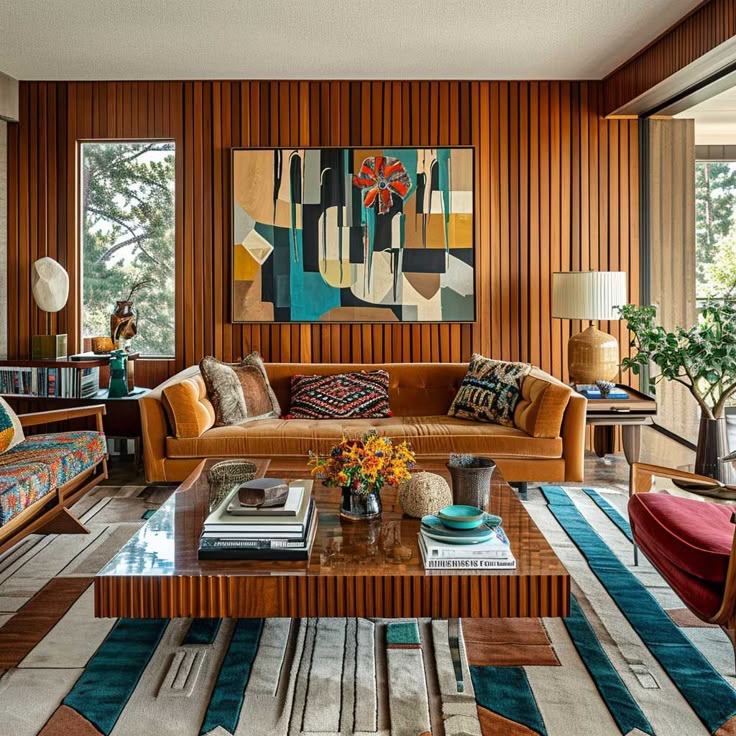
Interior design trends continue to evolve, yet some styles remain consistently relevant due to their simplicity, functionality, and aesthetic balance. One such enduring design movement is mid-century modern furniture, which continues to influence contemporary interiors with its clean lines, organic forms, and timeless appeal. This design style blends functionality with elegance, making it a popular choice for homeowners and designers seeking a minimalist yet sophisticated look.
Origins of Mid-Century Modern Design
The mid-century modern design movement emerged in the mid-20th century, primarily between the 1940s and 1960s. It was influenced by post-war optimism, technological advancement, and a desire for simplicity in everyday living. Designers focused on creating furniture that was both practical and visually appealing. This era introduced a shift away from ornate and heavy designs toward more streamlined and functional pieces. The movement emphasized accessibility, making stylish furniture available to a wider audience while maintaining high-quality craftsmanship.
Key Characteristics of the Style
Mid-century modern design is defined by several distinctive characteristics that set it apart from other interior styles. Clean lines and geometric shapes are central to its aesthetic, creating a sense of order and simplicity. Furniture pieces often feature tapered legs, smooth surfaces, and minimal ornamentation. Natural materials such as wood, leather, and metal are commonly used, reflecting a connection to nature. The color palette typically includes earthy tones, muted shades, and occasional bold accents, adding visual interest without overwhelming the space.
Materials and Craftsmanship
One of the defining aspects of mid-century modern furniture is its emphasis on quality materials and craftsmanship. Designers of this era prioritized durability and functionality, using materials that were both practical and aesthetically pleasing. Teak, walnut, and oak are commonly used woods that provide warmth and texture. Upholstery materials often include leather, wool, and linen, contributing to the overall comfort and elegance of the furniture. Metal and glass elements are also incorporated to add a modern touch and enhance structural integrity.
Functionality Meets Simplicity
Functionality is at the heart of mid-century modern design. Every piece of furniture is created with purpose and efficiency in mind. This approach eliminates unnecessary details and focuses on usability. Storage solutions are often integrated into furniture designs, making them both practical and space-saving. This balance between form and function is what makes the style so appealing in modern homes. It allows individuals to maintain a clean, organized living space without sacrificing aesthetic value.
Influence on Contemporary Interior Design
The influence of mid-century modern design can be seen in many contemporary interiors today. Designers continue to draw inspiration from its timeless principles, incorporating clean lines, natural materials, and minimalist aesthetics into modern spaces. Open floor plans, large windows, and functional layouts are all elements inspired by this design movement. Its versatility allows it to blend seamlessly with other styles, such as Scandinavian, industrial, and contemporary design, making it a popular choice for diverse interior settings.
Popular Furniture Pieces and Icons
Several iconic furniture pieces define the mid-century modern era and continue to be highly sought after today. Chairs with molded plastic or wooden shells, sleek coffee tables, and minimalist sofas are among the most recognizable designs. These pieces often combine comfort with artistic expression, making them both functional and visually striking. Many original designs from this era have become collector’s items, while modern reproductions continue to bring the style into contemporary homes.
Styling Tips for Modern Homes
Incorporating mid-century modern furniture into modern interiors requires a thoughtful approach to balance and composition. It is important to focus on simplicity and avoid overcrowding spaces with too many decorative elements. Neutral color schemes can be enhanced with bold accent pieces to create contrast and visual interest. Mixing vintage-inspired furniture with modern accessories can also help create a cohesive and stylish environment. Lighting plays a key role as well, with pendant lamps and floor lamps adding both function and aesthetic appeal.
Sustainability and Timeless Design Value
One of the reasons mid-century modern furniture remains popular is its timeless design and sustainability. High-quality materials and durable construction ensure that these pieces last for decades. This aligns with modern sustainability trends that prioritize long-lasting and eco-friendly design choices. Investing in well-crafted furniture reduces waste and promotes responsible consumption. The timeless nature of the style also means it does not go out of fashion, making it a smart long-term investment for homeowners.
Modern Adaptations and Trends
Today’s designers continue to reinterpret mid-century modern principles in innovative ways. Contemporary versions of classic furniture pieces often incorporate new materials, colors, and technologies while maintaining the original design philosophy. There is also a growing trend of blending mid-century elements with modern minimalism to create fresh and unique interiors. This fusion allows homeowners to enjoy the best of both worlds—classic elegance and modern functionality.
The Lasting Legacy of Mid-Century Design
The legacy of mid-century modern design continues to shape the world of interior design decades after its origin. Its emphasis on simplicity, functionality, and beauty has made it a timeless style that transcends trends. Designers and homeowners alike appreciate its ability to create warm, inviting, and visually balanced spaces. As interior design continues to evolve, the principles of this movement remain a foundational influence in creating thoughtful and well-designed environments.
Conclusion: A Style That Stands the Test of Time
Mid-century modern design remains one of the most influential and enduring styles in interior design history. Its focus on simplicity, functionality, and natural beauty continues to resonate with modern audiences. By blending form and function, it creates spaces that are both practical and aesthetically pleasing. Whether used in residential or commercial settings, this design style offers timeless appeal that enhances any environment. As trends come and go, mid-century modern furniture continues to stand as a symbol of elegant, purposeful, and lasting design.


 claire Adams
 Glam Indian Remy Hair